





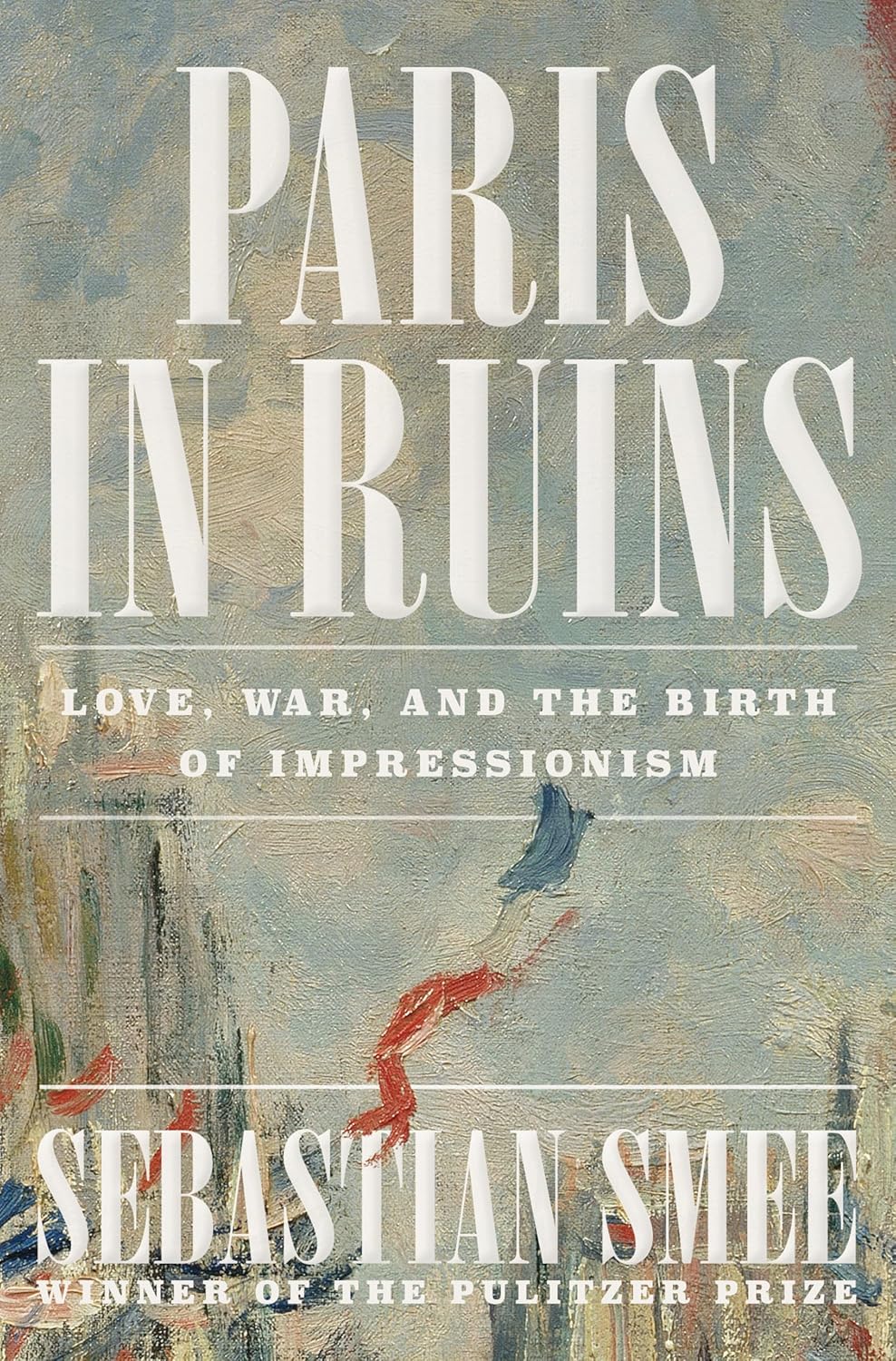
In this episode of Biographers in Conversation, the Australian Pulitzer Prize-winning art critic, Sebastian Smee, chats with Dr Gabriella Kelly-Davies about his choices while crafting Paris in Ruins: Love, War and the Birth of Impressionism.
Shortlisted: General History Prize, NSW History Awards
Paris in Ruins:
Paris in Ruins: Love, War and the Birth of Impressionism transports readers to a city under siege where war, art and an unexpected love story converge. In the midst of the 1870–71 Franco-Prussian War and the Paris Commune uprising, a time when Paris was in flames, cut off and starving, Smee portrays two painters: Edouard Manet and Berthe Morisot. These artists inspired and challenged each other, finding creative kinship while Paris crumbled around them. By connecting these personal threads with the broader historical drama, Smee shows how the terror and resilience of that terrible year seeped into art. The result is a narrative where the devastation of war and the passion of artistic creation shape one another, making history feel intensely human.
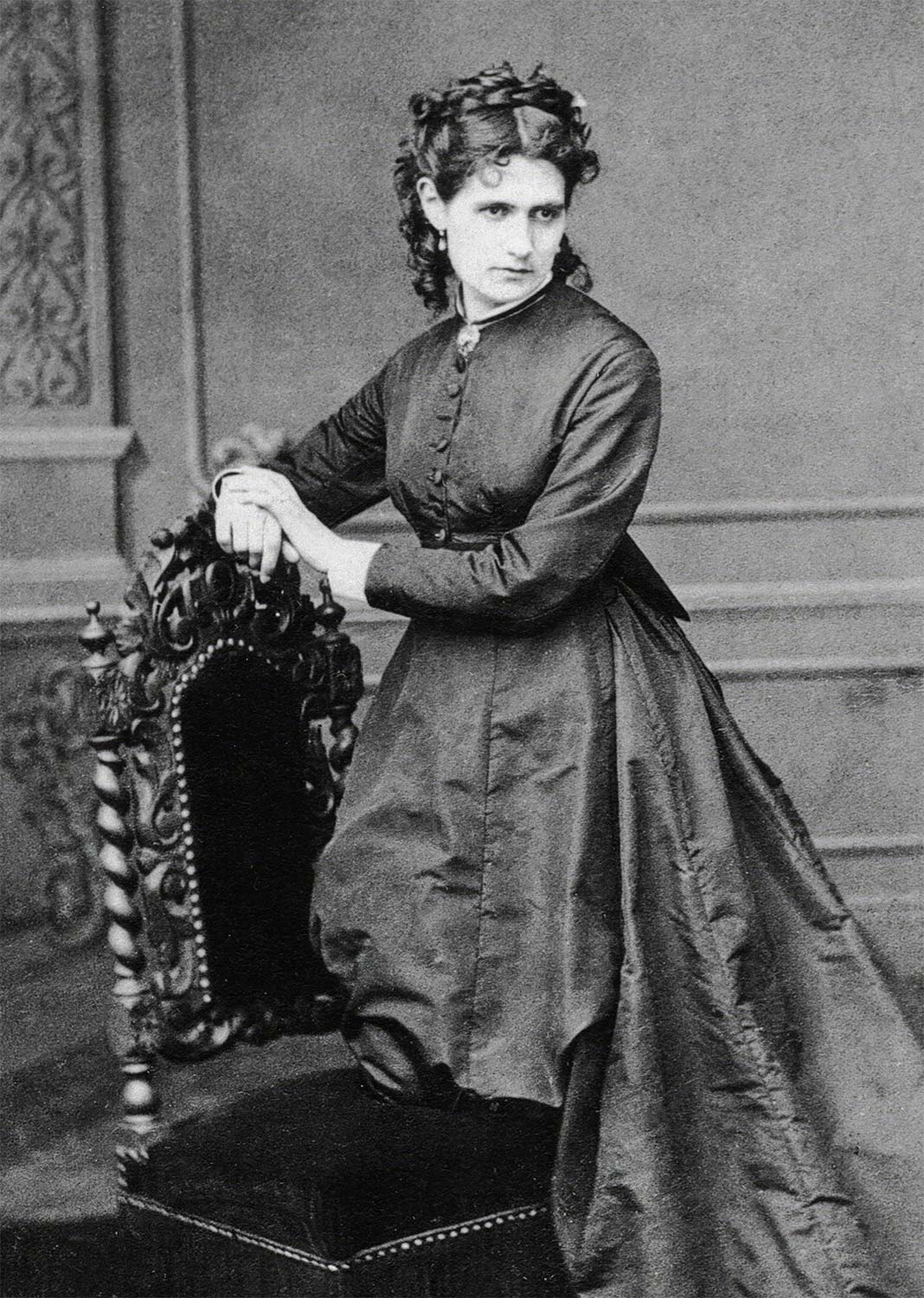
Berthe Morisot
Why Manet and Morisot Take Centre Stage
Why focus on Manet and Morisot? Manet is often hailed as the father of Impressionism, while Morisot was a trailblazing woman in the impressionist circle. Inspired by a retrospective of Morisot’s work, Smee was determined to tell her story. Manet and Morisot’s relationship, a close bond that may have bordered on romance, provided a natural emotional core for the book. Smee treats the question of whether they were lovers with nuance. He suspects chances are they probably were more than friends, but he refuses to pretend he knows the truth of their relationship. Instead, he highlights their genuine creative kinship amid crisis, allowing the emotional depth to emerge from documented interactions rather than speculation.
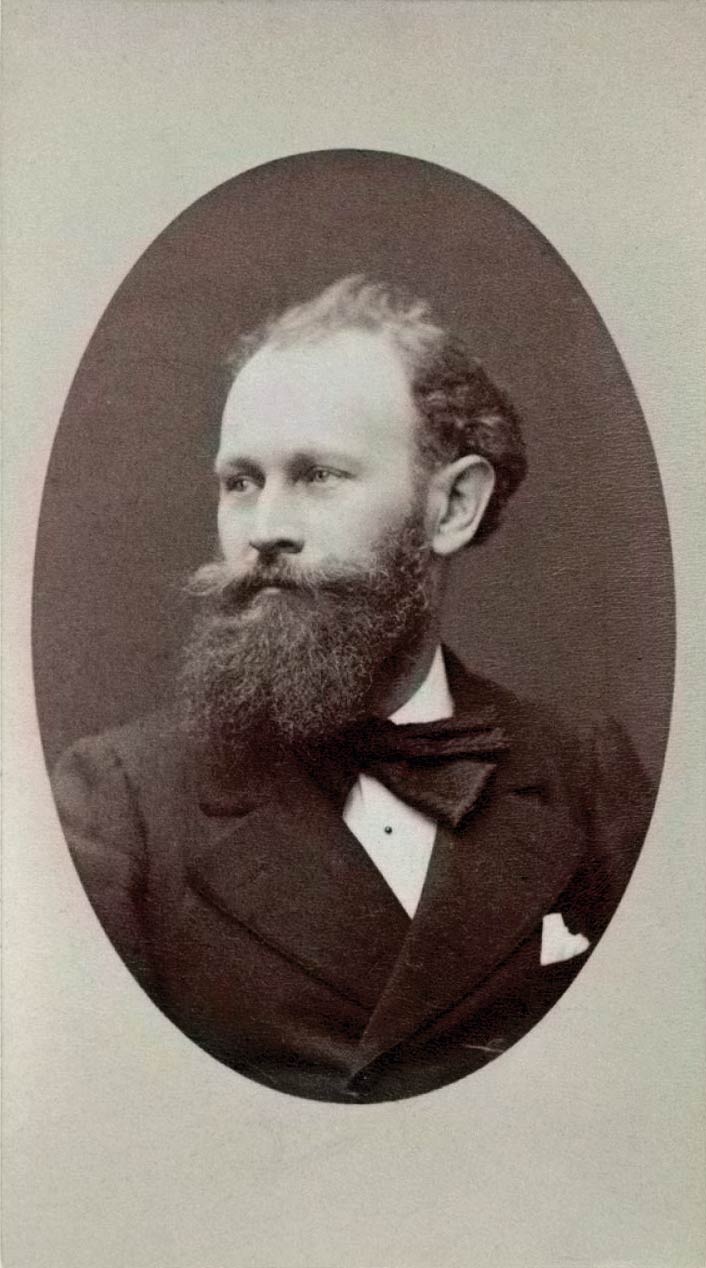
Edouard Manet
Political Upheaval and the Birth of Impressionism
A driving idea behind Paris in Ruins is that Impressionism emerged from extreme political circumstances and the rubble of a shattered city. In art history, the bloody events of 1870–71 are often glossed over, but Smee set out to bridge art and war. His research library was split evenly between art books and military history. His aim was to bring the two aspects together.
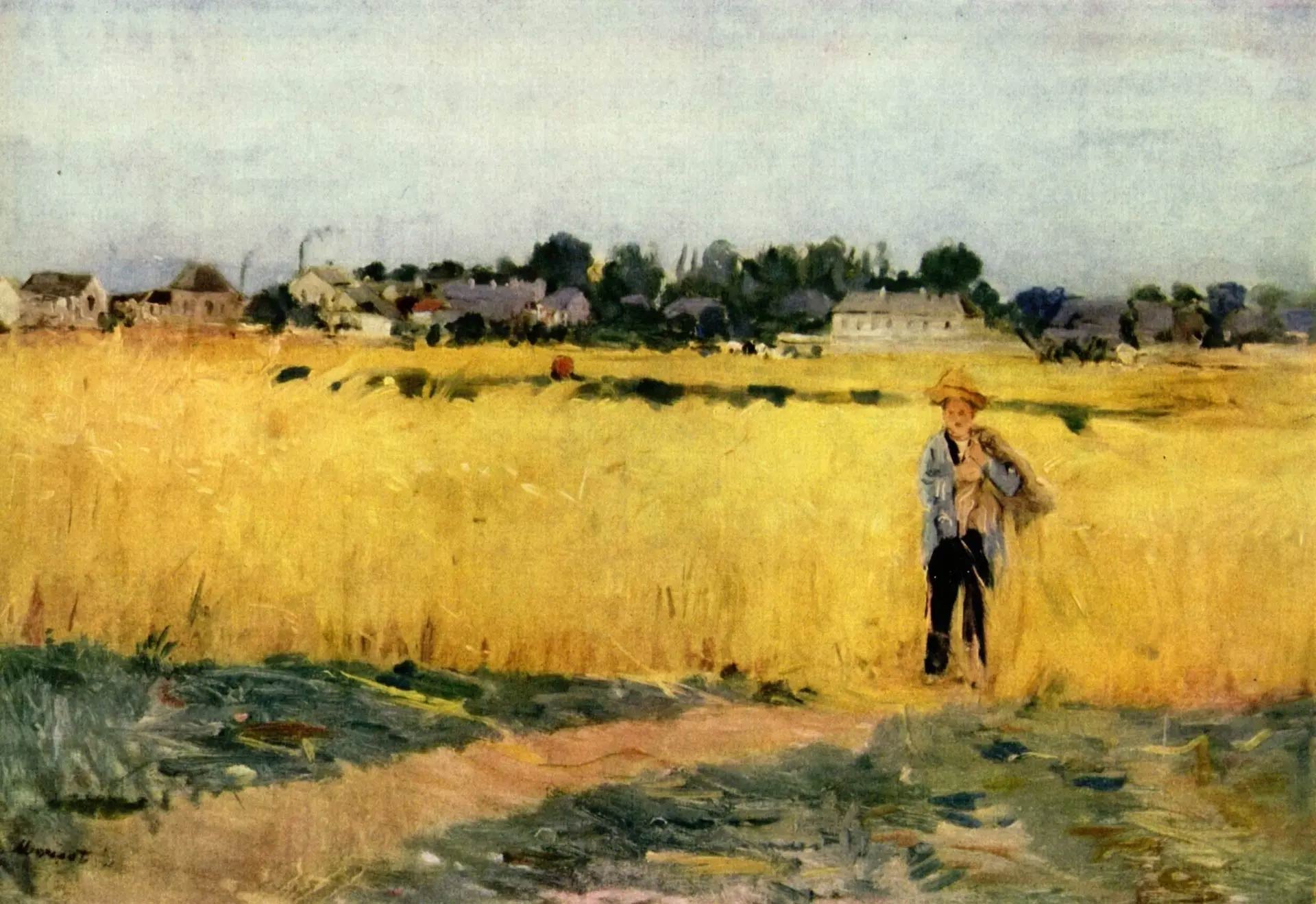
‘Grain Field’
Berthe Morisot 1875
Throughout the narrative, Smee draws subtle connections between political upheaval and artistic innovation. The Impressionists were almost all ardent republicans who longed for a more democratic France, and their approach to painting reflected an anti-authoritarian spirit. They painted fleeting everyday moments with loose, quick brushstrokes, capturing transience and fugitive effects of light.
Art in Times of Political Chaos
Paris as a Living Character
One of Smee’s most vivid creative choices was to treat the city of Paris not just as a backdrop but almost as a character in its own right, a city onto which so much human drama and emotion have been projected. He was keenly aware of how different neighbourhoods took on distinct personalities during the crisis. For example, working-class districts like Montmartre and Belleville, where people were hungry and cold under siege, became hotbeds of radicalism and revolt against the provisional government. Smee shows these quarters almost speaking through their actions, as locals launch uprisings that foreshadow the Commune.
Combining Research and Writing
By spotlighting such contrasts, Smee gives the reader a sense of Paris as a mosaic of moods and voices. The city’s streets, hills and even the winter weather influence the story like an ensemble cast, shaping events and the characters’ fortunes. This approach makes Paris feel immediate and alive on the page. You can almost smell the smoke of the ruins and hear the distant gunfire, underscoring that the city itself endured a journey from ruin to rebirth alongside the people within it.
Praise for Paris in Ruins
‘Astonishing. Heartstopping. A true story confined by two brutal years, and the walls of a great city under siege, which exults in love, courage, beauty, mischief and the mystery of human intimacy.’
Annabel Crabb
‘Deft, vibrant cultural history.’
Kirkus, starred review
‘Its psychological insights into male friendship, ambition, ego and vulnerability make it a book as rich as a multi-layered cake.’
Sydney Morning Herald on The Art of Rivalry
‘French Impressionist painting offers a vision of colour and light. And yet, there is an aspect to Impressionism that is dark, and that darkness is the preoccupation of this book. The rejection of authority of any kind as toxic was manifest in the way the Impressionists made their art. Paris in Ruins…well could change the way you think about Impressionism, and it might alter your perception of art history.’
Age
‘Smee brings events to life vividly, with remarkable energy and insight…This raucous, layered and engrossing read left me reminded of the inseparable bond between politics and art.’
Readings
‘Very beautiful book. A marvellous mélange of military history, gossip, art criticism…The lot.’
David Marr, ABC RN Late Night Live
‘Penetrating and arresting, Smee shows how the Paris Siege and the Paris Commune had an extensive effect on the history of art and how art can be inspired by disaster. For us artists and art lovers, this book is highly recommended.’
Sydney Arts Guide
‘Smee has a gimlet eye, a seductive style and a novelist’s feel for character and incident…Deeply researched and suavely written…An inspiring book.’
The New York Times
‘Vibrant and incisive…Superb, scalp-tingling narration…Find[s] the luminosity at the movement’s heart and brilliantly [amplifies] it on the page.’
LA Times
‘A wide-ranging work of cultural history.’
Wall Street Journal
‘A story of staggering complexity and import…We have what may ultimately be regarded as [Smee’s] magnum opus, a work of art history that goes far beyond that remit…A fascinating story.’
InReview
‘Brilliant…Art and politics constantly collide in Smee’s pulsating narrative…Smee has a rare talent for painting word-pictures, notably in his superb descriptions of the salons, and a keen eye for revealing details…This is first-rate historical writing.’
Australian Book Review
Paris in Ruins Reviews and Interviews
3MP: Great Australian Lives
ABC Radio National: Late Night Live
Another Mother Runner: 2024 Winter Reading
ArcaMax
Archyde
Art Newspaper
Article
Arts Canvas
ArtsHub: 12 spring – summer art book releases
ArtsHub
Australian
Australian Book Review
Australian Policy and History
Australian Writers’ Centre podcast: So You Want to be a Writer (from 0:16:50)
Author2Author podcast
Author Magazine
Chat10Looks3
Christian Science Monitor
Cultured Magazine
Daily Kos: Nonfiction Views: Two weeks’ worth of notable new nonfiction
GLAM Adelaide
Harvard Crimson: Sebastian Smee’s Impressions on Impressionism: Boston Book Festival Art History Keynote
InReview
Inside Story
John Batchelor Show
Kirkus Reviews
Kirkus Reviews podcast
L.A. Times
Lavender Magazine
Literary Review
Lonely Palette podcast
Monthly podcast
New York Times
NZ Booklovers
Observer (US): Last-Minute Literary Gifts for the Art Lover On Your List
Otago Daily Times
Readings
Simply Luxurious Life: This & That
Sydney Arts Guide
Sydney Morning Herald
Telegraph
World Today News: 12 Must-Read Art Books for the Holidays
Writer’s Bone: Friday Morning Coffee

Photo Credit: Amber Davis Tourlentes
Born in 1972 in Adelaide, Sebastian Smee is now a Pulitzer Prize-winning art critic at the Washington Post. He has written widely about art, and is the author of The Art of Rivalry: Four Friendships, Betrayals, and Breakthroughs in Modern Art. He lives in Boston.