





In this latest episode of Biographers in Conversation, acclaimed historian Julie Summers chats with Dr Gabriella Kelly-Davies about her narrative choices while crafting British Vogue: The Biography of an Icon.
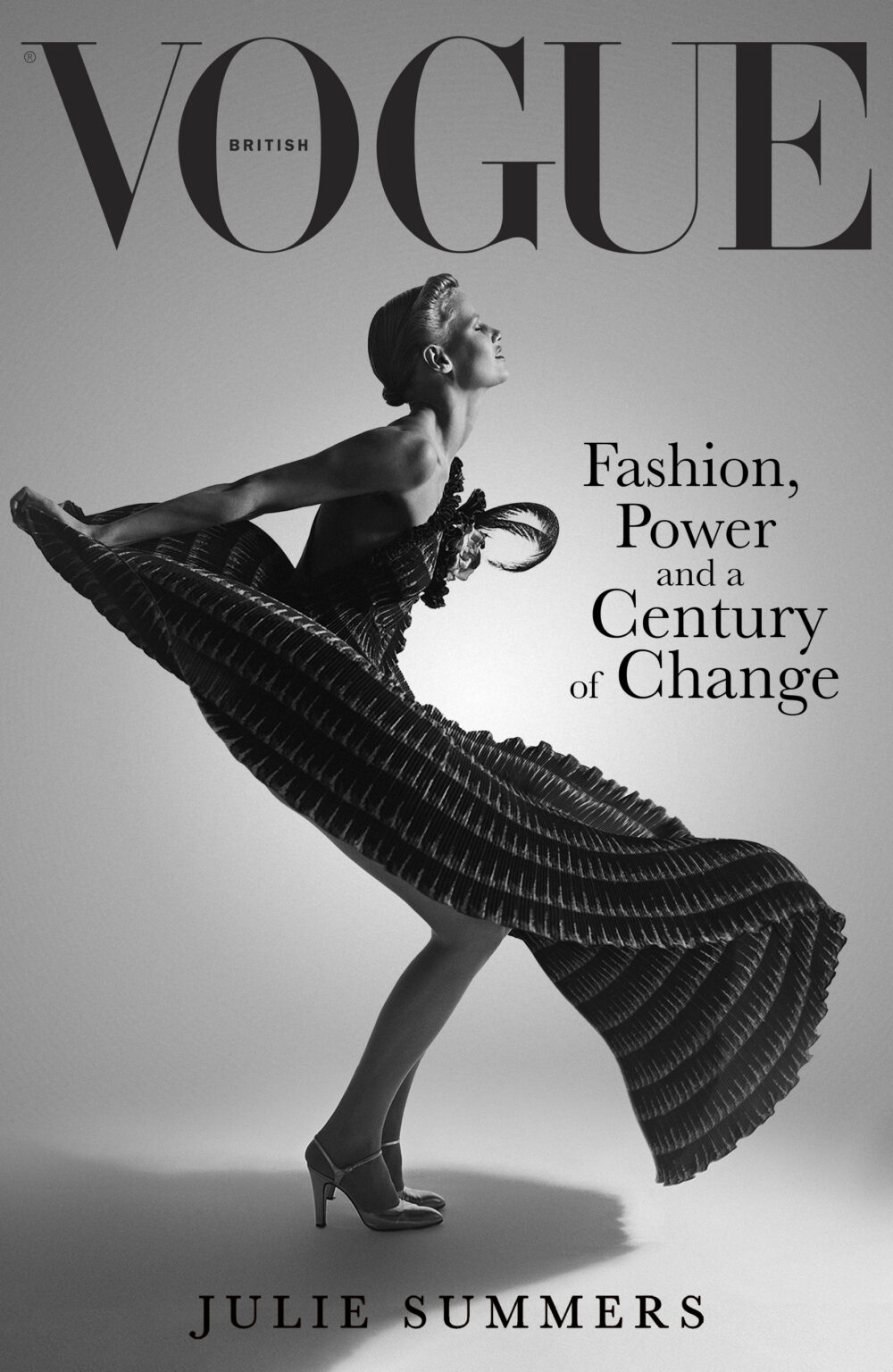
British Vogue
British Vogue is an object biography of one of the world’s most influential fashion magazines. Julie Summers portrays Vogue as a vibrant personality that has shaped British culture for over a century.
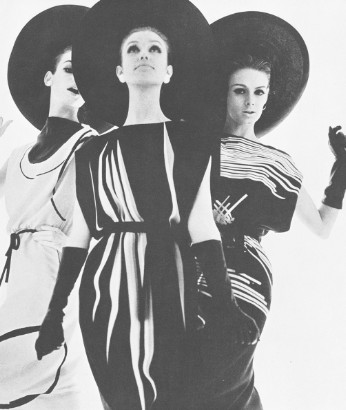
Jean Shrimpton was the face of British modelling in the early 1960s
Exhaustive Research
Julie Summers approached this ambitious project with extraordinary rigour, reading every issue of British Vogue chronologically from its wartime launch in September 1916 through to 2024. This immersive methodology proved essential. ‘Every magazine is a little book in its own right’, Julie said, ‘but it looks over its shoulder at the last issue, and it looks forward to the next issue’.
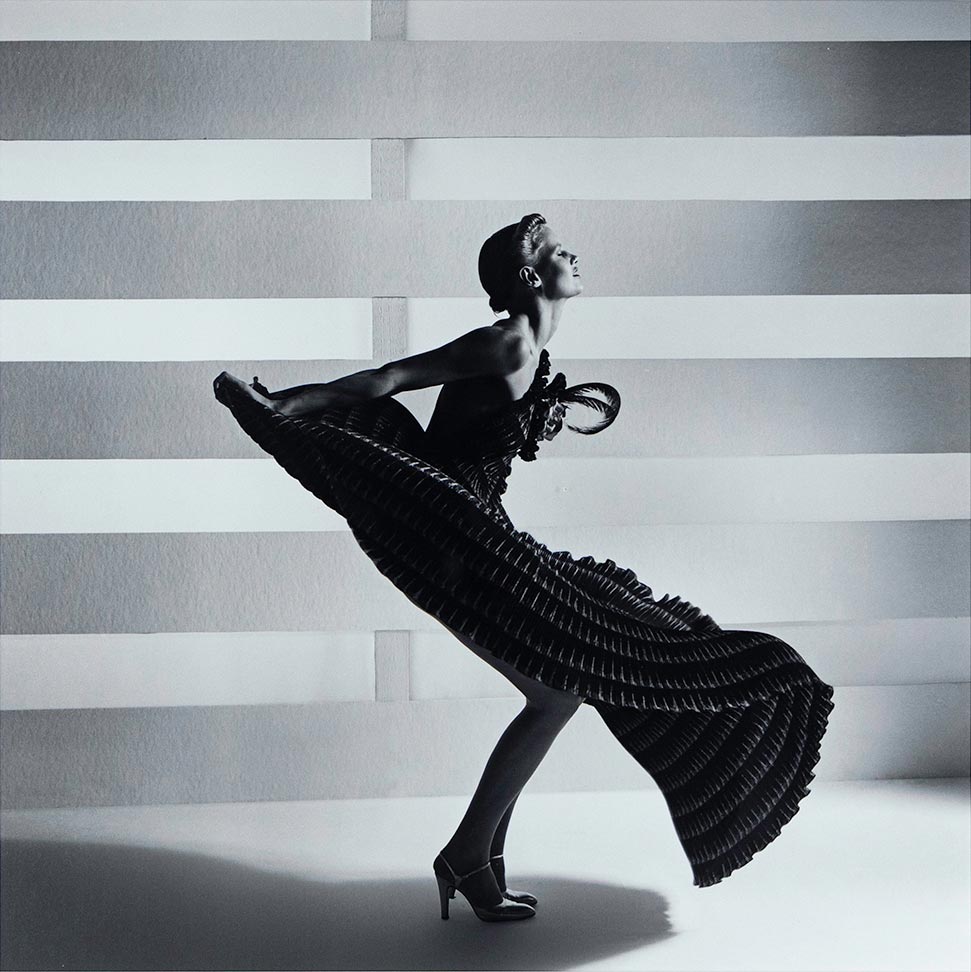
A John Bates dress photographed by Willie Christie for ‘Hit Looks’
To manage the overwhelming volume of material Julie assembled—70 million words across more than a century—she created an extensive Excel database documenting every article, contributor and theme. This meticulous cataloguing enabled Julie to track patterns and select the most compelling stories while preventing the biography from becoming a tome.
The research extended far beyond each edition of British Vogue. Julie conducted 42 interviews with people connected to the magazine. They ranged from her oldest interviewee who started working at Vogue in 1946, to former editors like Alexandra Schulman and legendary stylist Grace Coddington.
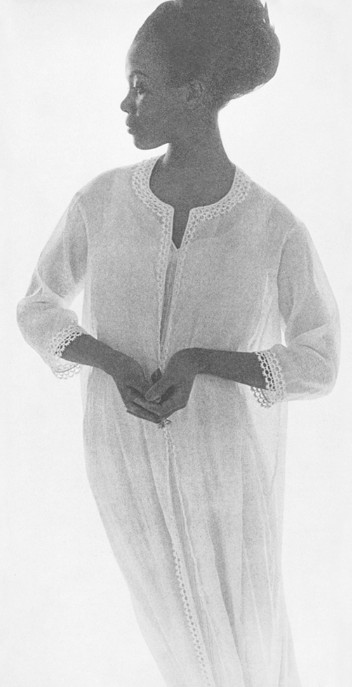
Anthea August by Peter Rand (1963)
Gaps in the Historical Record
During her research, Julie faced significant archival challenges: wartime editor Audrey Withers had destroyed the magazine’s paper archive in 1942 as part of the government’s war effort, leaving only a single 1933 report by Condé Nast as historical documentation. This gap forced Summers to rely heavily on the magazines themselves and contemporaneous writings by Vogue contributors.
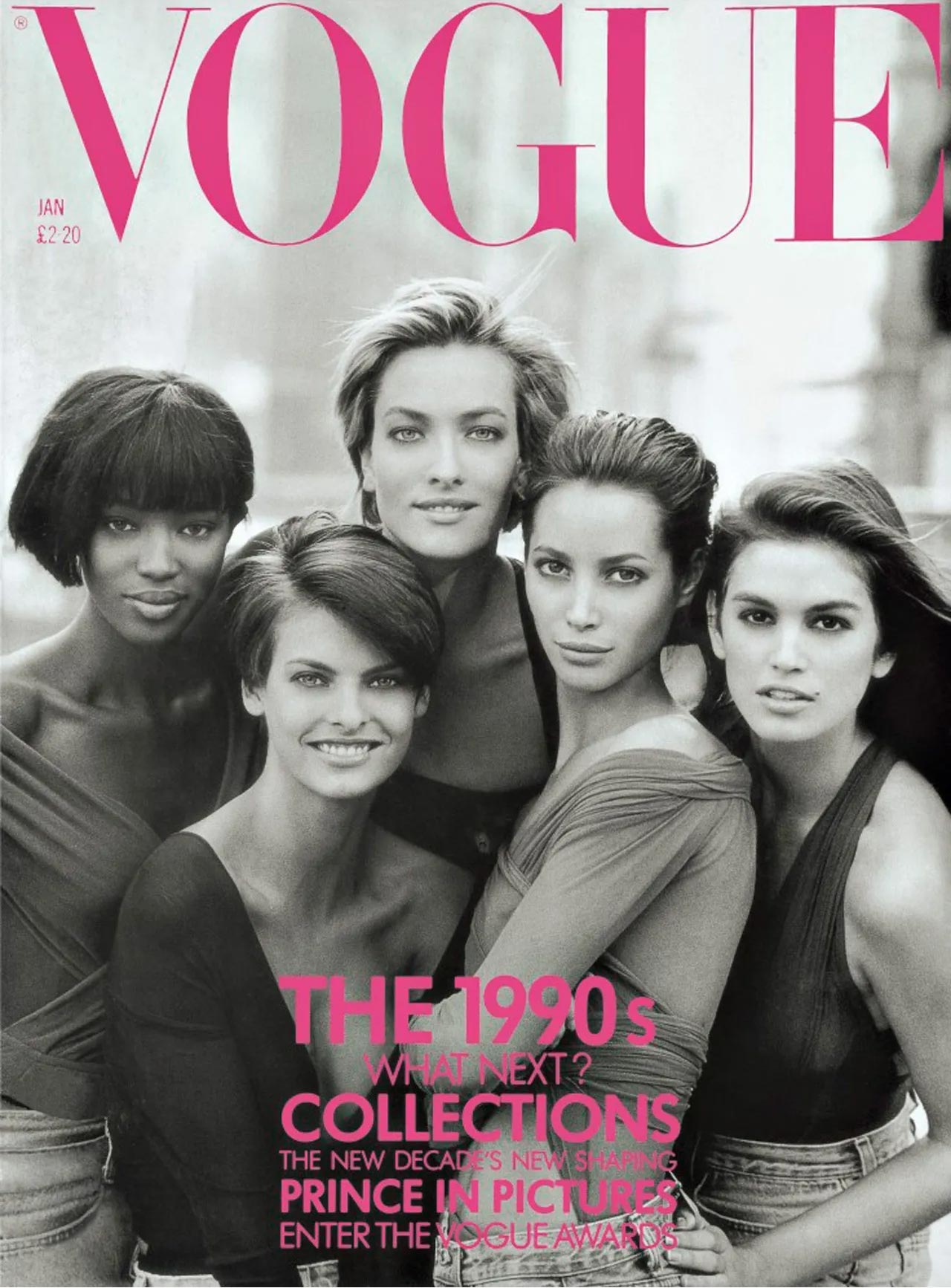
Peter Lindbergh’s iconic cover, commissioned by Liz Tilberis
Throughout her research and writing, Julie maintained an unwavering commitment to factual accuracy. She meticulously fact-checked claims and memories against primary sources and corrected popular myths. This dedication to truth reflects what Julie views as a fundamental contract with the reader, particularly important in an era of misinformation and fake news.
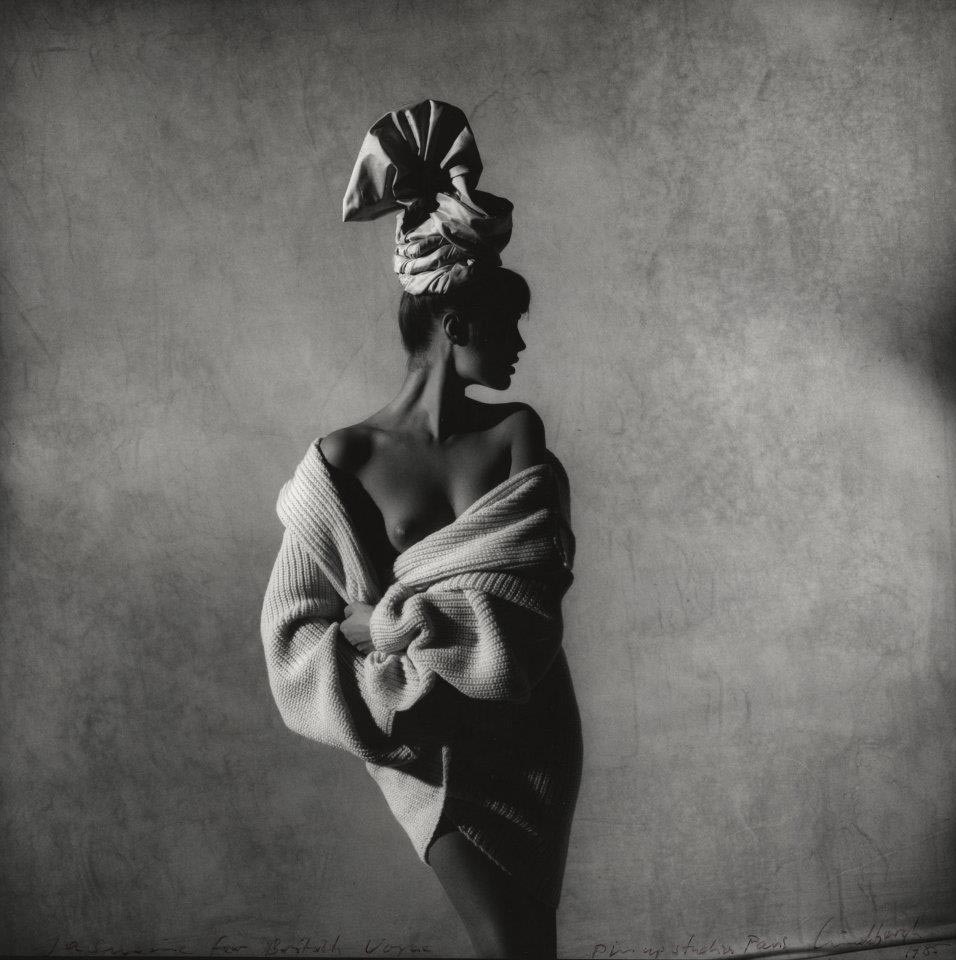
‘Liberal Woollies designed by Joseph Tricot’, photographed by Peter Lindbergh, 1985
British Vogue: A Barometer of Social Change
British Vogue’s chronological structure emerged organically from Julie’s research process, enabling her to chart how the magazine served as a barometer of social change through Britain’s tumultuous 20th century.
From featuring the first black model in 1963 to confronting difficult topics like AIDS and abortion, British Vogue reflected and occasionally led cultural transformations. Julie’s thoughtful choices in researching and writing this biography demonstrate how object biographies can be just as revealing as traditional life stories, illuminating not just a magazine’s history but the evolving values, aspirations and anxieties of British society itself.
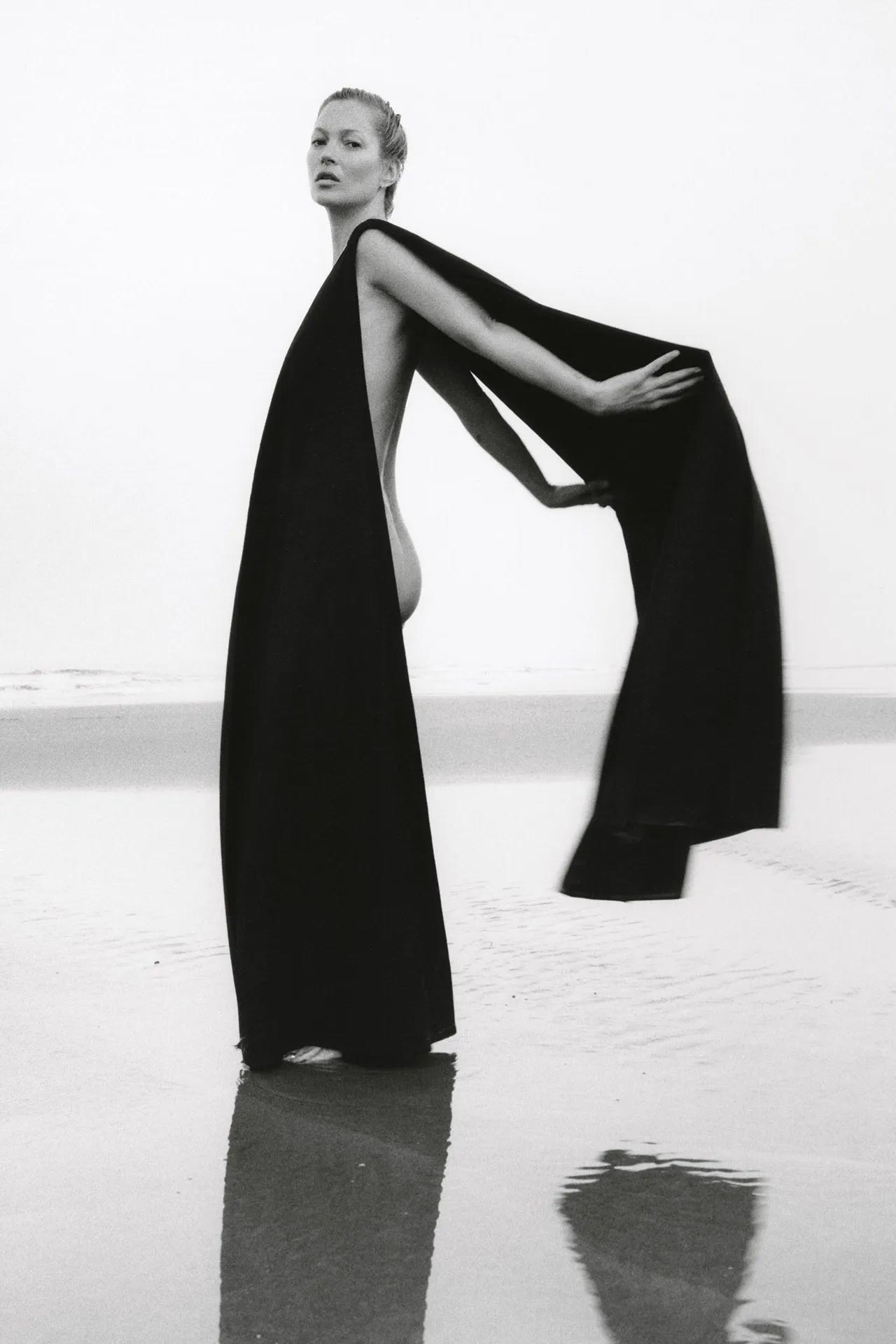
‘Forever Kate’ by Jamie Hawkesworth, 2019
Praise for British Vogue: The Biography of an Icon
A history of 20th century fashion, culture and civilization in one glorious book.
Sunday Independent
An impeccably researched biography ... always changing and always fascinating.
Alexandra Shulman, former editor of British Vogue 1992-2017
A fascinating book. Impressively researched, full of new insights, and a joy to read.
Josephine Ross, author
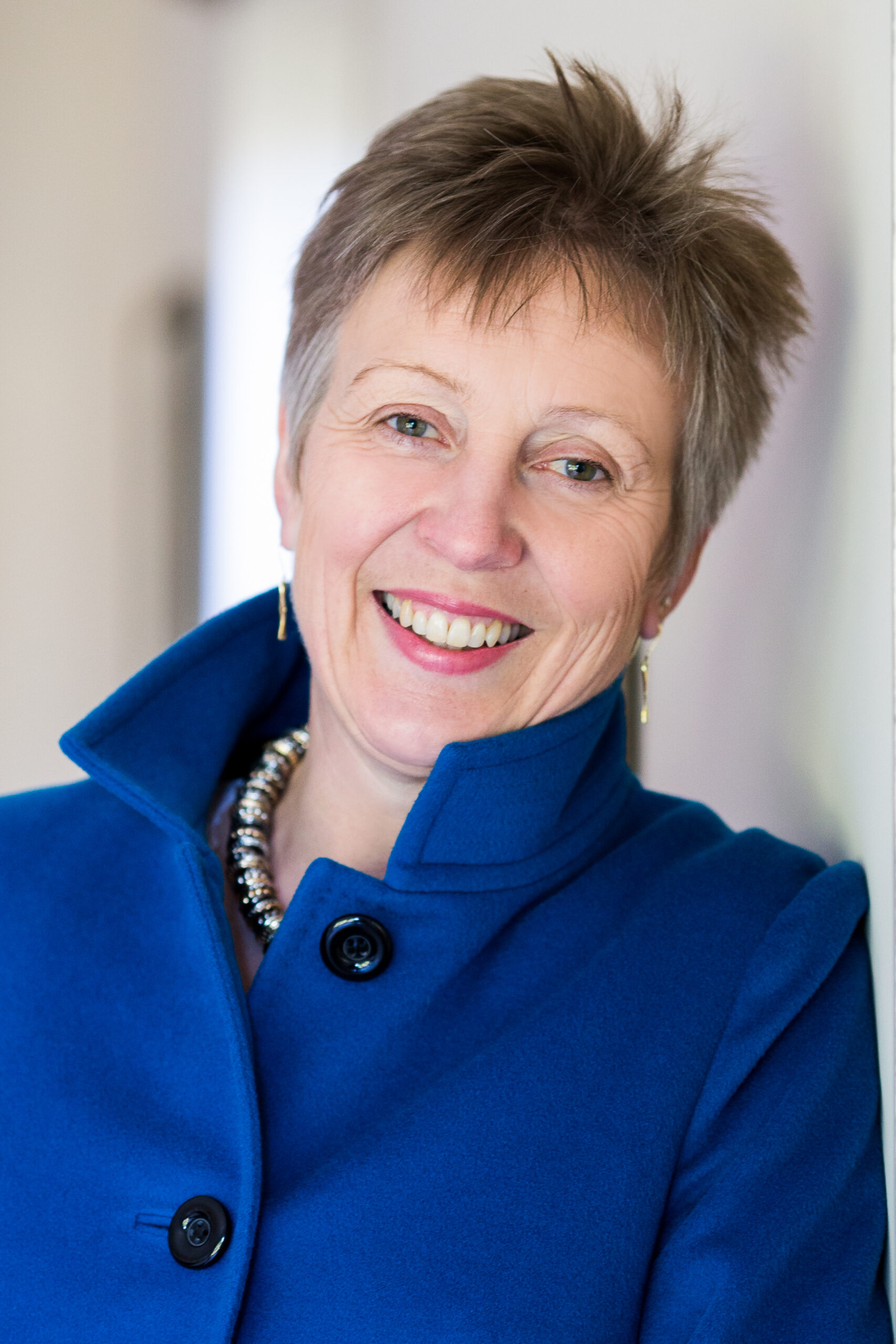
Julie Summers
Julie Summers is the author of 14 works of non-fiction including Fashion on the Ration and Dressed for War, the biography of the wartime editor of Vogue. Born and brought up in the Northwest, she studied at Bristol University and the Courtauld Institute of Art. From 1984, she worked at the Royal Academy of Arts and the Henry Moore Foundation as a curator and became head of exhibitions at the Ashmolean Museum in Oxford before becoming a full-time writer.
To hear Julie Summers’s description of how she portrayed British Vogue as a famous fashion magazine with a vibrant personality, listen now to this episode of Biographers in Conversation.