





In this episode of Biographers in Conversation, Frances Wilson, one of Britain’s most acclaimed biographers and literary critics, chats with me about Electric Spark: The Enigma of Muriel Spark.
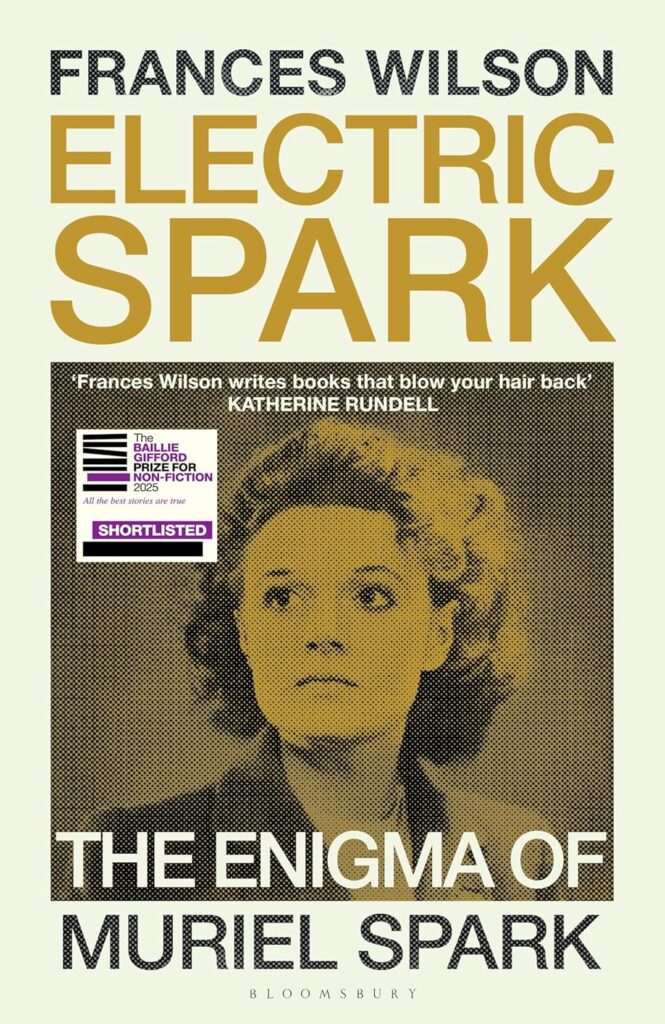
Shortlisted: The Baillie Gifford Prize 2025
Book of the Year: The Times/Sunday Times, Guardian, Telegraph, TLS, Financial Times, Economist, New Statesman, London Standard, New York Times, and Washington Post
Electric Spark
Muriel Spark remains one of the most enigmatic novelists of the twentieth century. Often described as ‘puzzling’, her fiction deals in word games, tricks and ciphers. While Spark is celebrated for her acute observations, wit, electrifying energy and ability to transmit joy on every page, her day-to-day life is troubled and shrouded in mystery.
Frances Wilson views Muriel Spark’s mind as a puzzle to crack. Following the clues, riddles and instructions Spark planted for posterity in her seventy-five ‘rare’ interviews, biographies, fiction, autobiography and archives, Frances has crafted a masterful biography.
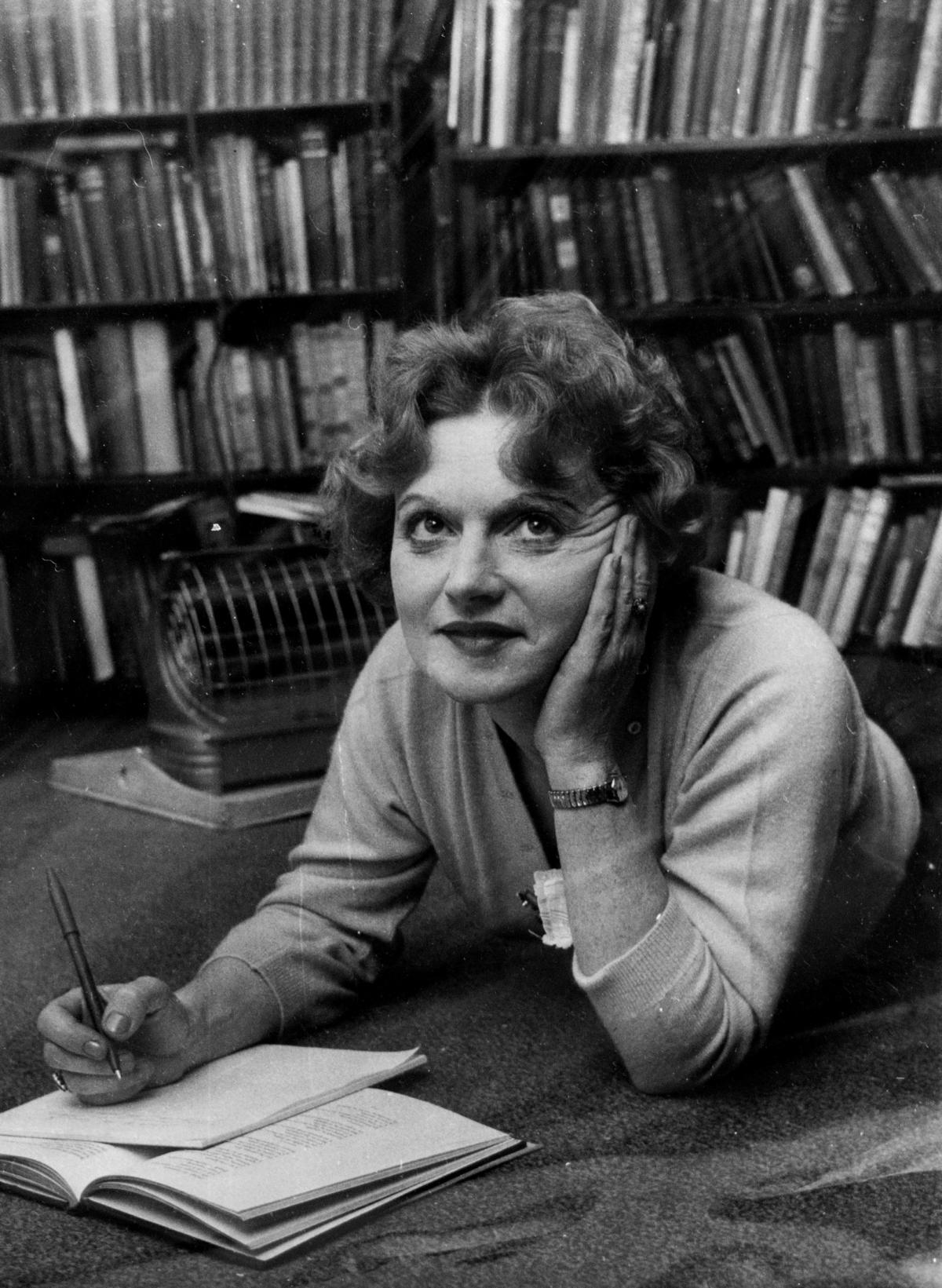
Muriel Spark, 1960.
In Electric Spark, Frances sets out to unravel the turbulent period of Spark’s first thirty-nine years, when as a young divorcee in post-war London, she ‘sent feathers flying’. Spark’s experiences from these early years became the material of her art. At the age of forty, she published her first novel, The Comforters. From then on, she published a novel every year, though sometimes she produced two books in the same year.
Frances’s central question was why did someone who felt so destined to write take so long to find her voice? The answer lay in those first forty turbulent years, which provided the raw material Spark would alchemically reduce into fiction.
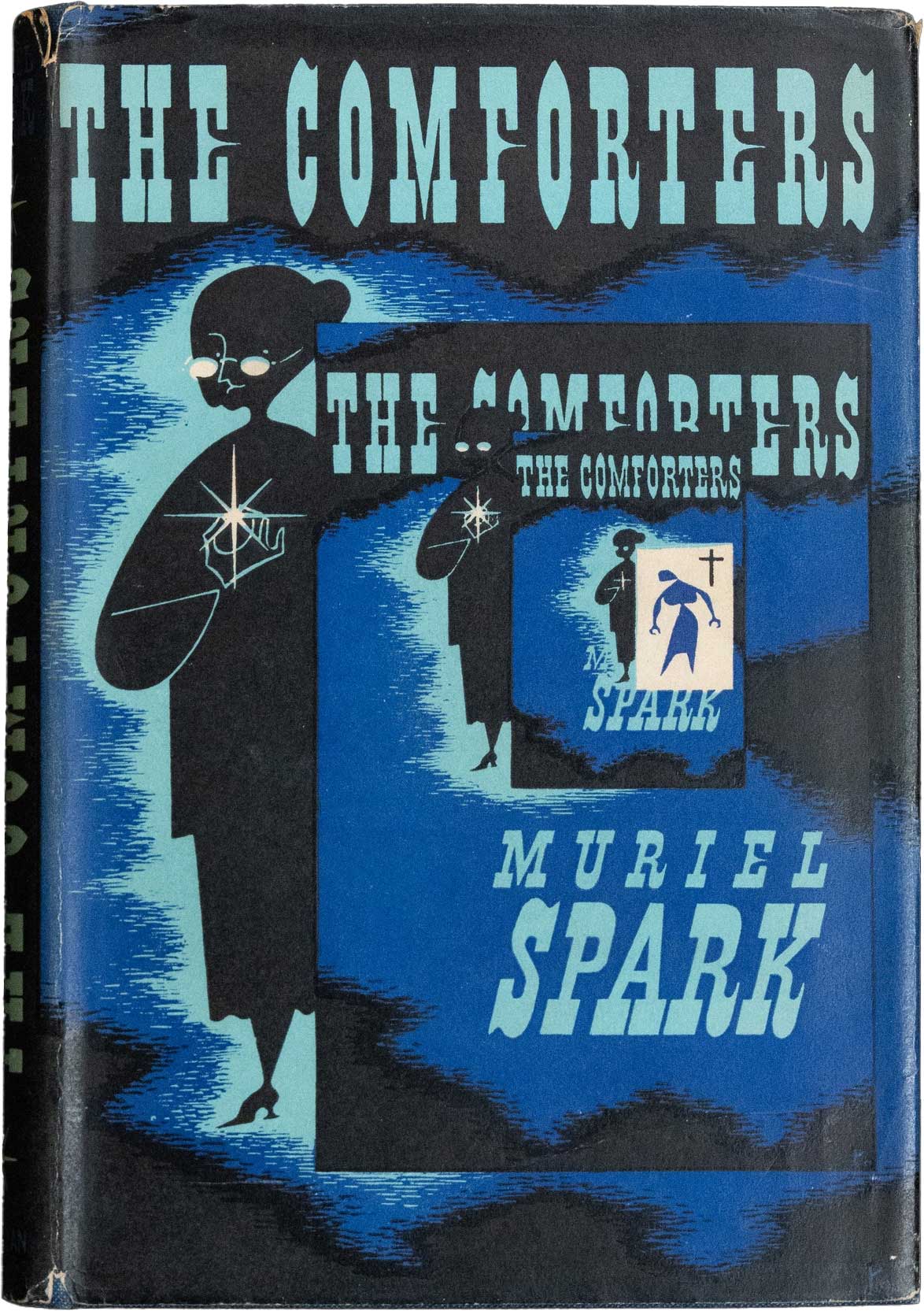
The Comforters, Muriel Spark’s first novel, 1957.
Frances’s two years of intensive research uncovered astonishing clues. Spark was a pathological hoarder who kept everything. She painstakingly curated her archive, always keeping one step ahead of her biographers. These sources revealed a complex, mystifying woman poles apart from her cold, witty fictional personas.
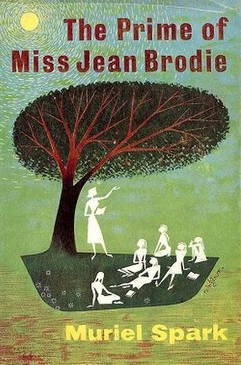
First edition cover of The Prime of Miss Jean Brodie, 1960.
Spark planted puzzles throughout her work for future biographers. In her supposedly ‘factual’ autobiography, Curriculum Vitae, she described a doppelgänger named Nita McEwen, who looked identical to her and whose husband murdered her in a guest house near Victoria Falls. Frances searched exhaustively for Nita McEwan in birth records, death certificates and newspaper archives in Zimbabwe and Scotland. However, this investigation proved fruitless, prompting Frances to posit that Nita McEwen did not exist.
Unravelling Muriel Spark’s Puzzles
Like Spark, Frances loves shapes and patterns in writing, so she hunted for leads. In a goosebump-producing moment, she discovered the anagram: ‘Twin Menace’, which is exactly what a doppelgänger represents.
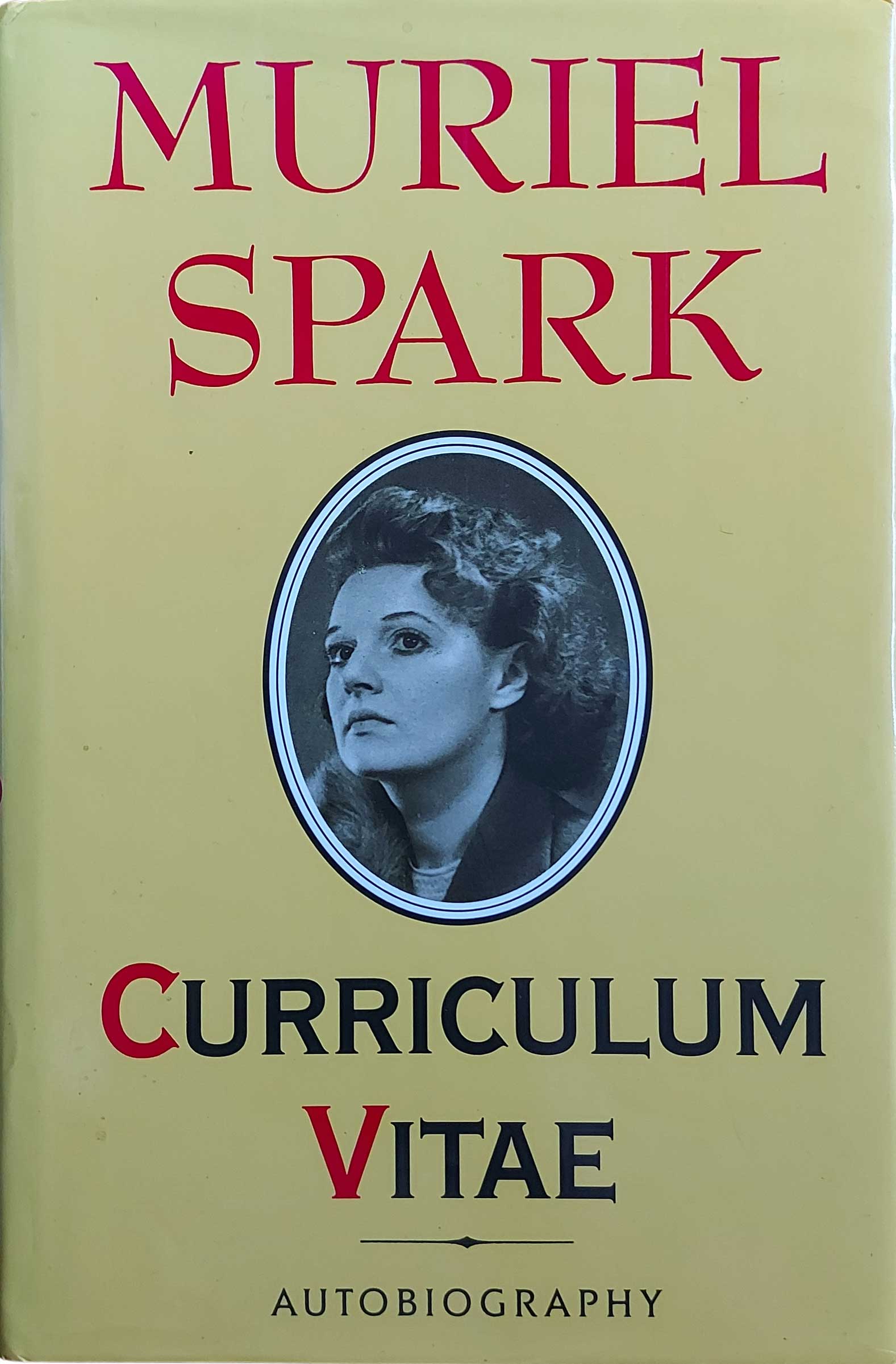
First edition cover of Curriculum Vitae, 1992.
Frances crafted Electric Spark ‘in a trance’ over a four-month sprint. Tuning into ‘voices in the air’, she sensed Spark’s hand controlling hers in the same headlong rush Spark had described while drafting novels. Weird things happened to Wilson during this dash, just as strange events were a frequent occurrence in Spark’s life.
‘Reading Between the Lines’
Electric Spark is structured around Spark’s beloved ‘Ballad of the Four Marys’, the ladies-in-waiting to Mary, Queen of Scots. Spark had her own four Marys: Mary Stewart herself, Mary Shelley (whose biography Spark wrote), Mary Stranger (Spark’s nom de plume) and Mary Stokes (who taught her to hoard).
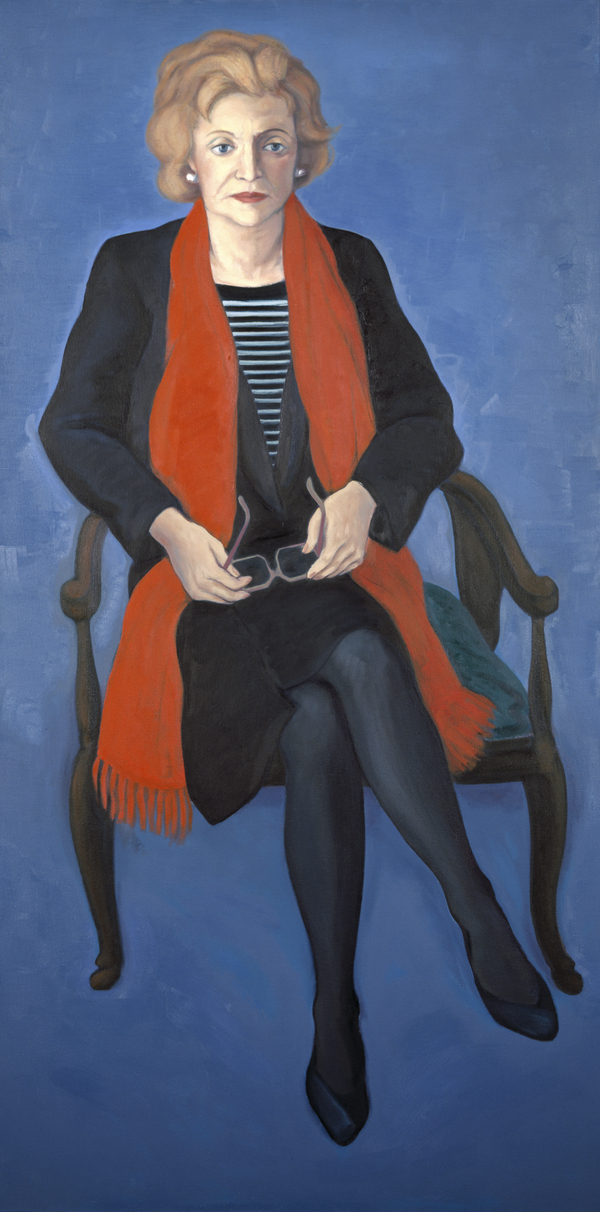
Dame Muriel Spark, 1984.
Artist: Alexander Moffat.
Frances Wilson titled the biography’s preface ‘The End’, revealing in the opening paragraphs that it would end where it began, with Spark’s decision to choose her own biographer: Martin Stannard. Frances reads this as Spark’s ultimate game, an attempt to control her ending by handpicking who would tell her story. However, it went catastrophically wrong, souring Spark’s final years. Fascinatingly, Frances believes it was never a naïve decision. Instead, it was Spark’s final puzzle, her exploration of the biographer-as-blackmailer theme that obsessed her fiction.
Praise for Electric Spark
‘Absolutely mesmerising. I was possessed by this book in the same way that I suspect its author was possessed by Spark. It still hasn’t put me down.’
Spectator
‘Unputdownable’, Financial Times
‘Joyously, brilliantly intelligent. In Wilson, Spark has met her true match.’
Anne Enright
‘Wilson has done far more than string the facts together. She has created a strange and vivid portrait of one of the most curious of twentieth-century novelists.’
Henry Oliver, The Common Reader
A Snapshot of Frances Wilson’s interviews
A new biography of Muriel Spark, BBC Radio 3, Front Row.
Frances Wilson: Electric Spark – The Enigma of Muriel Spark,
The Book Club (Spectator).
Frances Wilson: T.S. Eliot is Stealing My Baked Beans,
The Common Reader.
A Spark of Literary Genius,
Back of the Book Podcast.

Frances Wilson is a critic, journalist and the author of seven works of non-fiction: Literary Seductions: Compulsive Writers and Diverted Readers, The Courtesan’s Revenge: Harriette Wilson, The Woman Who Blackmailed the King, The Ballad of Dorothy Wordsworth, which won the British Academy Rose Mary Crawshay Prize, How to Survive the Titanic, or The Sinking of J. Bruce Ismay, which won the Elizabeth Longford Prize for Historical Biography; Guilty Thing: A Life of Thomas de Quincey, which was a finalist for the National Book Critics Circle Award and the Los Angeles Times Book Prize and was longlisted for the Baillie Gifford Prize; and Burning Man: The Ascent of D.H. Lawrence, which won the Plutarch Award, was shortlisted for the Duff Cooper Prize and the James Tait Black Award and was longlisted for the Baillie Gifford Prize.