





In this episode of Biographers in Conversation, the journalist, editor and author Dr Deborah FitzGerald chats with Dr Gabriella Kelly-Davies about her choices while crafting Her Sunburnt Country: The Extraordinary Literary Life of Dorothea Mackellar.
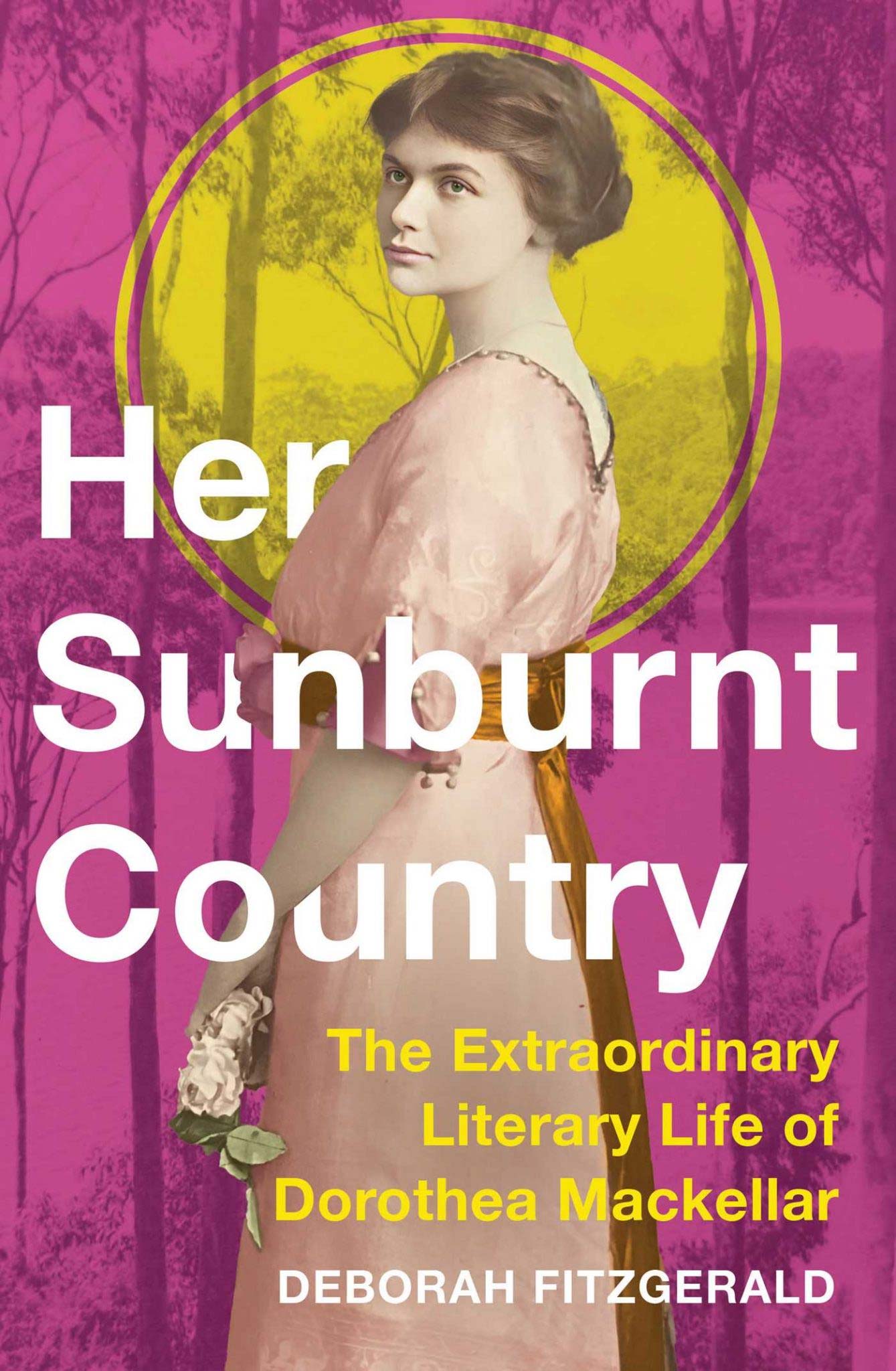
Her Sunburnt Country
Dorothea Mackellar’s poem, ‘My Country’, is widely known in Australia, especially its second stanza, which begins: ‘I love a sunburnt country / A land of sweeping plains / Of ragged mountain ranges / Of droughts and flooding rains.’ Paradoxically, the poet herself was nearly forgotten, despite Mackellar’s enduring fame.
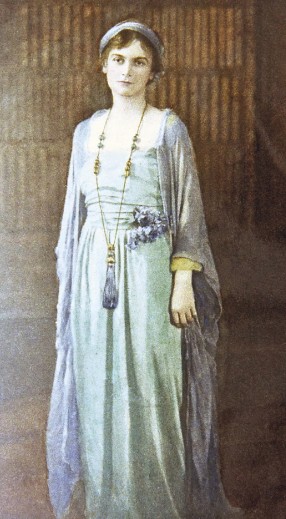
Dorothea Mackellar, 1905.
This invisibility astonished Deborah FitzGerald, compelling her to craft Her Sunburnt Country. She set out to illuminate Dorothea’s life story alongside the legacy of ‘My Country’. She even devoted a chapter to ‘My Country’ itself, treating the poem’s story as inseparable from that of its author.
In Her Sunburnt Country, FitzGerald reveals Dorothea’s extraordinary life beyond the poem. A respected member of Australia’s literary community in the 20th century, Dorothea lived on her own terms, sustaining a decades-long writing career. Remarkably, she carved out her place in a male-dominated bush poetry scene led by Banjo Paterson and Henry Lawson.
The Woman Behind ‘My Country’
Dorothea kept detailed diaries in her youth that gave FitzGerald insight into her world. Once older, she stopped writing in her diary, leaving frustrating silences. She even encrypted some diary pages with a code to conceal her most personal feelings. Nevertheless, through surviving diaries, letters and clippings, Fitzgerald pieced together a complex portrait of the poet.
Crafting vivid narrative for Her Sunburnt Country
FitzGerald made careful narrative choices to bring Dorothea’s story to life. She opened in 1899 with a scene in which 14-year-old Dorothea is at her family’s farm desperately awaiting rain. When relief finally comes after a protracted drought, Dorothea runs out into the fields and dances, a joyous image drawn from her diary.
Dispelling the Myths behind ‘My Country’
FitzGerald had considered other openings, such as Mackellar’s later adventures in London, but ultimately, she found the rain dance episode best anchored the narrative in the landscape and emotion of Mackellar’s famous poem.
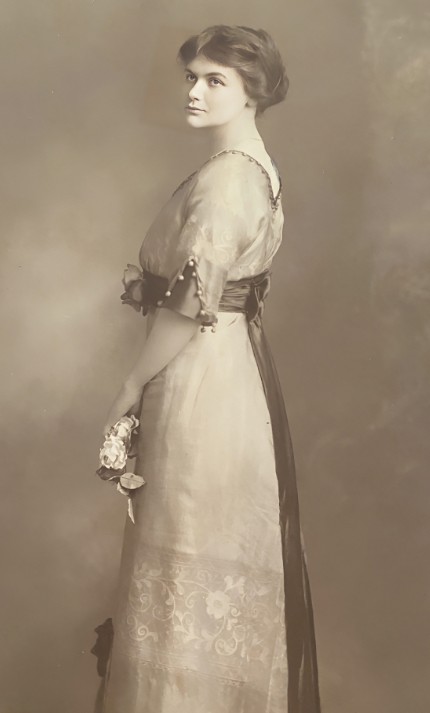
Dorothea Mackellar, 1920.
Throughout the biography, FitzGerald balances factual detail with imaginative flair. She relies on Dorothea’s own words and documented facts yet isn’t afraid to subtly recreate scenes for narrative colour, always a balancing act to avoid straying into fiction. Fittingly, she ends Her Sunburnt Country on a poetic note by quoting one of Mackellar’s later sea-themed verses, evoking the siren call of the sea that finally beckons her, a graceful, haunting farewell.
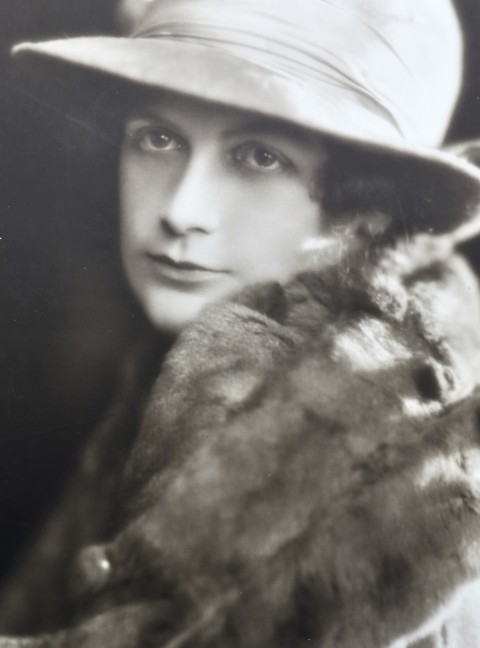
Dorothea Mackellar, 1925.
By beginning with drought and ending with the sea, FitzGerald bookends Mackellar’s life with the elemental forces that defined her work, leaving readers with a lasting impression of the poet’s spirit and a renewed appreciation of her place in Australia’s literary heritage.
Praise for Her Sunburnt Country
FitzGerald has emerged with an objective and illuminating portrait of the privileged, contradictory and occasionally very unhappy life of Mackellar, as well as her legacy.
— Paul Daley, The Guardian
This is an engaging tale of a national icon.
— Steven Carroll, Sydney Morning Herald
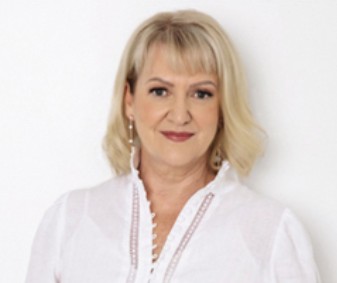
Deborah FitzGerald is a senior journalist, editor and writer who has worked across all media platforms including print, radio, television and digital. She has worked for major media organisations including the Australian Broadcasting Corporation, Channel Nine and News Corp in roles including editor, chief of staff, producer and political journalist.
Deborah was Highly Commended in the Graham Perkin Award for the Australian Journalist of the Year for outstanding coverage of the Ash Wednesday bushfires in Victoria.
She won a Varuna/Harper Collins Manuscript Development Award in 2006 for her manuscript The White Butterfly.
Her short story ‘The Anniversary’ was published in the 2011 University of Technology Sydney (UTS) anthology The Life You Chose and that Chose You and subsequently the Best Australian Stories 2011 anthology edited by Cate Kennedy. She completed a Master of Arts in Creative Writing at UTS in the same year.
Deborah FitzGerald has a Doctor of Arts from the University of Sydney after completing her thesis, ‘In Search of Dorothea: A biography of Australian poet Dorothea Mackellar’ which is the basis for her new book.
During the course of the doctorate, she won the Dame Leonie Kramer Prize in Australian Poetry 2021 and the Thomas Henry Coulson Scholarship 2019. She also won the Abbie Clancy Award 2021 from The Society of Women Writers NSW for her abstract ‘Dorothea Mackellar: Whose Country?’ This follows the publication of Sophie’s Boys, the life story of her friend Sophie Smith which was published in 2018 by Affirm Press.
2 Comments
Wonderful! I loved the idea of ambiguity at the heart of Mackellar’s inner life – her beauty and her terror indeed! Thank you.
Absolutely! She was an intriguing woman Jo.