





In this episode of Biographers in Conversation, celebrated conductor, musicologist and author Dr Paul Kildea chats with Dr Gabriella Kelly-Davies about his choices while researching and writing Chopin’s Piano: A Journey through Romanticism.
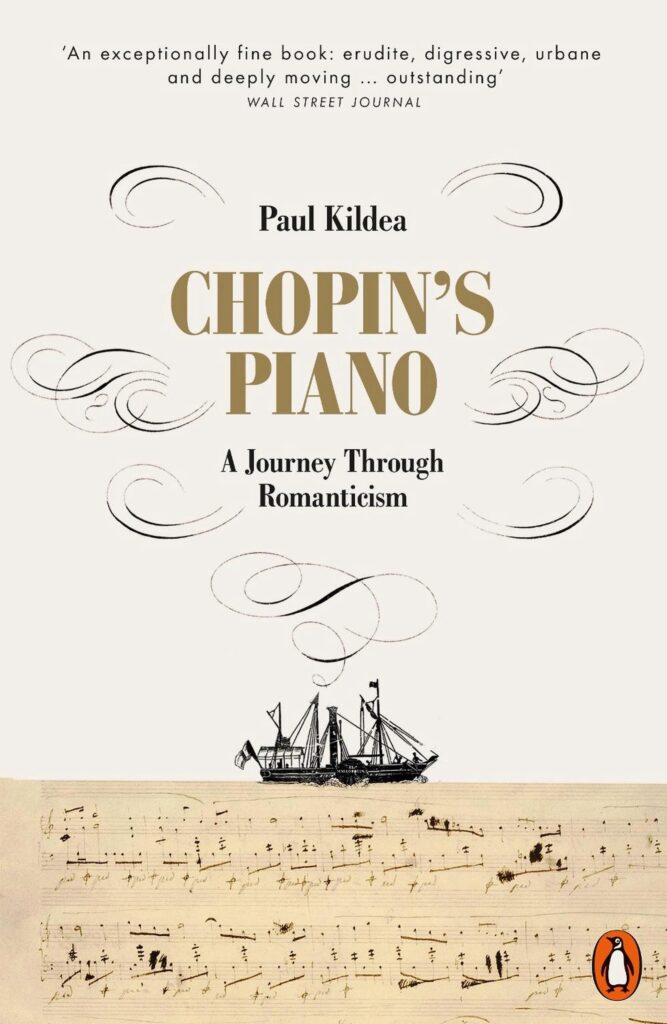
Chopin’s Piano
Paul Kildea’s journey began with a question: in the wake of extensive research on Nazi-looted art in Vienna, why did no-one seem to remember the fate of musical instruments lost in the same upheaval? This curiosity led him to a remarkable 1838 piano, crafted by a little-known artisan in Palma, Majorca, on which Chopin composed several of his beloved 24 Preludes while surviving a harsh winter with the formidable author, George Sand.
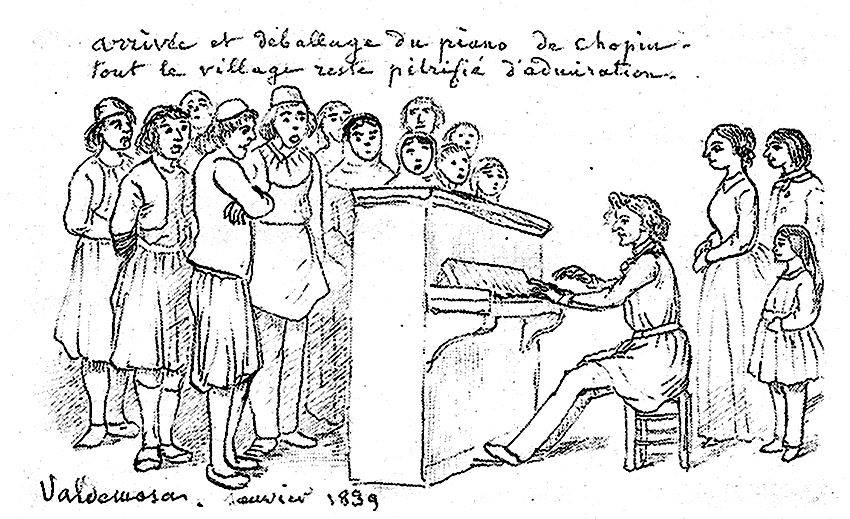
Through painstaking detective work and archival treasure hunts that spanned Europe and the United States, Kildea follows the adventurous trajectory of the instrument, including its mysterious disappearance after being seized by the Nazis from the Paris home of famed harpsichordist Wanda Landowska during WWII.
A Visual, Sensual Narrative
Chopin’s piano was no mere backdrop to genius. With its light, intimate sound, it shaped the way Chopin composed and performed, in turn changing how future generations would experience his music.
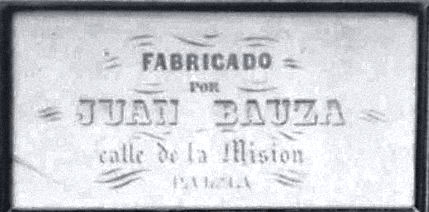
The artisan’s label on Chopin’s Piano
Paul Kildea’s object biography shines with evocative description, bringing to life the world of 19th-century piano making, salons filled with improvisation and the feverish artistic struggle documented in George Sand’s vivid letters. The piano’s journey mirrors the transformation of the music industry, the rise and fall of concert culture and the ever-evolving meanings attached to Romantic masterpieces as they traverse centuries and continents.
A Biographer as Truthteller
In Chopin’s Piano, Kildea masterfully weaves together biographies of Chopin, Landowska and the piano in a narrative structure inspired by Chopin’s Preludes: two books of twelve, forming a dynamic whole.
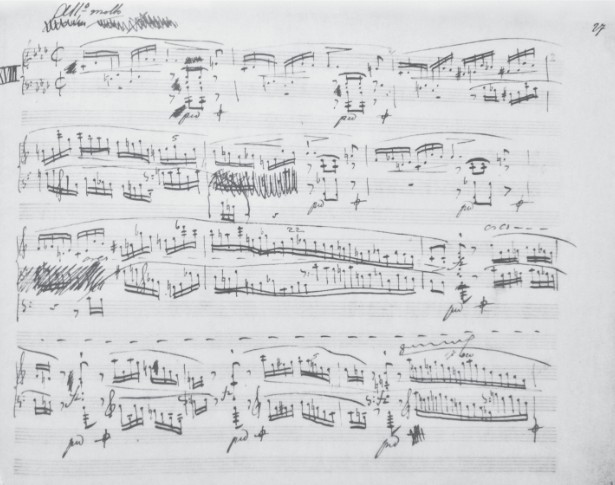
Opening page of Chopin’s Preludes
Alongside history and musicology, Kildea explores the threads that continue to tie us to the past, from archival discoveries to modern-day performances on authentic instruments. With warmth and psychological acuity, he reflects on the biographer’s calling: to get as close as possible, to be truthful, and to let the music speak again across the years.
Chopin’s Piano: A Journey through Romanticism is more than a music biography. It is a testament to the enduring voice of creativity and a thrilling detective tale for lovers of art, history and the irresistible power of stories told through music.
Praise for Chopin’s Piano
A wonderful book about music, musicians, cultural similarities and differences, the blood and gore of revolutionary times and the compensations of high art. Kildea writes with elegance and wit, and displays the kind of scholarship that does not come from simply mugging up on a few books. ... A book that will, amongst other things, send the reader back with fresh ears to the delightful, tormented Pole, and hear the music he composed on a borrowed piano in a monastery cell in Mallorca one terrible winter
Michael Henderson, The Times
Chopin’s Piano takes the motif of this piano - "Out of date before it was completed"; its maker Juan Bauza unknown and possibly an amateur - and uses it to tie together various narrative strands in an original, constantly interesting format. As it does it tells the story of Chopin's work, the development of piano making, and how music became inextricably linked to atrocities in the 20th century.
Jonathan McAloon, Financial Times
An episodic, picaresque tale, woven confidently - at times even pacily - by Kildea. He writes knowledgeably and approachably about music and sympathetically about his cast of characters. It is the story of an obsession, but it manages not to feel obsessional. ... I enjoyed it very much.
Alan Rusbridger, Spectator
An exceptionally fine book: erudite, digressive, urbane and deeply moving . . . outstanding.
Wall Street Journal

Photo Credit: Karen Kasmauski
Paul Kildea has served as Artistic Director of Musica Viva Australia since 2019. A writer and musician, Paul holds a doctorate from Oxford University, as well as honours and masters degrees in piano performance and musicology from The University of Melbourne, where he is now an Honorary Principal Fellow. A former Young Artist at Opera Australia, Kildea has conducted operas and orchestras throughout Europe and Australia, specialising in the music of Benjamin Britten. Between 1999 and 2003, he was Head of Music at the Aldeburgh Festival, which Britten co-founded in 1948.
Kildea’s books include Selling Britten and Britten on Music. In January 2013, Penguin published Benjamin Britten: A Life in the Twentieth Century to enormous critical acclaim; it is now widely recognised as the pre-eminent book on its subject, the Financial Times calling it ‘unquestionably the music book of the year.’ In 2018, Penguin published Chopin’s Piano: A Journey through Romanticism.
Before joining Musica Viva Australia, Paul served as Artistic Director of Wigmore Hall, London, and of the Four Winds Festival in Barragga Bay, New South Wales.