





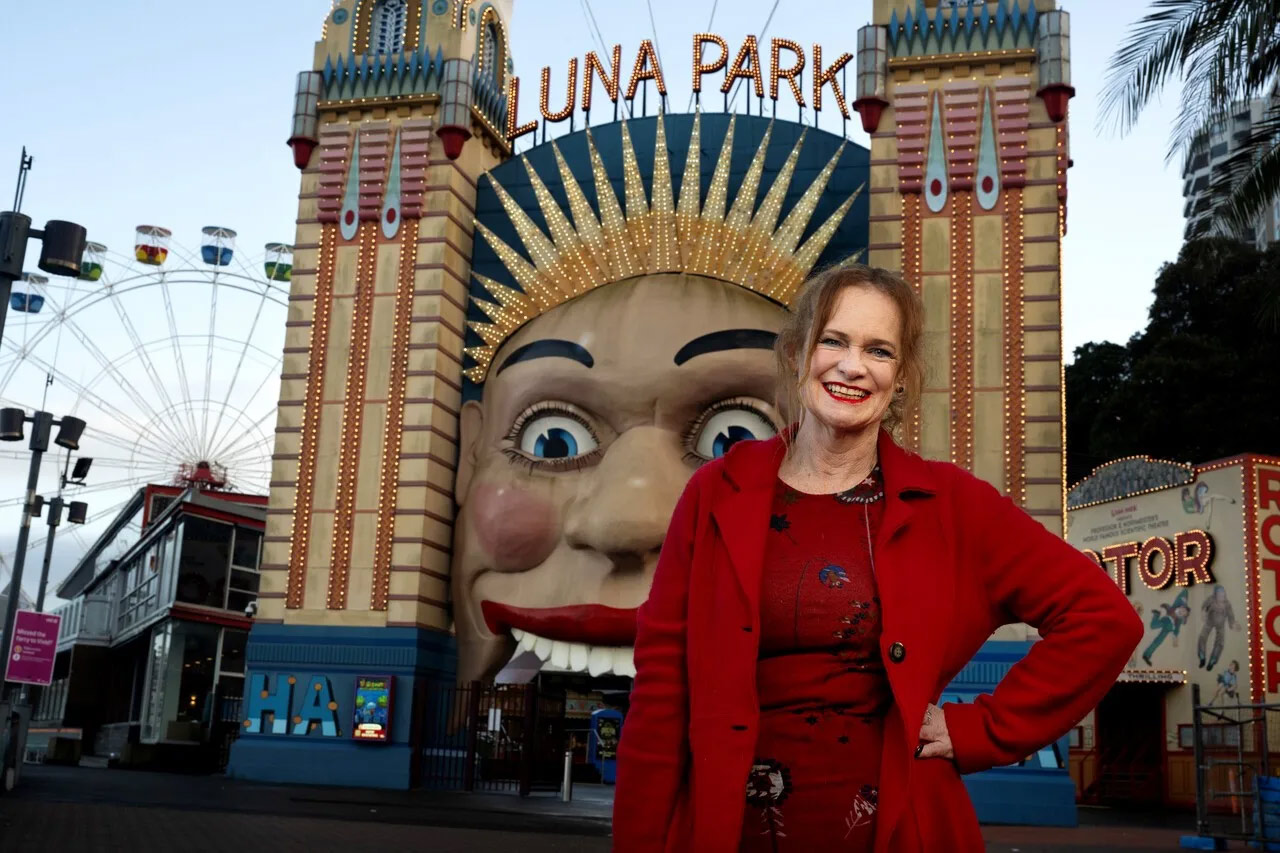
Sydney Opera House is Australia’s most iconic building. Sydney’s other much-loved icon is Luna Park. For nine decades, its toothy smile has been inviting us to step inside, promising laughter, thrills and a whiff of danger. Yet the construction of both places was plagued by controversy, scandals, professional rivalry and destroyed lives.
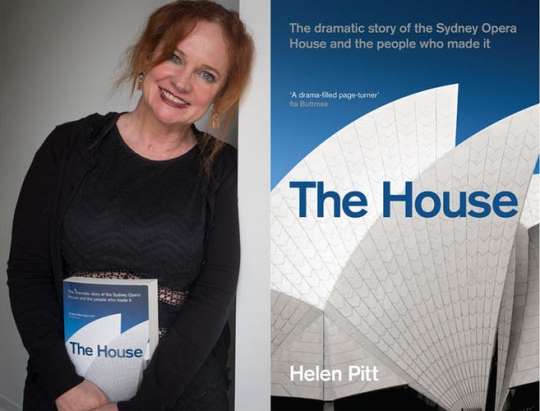
In this episode of Biographers in Conversation, award-winning journalist and author Helen Pitt chats with Dr Gabriella Kelly-Davies about her choices while crafting life stories of these two quintessential landmarks: the Walkley Book Award-winning The House, about Sydney Opera House, and her newly released Luna Park: The extraordinary story of the showmen, shysters and schemers who built Sydney’s famous fun park.
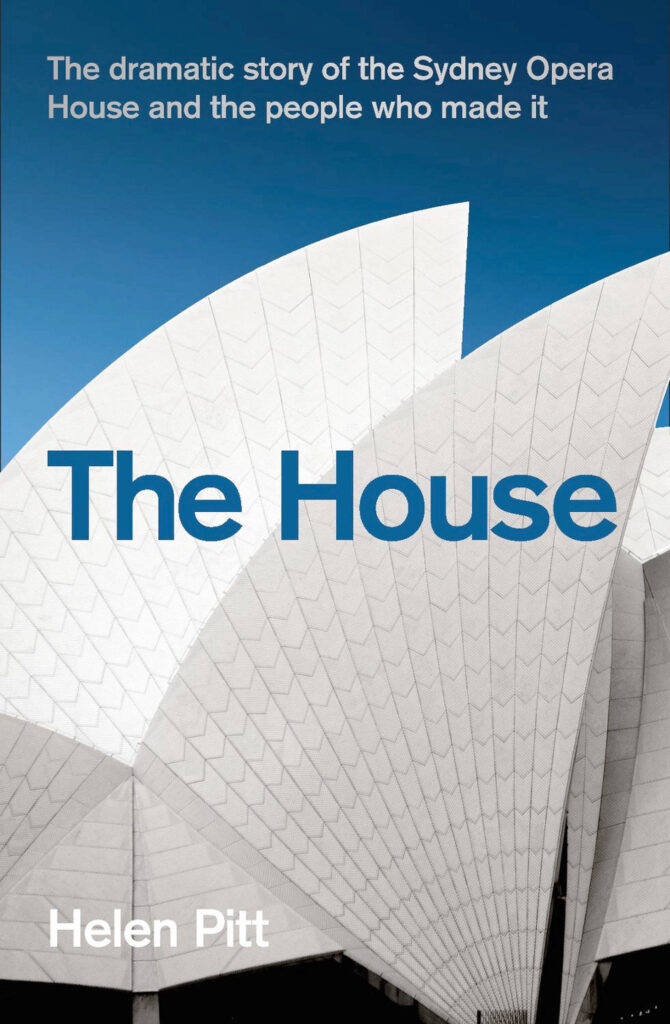
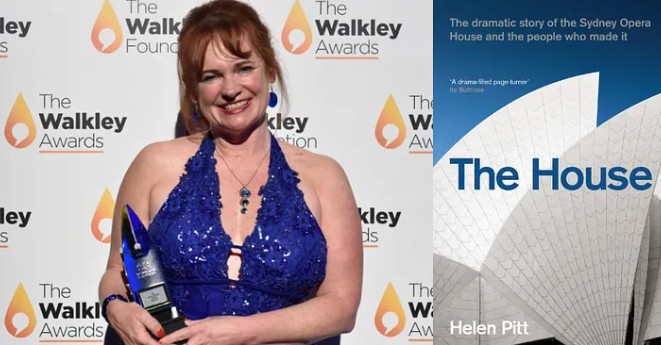
Winner: 2018 Walkley Book Award
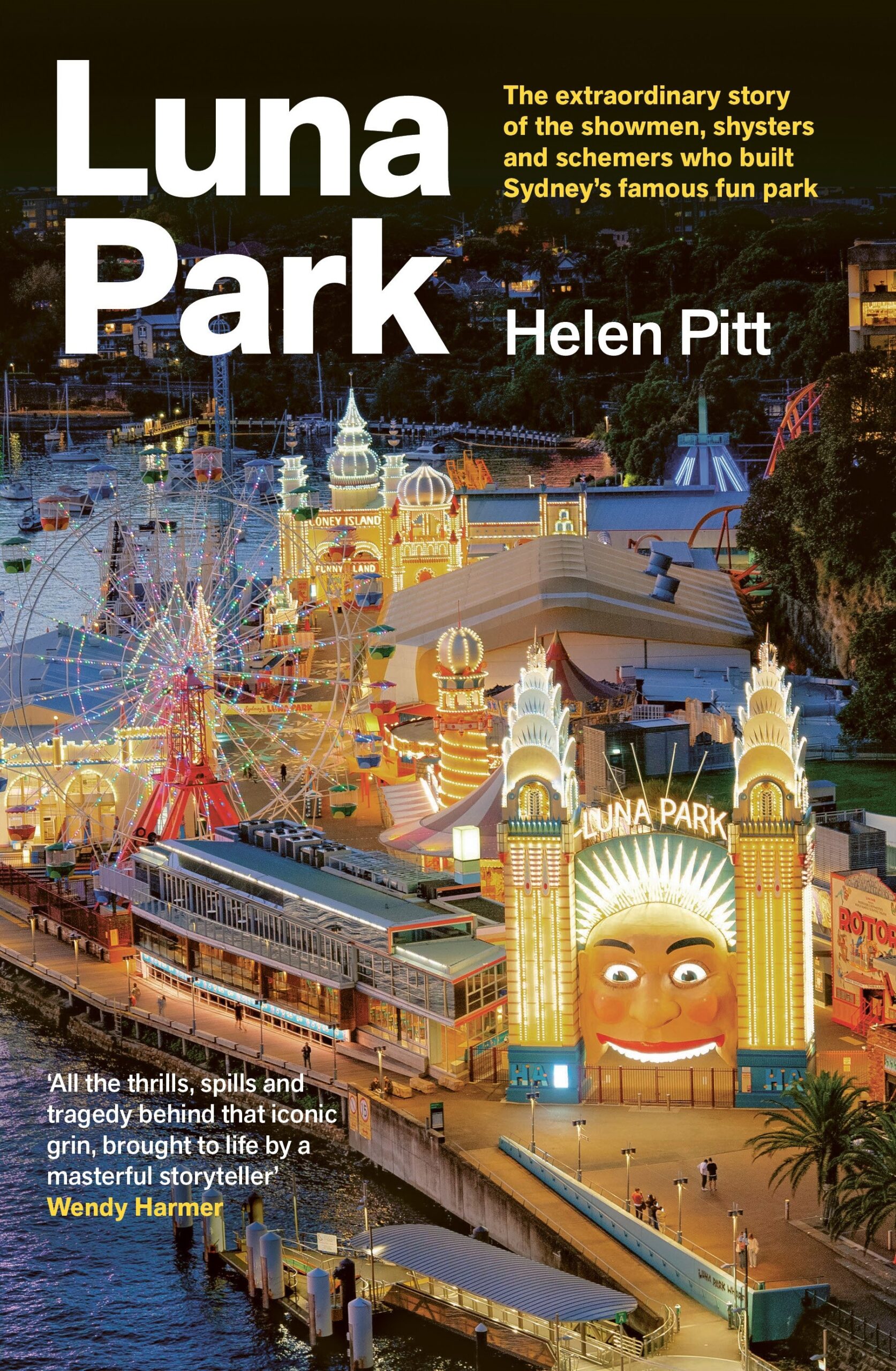
One of the most anticipated books of 2026
The Australian
Shortlisted: 2026 National Trust Heritage Awards
The House and Luna Park
Helen Pitt describes herself as a ‘biographer of buildings’. This title is apt because The House and Luna Park both trace the life of a place through the people, politics, money, tragedies and desires that shaped it.
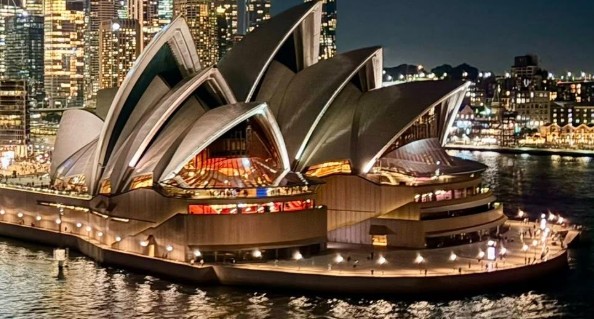
Two Icons, One Shared Shadow
Sydney Opera House and Luna Park may seem like an unlikely pair, one a UNESCO World Heritage Site, the other a heritage-listed amusement park. Nonetheless, Pitt argues they are ‘Sydney on a stick’, equally defining of the city’s soul. What drew her to both, she says, is the interplay of light and dark beneath the glossy surfaces.
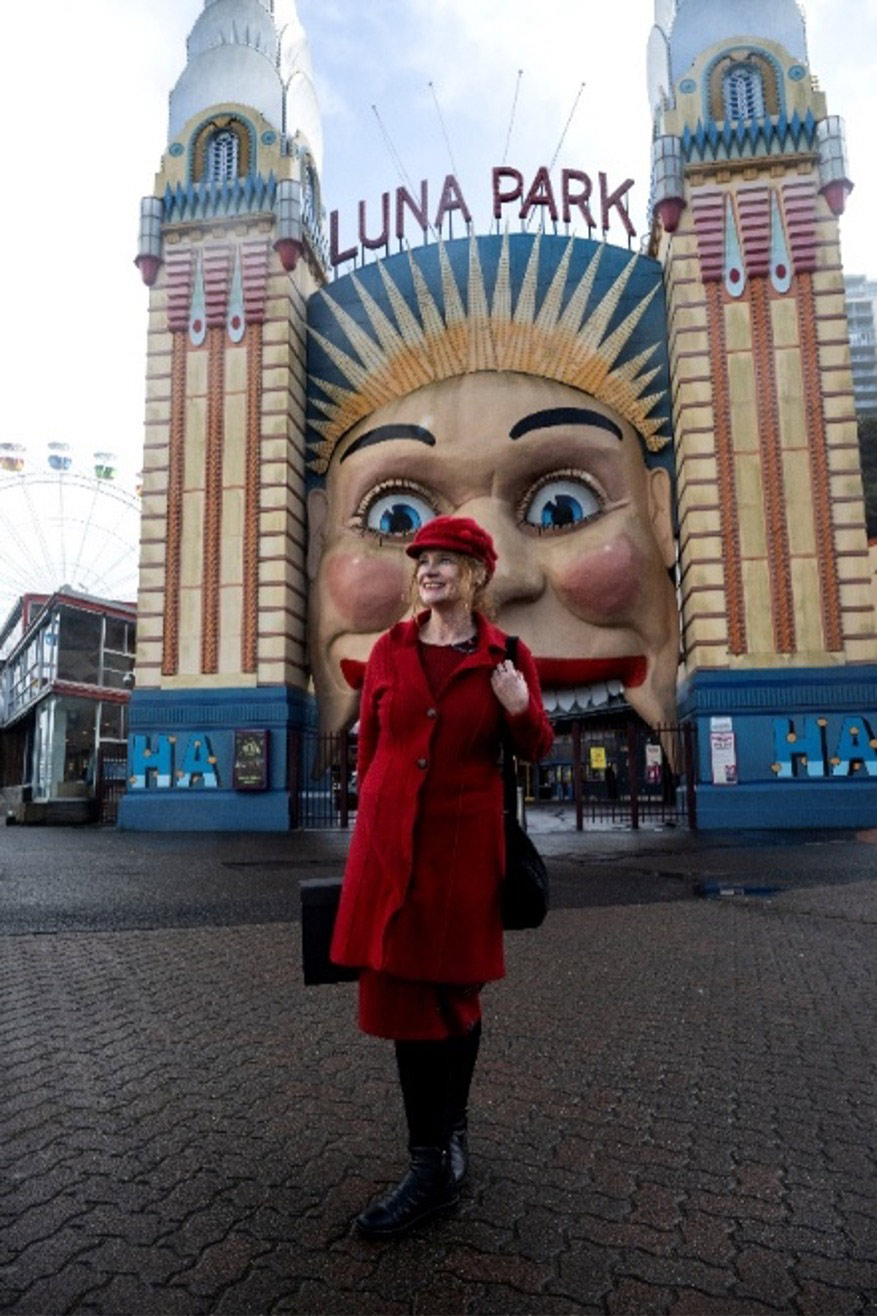
Sydney Opera House took 16 years to build, consumed the careers of Jørn Utzon and Peter Hall, and cost $102 million, funded by 86 million lottery tickets. Luna Park, by contrast, was assembled in just 12 weeks in 1935 by former Sydney Harbour Bridge riggers. Yet its political and emotional history proved no less turbulent.
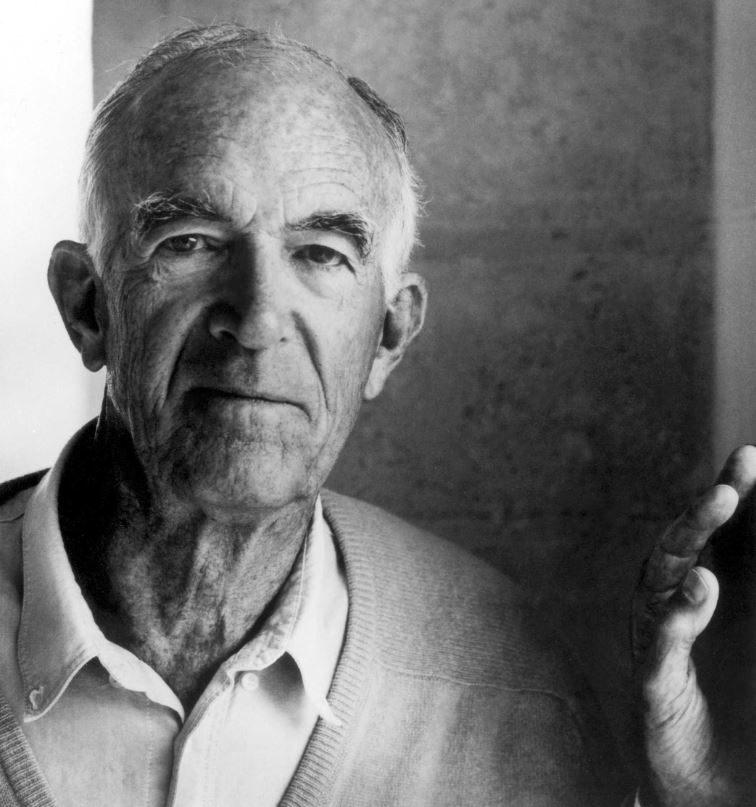
Jørn Utzon
Portrait by Ole Haupt
National Portrait Gallery: https://www.portrait.gov.au/portraits/2004.3/jrn-utzon
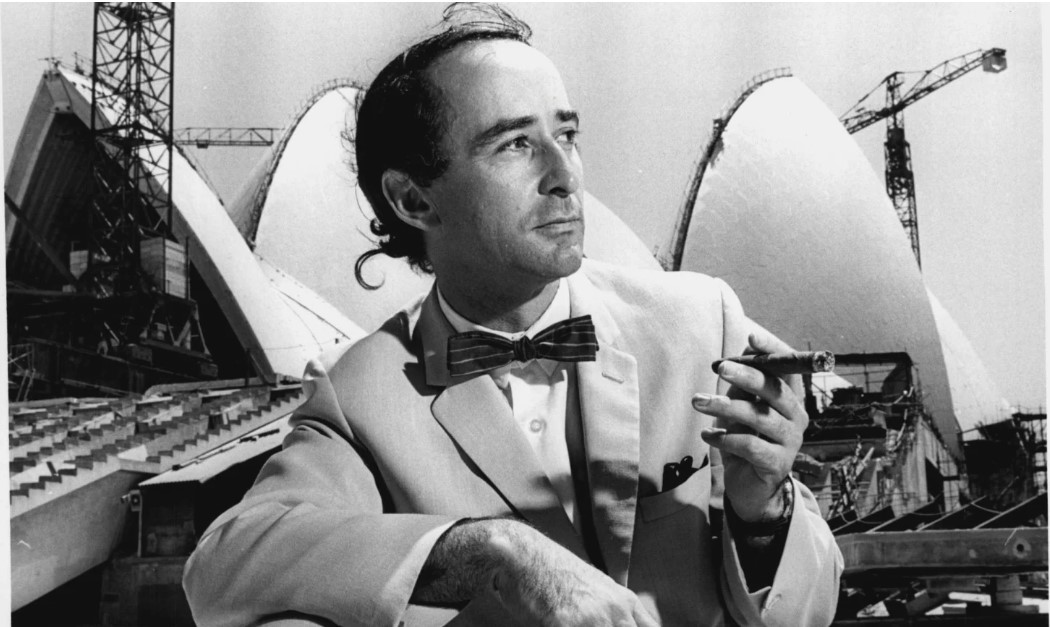
Peter Hall, 1968.
Photo credit: Max Dupain
In The House, a key truth Helen Pitt sought to uncover was the story of Peter Hall, the Australian architect who completed the construction of Sydney Opera House after Utzon’s dramatic departure in 1966. Both architects, she discovered, were effectively shunned by their professional communities. Utzon couldn’t find work in Denmark, while Hall was ostracised by Sydney’s architectural world for accepting the commission. ‘The Utzons and the Halls, there are no winners here’, one of Hall’s daughters told Pitt. ‘They both suffered terribly.’
The Dark Heart of Luna Park
With Luna Park, Helen’s central research question was more urgent: what really happened on the night of 9 June 1979, when the Ghost Train fire killed six children and one father? Pitt presents the evidence unflinchingly, including the long-held suspicion of arson and a possible link to the criminal figure Abe Saffron. However, she acknowledges the truth may never emerge because the potential crime scene was bulldozed within 24 hours of the fire. Her approach is forensic rather than polemical: she shows rather than tells, enabling readers to draw their own conclusions about the grossly inadequate investigations she describes.
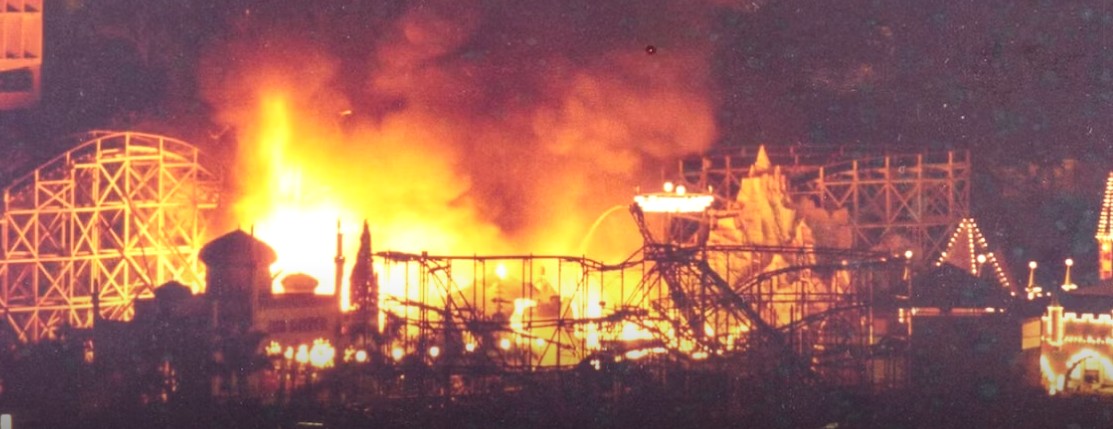
Ghost Train Fire at Luna Park
9 June 1979
The closing chapter of Luna Park, titled ‘How to Go On’, turns to the Carroll family, who lost their son Richard in the fire. Nearly half a century on, they have survived through their passion for music. Pitt’s portrait of their quiet resilience provides the book’s emotional anchor.
Both books open with Helen Pitt’s memories as an eight-year-old: The House begins with her watching the opening of Sydney Opera House from a harbour ferry in 1973. Luna Park starts with her birthday celebrations at Luna Park that same summer. She drafted these beginnings last, on the advice of her publishers, who recognised that the personal entry point was what made each big story most compelling. ‘How we feel about places’, Pitt observes, ‘is often what readers respond to most strongly’.
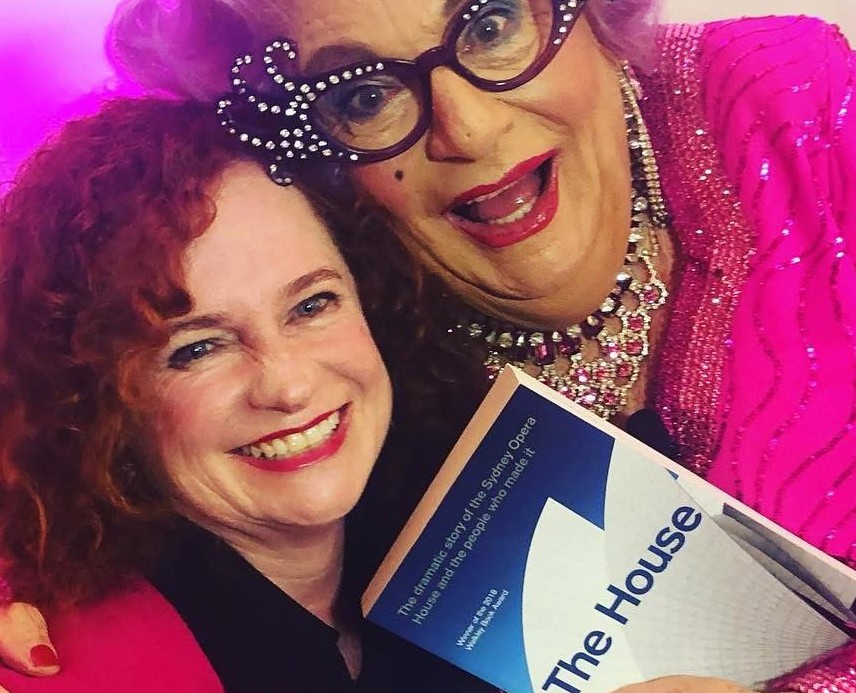
Helen Pitt’s conversation with Gabriella is rich with insights into the craft of object biography, from managing the tension between nostalgia and objectivity, to navigating the mythology that accumulates around beloved landmarks. Tune in to hear her read from the opening passages of both books, and to find out why she believes more Sydneysiders have walked through Luna Park’s grinning face than have ever sat inside the famous shells of Sydney Opera House.
Praise for The House
‘A drama-filled page turner.’
Ita Buttrose AO OBE
‘Helen Pitt tells us so much about the building of the Sydney Opera House we’ve never heard before.’
Bob Carr, former Premier of NSW
‘Australia in the seventies: mullets, platform shoes and, miraculously, the Opera House. At least we got one of them right. A great read.’
Amanda Keller
‘It will fascinate its readers, even those not fortunate enough to be part of Generation Jorn.’
Sydney Morning Herald
‘This is the closest you’ll get to the Opera House walls talking.’
AU Review
‘Thoroughly researched, colourful and shocking.’
Australian Book Review
The House Media Coverage
Spotlight on Helen Pitt
‘When you say longform — it’s not just the writing of it, it can also mean how long it takes for people to trust you and be willing to talk.’
Praise for Luna Park
‘A hugely enjoyable rollercoaster of a book.’
Delia Falconer
‘An irresistible ride from start to finish.’
Heather Rose
‘A compelling page-turner that will make you look at that beaming grin across Sydney Harbour with fresh eyes.’
Kate Mulvany
‘A timely reminder of how lucky we are to still have an amusement park with one of the best locations in the world.’
Sam Marshall
‘Pitt writes with a contagious enthusiasm, and her meticulous research, beginning with her own eighth birthday party adventure in the River Caves, unearths wonderful anecdotes and tantalising trivia.’
Sydney Morning Herald
Luna Park Media Coverage
Conmen, crims and crooked cops: a rollercoaster ride through Luna Park’s history
Sydney Morning Herald
Ann Skea, Newtown Review of Books
‘My husband and children are in there’: The interaction that haunted a fireman for decades
Sydney Morning Herald
Luna Park Sydney Turns 90: Inside the Icon’s History of Joy, Tragedy and Mystery
New Idea
Luna Park Blog
Helen Pitt: Other Feature Stories
This dance work might be our best lesson yet in what we’ve got to lose
Sydney Morning Herald
The discarded outback road signs that became a prize-winning artwork
Sydney Morning Herald
Rachel didn’t want to tell her great-grandmother’s story. Now strangers thank her for it.
Sydney Morning Herald

Helen Pitt is an award-winning journalist and author. Her first book, The House: The dramatic story of the Sydney Opera House and the people who made it, won the 2018 Walkley Book Award. She has over four decades of experience in the media, reporting from three different continents (Australia, Europe and the Americas). She has worked as the Sydney Morning Herald's opinion editor, Spectrum deputy editor and as a staff news and feature writer there, and at The Bulletin, HQ magazine and New York Times Digital. This is her second book.