





In this latest episode of Biographers in Conversation, award-winning novelist, essayist and academic Dr Debra Adelaide chats with Dr Gabriella Kelly-Davies about her choices while crafting When I Am Sixty-Four.
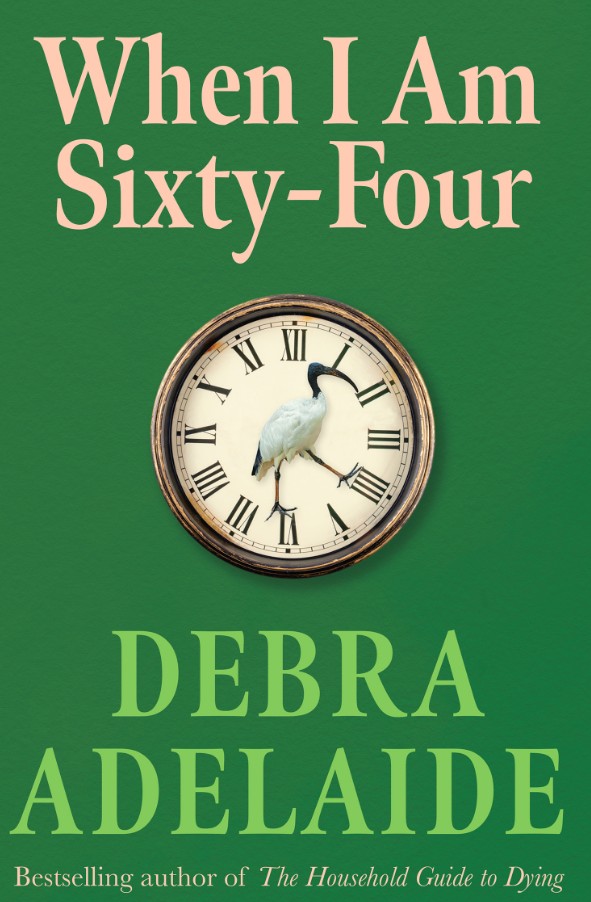
When I Am Sixty-Four
When I Am Sixty-Four is a tender, poignant story based on Debra Adelaide’s lifelong friendship with the award-winning author, Gabrielle Carey. A work of extraordinary depth and grace, it is crafted as autofiction, a hybrid genre that blurs the line between fiction and autobiography. Grief and literary friendship are at the heart of this story, themes that will resonate deeply with anyone who has wrestled with the question of how we write about the lives of people we love, especially those no longer here to speak for themselves.
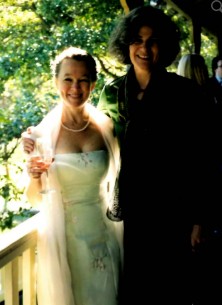
Gabrielle Carey (left), pictured on her wedding day with Debra Adelaide.
In autofiction, real events from an author’s life are mixed with invented scenarios, altered details and fictionalised subplots. In When I Am Sixty-Four, Debra employs the tools of fiction to shape, rearrange, condense and invent to reach for deeper emotional and imaginative truths. Drawing on the two author’s lives, relationships and experiences, Debra captures the human condition in all its complexity: the small but momentous events that can transform a life; the way cherished memories can be rewritten or expunged; the limitations of love, but also its necessity; and the exhilarating, unpredictable world of the creative imagination.
What is autofiction?
Debra chose autofiction rather than biography because she lacked the emotional distance from her friend to enable the detachment and objectivity required of a biographer. She chose not to name Gabrielle, referring to her as ‘my friend’ because she wanted readers to bring their own experiences of loving someone in despair to the page.
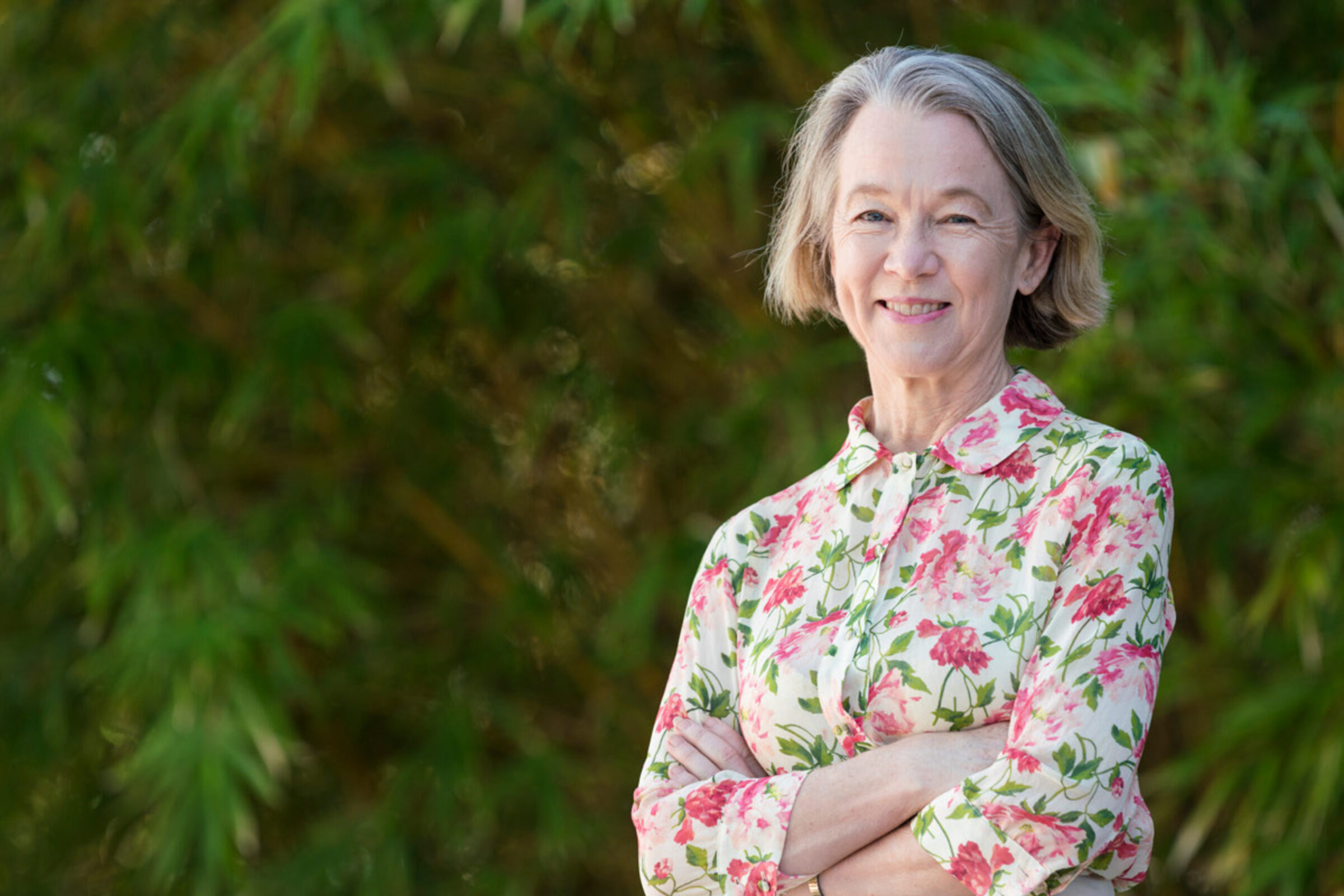
Gabrielle Carey
The book’s title carries layers of private grief. Gabrielle Carey died at 64, the same age her father had taken his own life. Carey was haunted by the number 64 and just months before her death, she published an article describing her fear of reaching this age. When I Am Sixty-Four also echoes the famous Beatles’s song from ‘Sgt. Pepper’s Lonely Hearts Club Band’, which reflects on ageing, love and security.
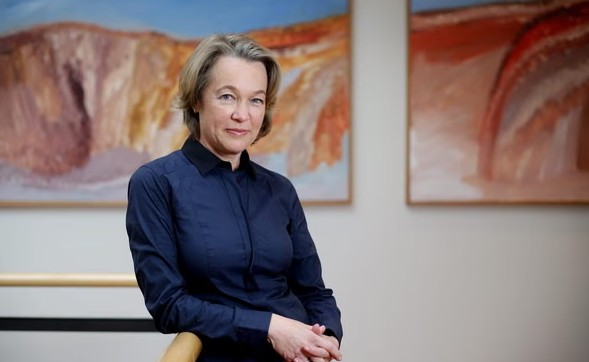
Gabrielle Carey
When I Am Sixty-Four began as a memory. Debra was working on a different project when the image of coaxing her friend out of bed in those final tragic months returned to her with such force that she headed to the computer and wrote about it. One recollection led to another, and a book-length story emerged, structured as a mosaic of vignettes transitioning fluidly back and forth across 50 years of shared history. Moving in time as memory enables the story’s mosaic form to mirror the way grief and friendship live in the mind.
The final months of Gabrielle’s life provide a loose chronological spine, while memories of their five decades together are woven in with what Debra refers to as an almost ‘mysterious freedom’.
Start With Whatever is in Your Imagination
Dark humour runs through When I Am Sixty-Four as both a tribute and survival strategy. Gabrielle Carey had such an extraordinary laugh that Debra wanted to honour it.
Choosing how to end a story is one of an author’s most challenging decisions. The closing passages of When I Am Sixty-Four arrived as a feeling, Debra’s recognition that she was compelled to do what Gabrielle had done all her life: confront her own losses in writing. ‘Because Gabrielle would never get to write about the most difficult period of her own.’
Praise for When I Am Sixty-Four
‘Here, brilliantly distilled, is a searching account of a friendship and a tragedy. A mesmerising gem of a novel.’
Michelle de Kretser
‘This is a loving and exquisitely written homage by one writer friend to another, who has left for a place words can’t reach. Debra Adelaide knew her friend deeply: from childhood, through their essential teen years, and as adults – women, writers, lovers and mothers. She cared for her in practical ways that are also monumental: the morning call, the scary truth-telling. What I am most struck by is Adelaide’s fineness of tone. Whether admiring or delighted, terrified or devastated, Adelaide represents the creative intimacy of a lifetime’s relationship in a way that respects the essential mystery of another person.’
Anna Funder
‘When I Am Sixty-Four is a miracle of a book. It’s about grief, but it’s also a love letter to writing, and to friendship. It’s a gift for every one of us who have ever lost someone we love. This is Adelaide’s masterwork, a jewel of rare generosity and compassion.’
Toni Jordan
‘The central subject of this story is so sad, you wonder how anyone can write, live, think her way through it. With her wisdom and love, her memory, and the tender touch of her writing, Debra Adelaide has rescued and reanimated a past that must have seemed lost. Beauty conquers sadness. This is why reading and writing matters.’
Malcolm Knox
‘Readers familiar with Adelaide’s work will be aware how brilliantly she can capture the textures of everyday experience – home life, family life, the lived experience of women.’
Australian Book Review
When I Am Sixty-Four: A Snapshot of Interviews and Reviews
‘Debra Adelaide on the life and death of Gabrielle Carey.’
‘The Book Show’, ABC Radio National.
‘Debra Adelaide reflects on friendship with Gabrielle Carey in When I Am Sixty-Four.’
‘Friend of sorrow.’
Caroline Overington, The Weekend Australian.
‘Words can’t save a life - but they can capture it.’
‘Grief and love.’
Susan Sheridan, Australian Book Review.
‘Dear Gabrielle’
Review essay by Sam Twyford-Moore in Kill Your Darlings.
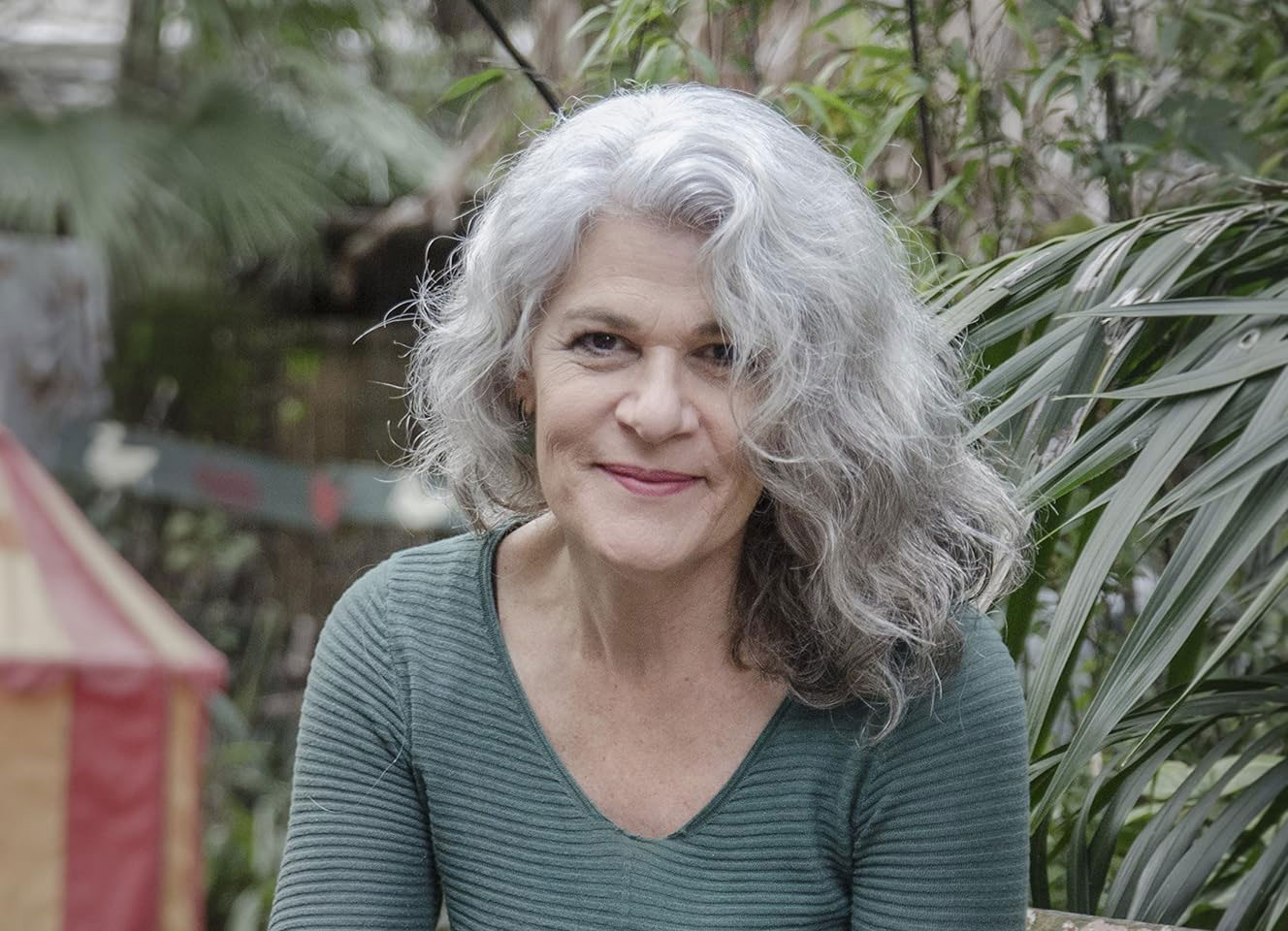
Photo credit: Gregory Ferris
Dr Debra Adelaide is the author or editor of eighteen books, including fiction, nonfiction and reference works. Her 2008 novel, The Household Guide to Dying, was published to acclaim in Australia and around the world and was short- and long-listed for several literary awards, including the international Orange Prize (now the Women’s Prize) for Fiction. Her most recent books include Zebra, which won the short story category in the 2019 Queensland Literary Awards, and The Innocent Reader: Reflections on reading and writing. She taught creative writing for twenty years and is now an Adjunct Associate Professor at the University of Technology, Sydney. She lives and writes on Bidjigal Country in Sydney’s inner west.