





Aboriginal and Torres Strait Islander listeners are advised that the following podcast and show page contains information about people who have died.
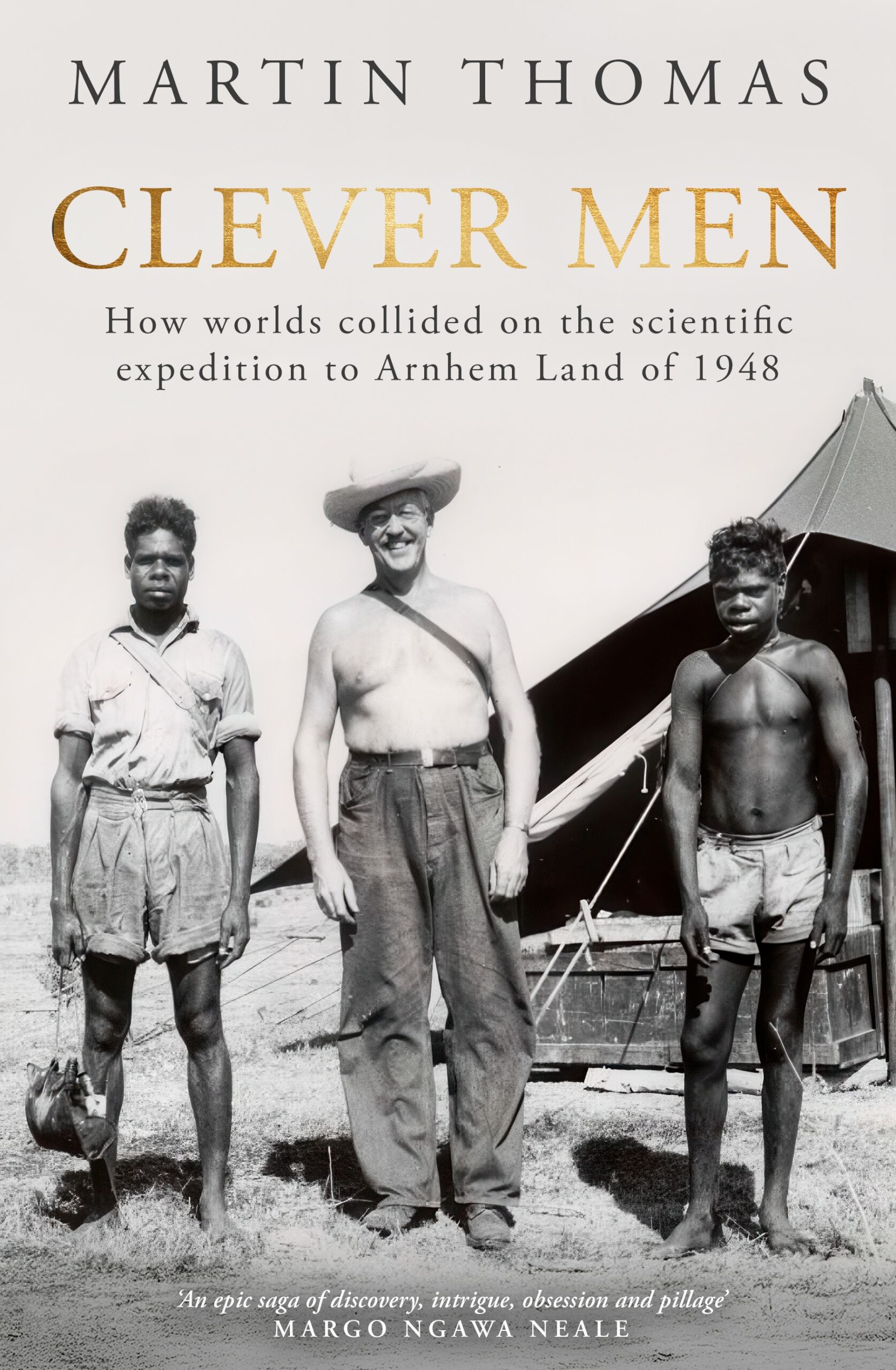
What really happened when Charles Mountford led a quarrelsome team of Australian and American scientists to explore traditional First Nations life in Arnhem Land? That’s the question the award-winning historian Dr Martin Thomas explores in Clever Men: How Worlds Collided on the Scientific Expedition to Arnhem Land of 1948.
WINNER: 2025 Mark and Evette Moran Nib Literary Award.
SHORTLISTED: 2026 Ernest Scott Prize for History.
SHORTLISTED: 2026 Douglas Stewart Prize for Non-fiction.
In this episode of Biographers in Conversation, Dr Martin Thomas chats with Dr Gabriella Kelly-Davies his choices while crafting Clever Men. This group biography examines what occurred during the dry season of 1948, when anthropologist and photographer Charles Mountford led an ambitious expedition of Australian and American scientists into Arnhem Land, a vast First Nations area in the northeast corner of Australia’s Northern Territory.
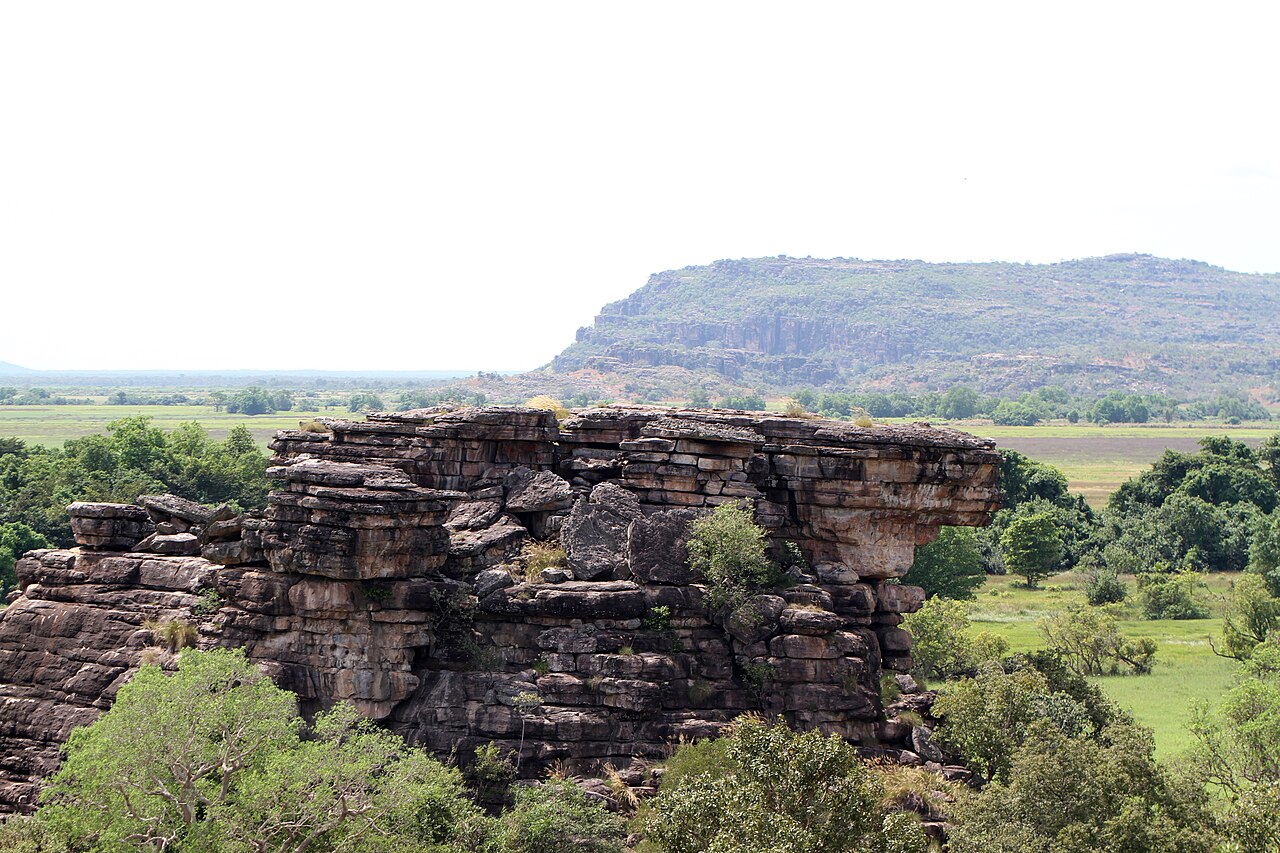
Arnhem Escarpment from Ubirr Rock, Northern Territory. April 2013
Matt Clancy, 2013.
Wiki Commons: Public Domain
Arnhem Land has been the home of its traditional landowners for tens of thousands of years. These Indigenous people have a deep, ancient and sacred connection to the land, with a culture that has been passed down through generation after generation.
Writing ‘with’ Arnhem Land communities rather than ‘about’ them
This ambitious, quarrelsome expedition of 17 scientists descended on a vast First Nations territory without seeking permission from its traditional owners. They collected bark paintings, filmed sacred ceremonies, and, most disturbingly, removed human remains from mortuary sites, shipping them to the Smithsonian Institution in Washington DC. Informed by elders whom he interviewed at length, Martin describes this as a kind of kidnapping: displaced spirits in a foreign land, hearing American accents.
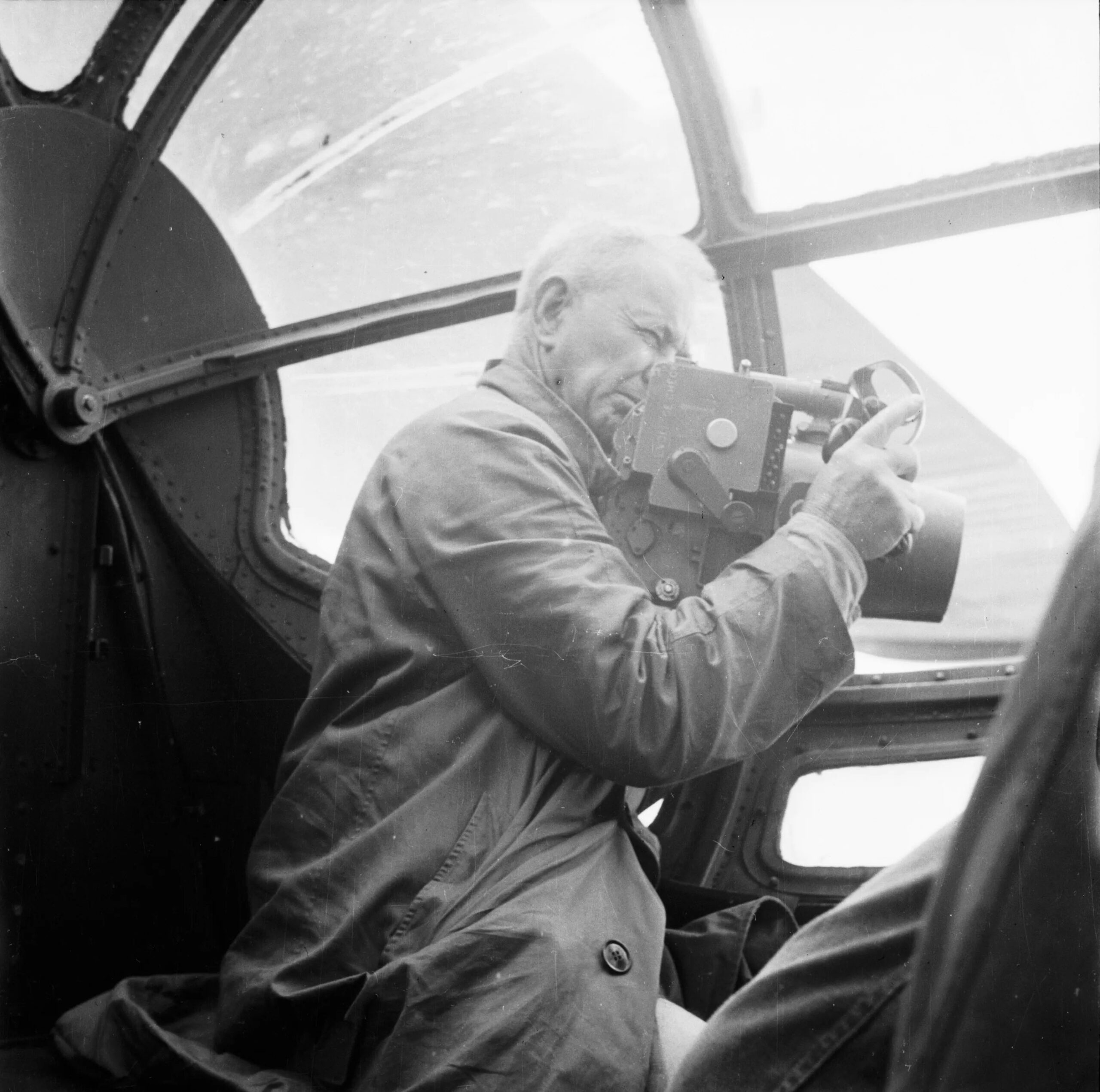
Charles Mountford shooting footage from a military aircraft that transported the Arnhem Expedition,
Mountain-Sheard Collection, State Library of South Australia.
Martin’s research began in the ABC’s sound archive, where he stumbled upon recordings made during the expedition to Arnhem Land. He hadn’t known about the expedition until this moment.
Drawing on years of collaborative research with Arnhem Land communities, he brings multiple worlds into collision: Western scientific ambition, Cold War geopolitics and the deep knowledge systems of the Bininj and Yolŋu peoples. He also charts the decades-long campaign by the late elder Jacob Nayinggul to secure the repatriation of his ancestors’ remains.
The forgotten 1948 scientific expedition to Arnhem Land
Saturday Morning, RNZ, 5 July 2025.
Vitally, Martin navigates the tension between documenting colonial encounters and respecting Indigenous people and their sacred lands. In this encounter between scientific hubris and some of the world’s oldest surviving cultures, he reveals a story of global significance and profound long-term impacts.
Martin chose the group biography form to capture the expedition’s internal tensions: the paranoid, self-taught Mountford versus the bombastic Smithsonian deputy Frank Setzler, with diaries and letters revealing exactly what each man thought of the other. With no email and minimal pre-planning, Mountford’s expedition arrived in Darwin to find he had made no provision for getting equipment into Arnhem Land. The supply barge, The Phoenix, promptly ran aground on a coral reef.
The American Clever Man
Inside Story, 25 June 2025.
The title’s double meaning—Clever Men—is an Aboriginal English term for a shaman or spiritual healer. Martin explains how the title emerged from an incident in which local Arnhem Land people watched a mammalogist shoot, skin and stuff animals, concluding this westerner must be a powerful clever man from another world. The irony is intentional.
Biography assumes a Western sense of self: names, birth dates and individual identity. In Bininj and Yolŋu culture, the dead are not named during mourning, numerical dates are not used, and the self is understood to be a spirit that belongs to country and returns to it, like the incoming and outgoing tide.
Nightlife History: The scientific expedition to Arnhem Land of 1948
Nightlife, ABC Sydney
10 June 2025.
Clever Men ends in the early 21st century with the repatriation of the human remains, a quest led by Jacob Nayinggul, a man Martin describes as one of the true clever men of the story, and one of his most important mentors.
Show, Don’t Tell
Praise for Clever Men
‘Depicted as an epic Shakespearean-like tragedy, Clever Men weaves complex strands in a compelling story of western interaction with Indigenous Australia.’
Peter Yu
‘A deep dive into the fraught interface between the shallow, intrusive gaze and rapacious acquisitiveness of the expedition and the profound secret-sacred understanding of its Indigenous subjects’
Cassandra Pybus
‘Clever Men is at once a richly textured group biography, a meditation on cross-cultural ethics, and a searching interrogation of what biographical practice must become when it crosses into Indigenous country.
An epic saga of discovery, intrigue, obsession and pillage.’
Margo Ngawa Neale
‘Absolutely mesmerising.’
Grace Karskens
‘This galloping narrative of Arnhem Land draws on years of intense research by one of Australia’s sharpest historians.’
Peter Read
‘A fresh, fascinating and vital contribution to Australian history,
which is as significant as it is engrossing.’
The Australian
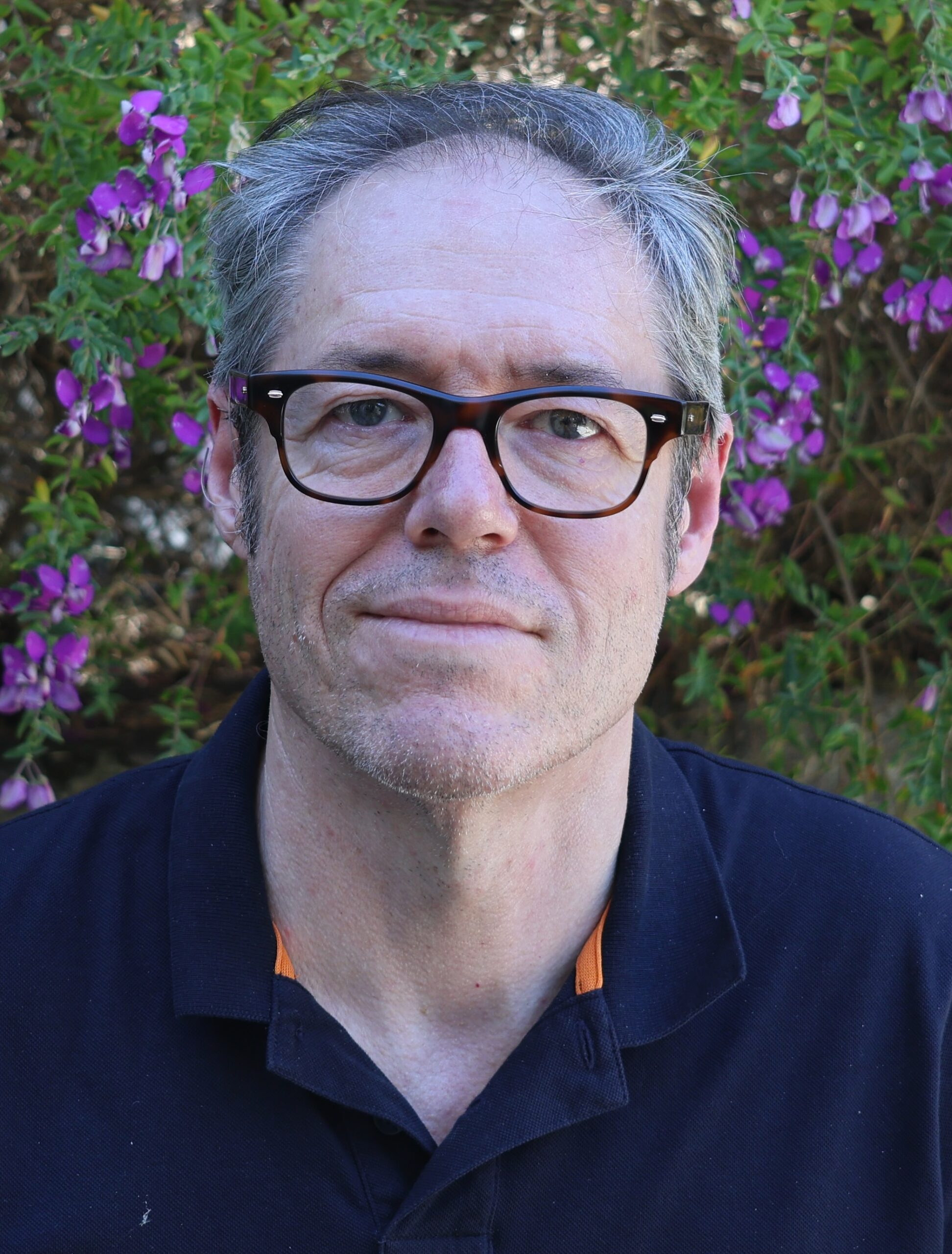
Martin Thomas is a unique voice among the history writers of Australia. A Professor of History at ANU and an award-winning researcher, essayist, oral historian, and filmmaker, his work is driven by a deep interest in the meaning of landscapes, the legacies of colonisation, and the drama of cross-cultural encounter. He directed and co-produced a documentary film Etched in Bone. His book The Many Worlds of R. H. Mathews won the National Biography Award.