





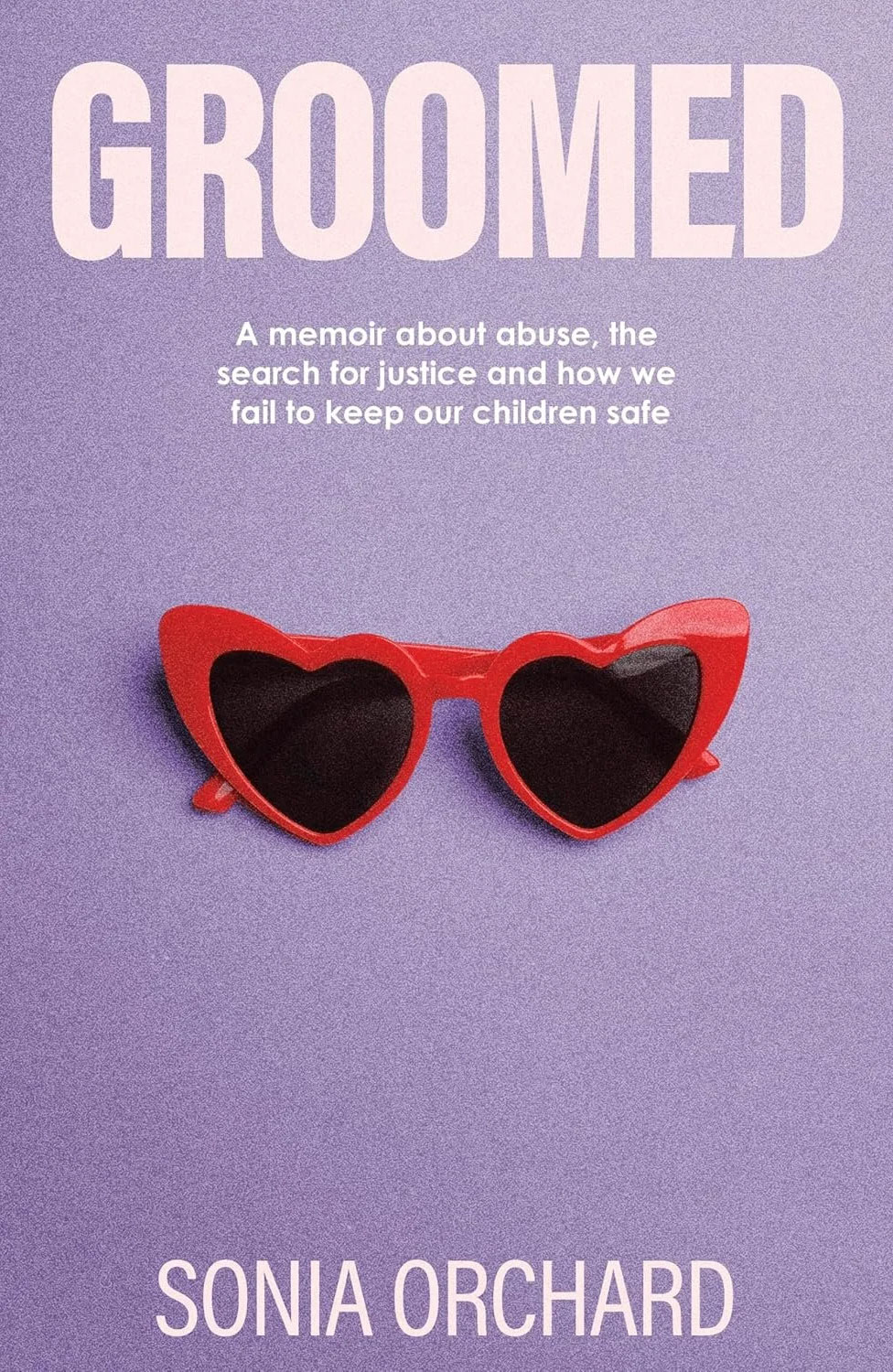
In this episode of Biographers in Conversation, award-winning author Dr Sonia Orchard chats with Dr Gabriella Kelly-Davies about her choices while crafting Groomed: A Memoir about Abuse, the Search for Justice and How We Fail to Keep our Children Safe.
Shortlisted, 2026 National Biography Award
Shortlisted, 2026 Davitt Award
Groomed
In Groomed, Sonia tells the story of her 26-year-old ‘boyfriend’ when she was 15. It wasn’t until she was in her 40s that she questioned the nature of this relationship. Sure, he had been a decade older than her, but it was consensual ... wasn’t it?
To her surprise in a counselling session, Sonia broke down in tears, then she started shaking uncontrollably, an unmistakable expression of trauma that lasted for days. She was clearly not okay, but could the relationship she’d thought was loving really be abuse? Sonia reported her experiences to the police and pursued her case through the Victorian legal system, an experience she describes with unflinching honesty.
Has a crime been committed?
What makes Groomed extraordinary is its method. Sonia shifts continuously between memoir and research, examining her trauma under the microscope. She draws on neuroscience, evolutionary psychology and cultural history to interrogate not just what happened to her, but why our legal systems so consistently fail survivors.
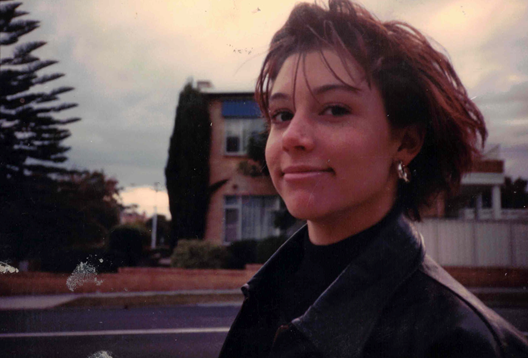
Sonia Orchard, aged 15, at the time of the abuse.
Photo supplied by Sonia Orchard.
Sonia is candid that she didn’t conduct painstaking research for the benefit of readers. It was, she says, ‘my parent brain stepping in’, a way of creating distance from unbearable pain by turning her own trauma into a subject of study. Written in real time, without the safety of hindsight, Groomed captures a rare and destabilising quality: neither Sonia nor her reader knows how the story will end.
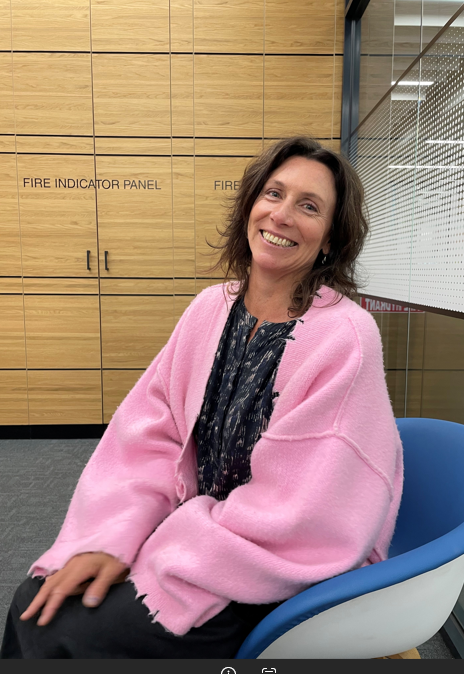
Sonia Orchard at the Office of Public Prosecutions in Melbourne, having just been cross-examined remotely for her committal hearing. Although it was a sweltering February, Sonia wears her thickest cardigan because she was shivering so much from the trauma. She says this photo conveys the absolute relief of having survived cross-examination.
Photo supplied by Sonia Orchard
The book closes with Sonia in a hospital bed following cancer surgery. She realises that her physical illness received more care and nurturing from the health system than her emotional trauma ever did. It is a devastating, clarifying juxtaposition, crystallising her central argument: our justice system inverts victim and perpetrator, and society still largely fails to protect its most vulnerable, teenage girls, from harm hiding in plain sight as love.
Groomed required Sonia to do something almost paradoxical: to write with the intimacy of memoir and the rigour of research and the legal process concurrently, holding her most painful memories under a microscope while still allowing them to breathe as lived experience. She built a persuasive case about the adolescent brain and cultural narratives that let grooming hide in plain sight as romance.
The acclaimed historian Clare Wright believes Groomed is THE book for our times. It’s clear why. Sonia transformed the private reckoning triggered by a therapy session into public testimony precise enough to change how readers understand consent, power and the stories we tell ourselves about love.
Praise for Groomed
‘Groomed is THE book for our times, revealing trauma that is as systemic, cultural and political as it is granular, psychological and personal. I read this book in a hot, lumpy stew of anger, admiration and empathy. A fierce, frank and fearless defence of the rights of every fifteen-year-old girl who deserved better. I hope that a hell of a lot of men read Groomed and panic that their time is finally up.’
– Clare Wright, author, historian and broadcaster
‘In this brave and unflinchingly honest work of non-fiction, Sonia Orchard unravels the layers of her own life … Orchard’s prose challenges readers to confront the enduring pain, shame and social consequences faced by survivors of sexual crimes.’
– Ginger Gorman, journalist and author
‘Groomed is a powerful exploration of a subject we are not talking about enough: the sexual abuse of children. Approaching these heavy themes with vulnerability, Sonia Orchard’s writing is impactful and enduring.’
– Hannah Ferguson, author and co-founder of Cheek Media Co.
‘More than a compelling page-turner, this book is essential reading for all, interweaving Sonia’s personal experiences with accessible, well-researched insights into trauma, child sexual abuse, grooming and the deep-seated cultural factors that allow these abhorrent crimes to persist.’
– Vanessa Hamilton, sexuality educator and author of Talking Sex: A Conversation Guide for Parents
‘Sonia Orchard has a rare gift. In this brilliant, original and groundbreaking book, she explores what it means to be groomed, and why justice is so difficult to obtain. This is a timely, powerful and important read that will help many others make sense of the senseless.’
– Nina Funnell, journalist and sexual assault survivor advocate
‘This book draws you along with Sonia as she is sucked down into the black hole of our criminal justice system’s response to rape survivors and leaves you gasping with her at the injustice that the system’s inversion of perpetrator and victim routinely inflicts.’
– Michael Bradley, lawyer and author of System Failure: The Silencing of Rape Survivors
Groomed Interviews
Power Imbalance in Relationships with Sonia Orchard, hosted by Michelle Cox, 26 March 2025.
So You Want To Be A Writer podcast (Australian Writers Centre)
Ep 654. Sonia Orchard shares her impactful memoir ‘Groomed’, hosted by Valerie Khoo, 11 March 2025.
Read This podcast (Schwartz Media)
How Sonia Orchard reclaimed her story. Hosted by Michael Williams, 6 March 2025.
Saturday Mornings with Jacinta Parsons (ABC Radio Melbourne 774)
Sonia chats with Jacinta Parsons about her new book Groomed, 15 February 2025, (11am), from 1m42s.
Sonia Orchard’s new memoir ‘Groomed’ details her own experience as a teenage schoolgirl and how she navigated the legal system to try gain justice, hosted by Fauziah Ibrahim and Tom Oriti, 8 February 2025.
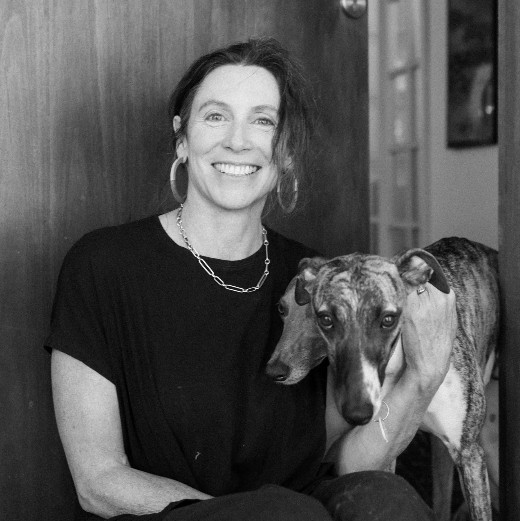
Sonia Orchard is an award-winning author, freelance writer, speaker, writing teacher/mentor and survivor advocate. She writes and speaks about social justice, gendered violence, child abuse and the environment, drawing upon research and her lived experience of sexual abuse and domestic violence. Sonia’s latest book Before the Harm: Preventing Abuse, Protecting Children is a part of Monash University Publishing’s ‘In the National Interest’ series.
Sonia is passionate about helping marginalised people tell their stories. She has run writing programs in Dame Phyllis Frost Centre (women’s prison), Parkville Youth Justice Precinct and within other community settings working with marginalised people.
In 2019, Sonia founded and was the festival director of the Mountain Writers Festival, Australia’s first writers’ festival to focus exclusively on the environment.
She has degrees in music, literature, environmental science/marine biology and a PhD in creative writing.
Support and Counselling
Remember, if you need immediate assistance, call 000.
To speak to someone about your situation, please contact one of the following services:
- Blue Knot - Complex trauma - Call: 1300 657 380 – 9am-5pm AEST / 7 days a week
- 1800RESPECT - Sexual assault / Family violence Call: 1800 737 732 – 24/7
- Kids Helpline Call: 1800 55 1800 – 24/7
- Lifeline - Call: 13 11 14 – 24/7
- QLife - LGBTI support - Call: 1800 184 527 – 3pm-12am (midnight) AEST / 7 days a week
- Beyond Blue - Call: 1300 22 4636, 24/7
- Suicide Call Back Service - Call: 1300 659 467 – 24/7
- MensLine Australia - Call: 1300 78 99 78 – 24/7
Episode transcript
Opening excerpt
Gabriella Kelly-Davies
You opened Groomed with a question you had posed to a detective: “The first thing I need to know is, has a crime been committed?” What did starting with dialogue rather than reflection allow you to establish immediately about the book’s tone and stakes?
Sonia Orchard
There are so many places where I could have started this book. That one question that I asked seemed to underpin everything. It was not just about a crime and me reporting a crime, but it was clearly a story about me not understanding what had happened, and how something could happen in broad daylight with no one realising—and me not even realising myself—that a serious crime had happened to me. How does that make sense?
Introduction
Gabriella Kelly-Davies
Hello, I’m Gabriella Kelly-Davies. Welcome to Season 5 of Biographers in Conversation. In each episode, biographers chat about the multiplicity of choices they face while crafting life stories.
I’d like to acknowledge Australia’s first storytellers, the Gadigal people of the Eora Nation. The Gadigal people are the traditional owners of the land from which I’m coming to you today.
You’ll find us wherever you listen to your podcasts and on our website, biographersinconversation.com. Let’s start the show.
In this episode of Biographers in Conversation, award-winning author Sonia Orchard chats with me about her choices while crafting Groomed, a memoir about abuse, the search for justice and how we fail to keep our children safe.
In Groomed, Sonia tells the story of her twenty-six-year-old boyfriend when she was fifteen. It wasn’t until she was in her forties that she questioned the nature of this relationship. Sure, he had been a decade older than her, but wasn’t it consensual?
To her surprise, in a counselling session, Sonia broke down in tears, then started shaking uncontrollably—an unmistakable expression of trauma that lasted for days. She was clearly not okay, but could the relationship she thought was loving really be abuse?
Sonia reported her experiences to the police and pursued a case through the Victorian legal system, an experience she describes with unflinching honesty. What makes Groomed extraordinary is its method. Sonia shifts continuously between memoir and research, examining her trauma under the microscope. She draws on neuroscience, evolutionary psychology and cultural history to interrogate not just what happened to her, but why our legal system so consistently fails survivors.
Interview
Gabriella Kelly-Davies
Sonia, welcome to Biographers in Conversation.
Sonia Orchard
Lovely to be here.
Gabriella Kelly-Davies
Congratulations on the critical acclaim of Groomed, which was shortlisted for the National Biography Award and the Davitt Award.
Sonia Orchard
Thank you. Thank you very much.
Gabriella Kelly-Davies
Please tell us about Groomed.
Sonia Orchard
Groomed is my memoir that I started writing in 2021. I started writing it a couple of months after contacting the police about what happened to me when I was fifteen. A police investigation and a court case ensued from that, and that was three and a bit years.
So the memoir follows that experience, from calling the police right through until after the end of the court process. That’s the narrative spine of it. But as you mentioned, I also delve into lots of other topics and research ideas. I write about my childhood, my family, my schooling—lots of other things.
Whatever was going on in my life, whatever I was thinking about at the time, kind of got sucked up into the story as I tried to make sense of what I was doing and what had happened to me.
Gabriella Kelly-Davies
And adding those different areas was one of the things that made the story so powerful.
Sonia Orchard
Thank you. I didn’t put them in because I thought, “Oh, the reader needs to read this.” It was what I was thinking about at the time. I’m someone who turns to research, and I have a tendency to over-intellectualise things and overthink things. It’s kind of a comfort space for me. I think it’s a form of self-soothing. It’s like the parent brain stepping in and saying, “We’ve got this.”
So as I was going through the chaos of unpacking my past and the chaos of the legal system, I was just obsessively researching everything in order to make sense of it and to comfort myself.
The research is not just slotted in as, “Hey, reader, you’ll find this interesting.” It’s, “Hey, reader, welcome to my brain. This is what I’m obsessing over at the moment, and this is me trying to feel my way through something that feels really out of control. These are my kind of handrails that I’m holding on to, to help me understand what’s going on.”
Gabriella Kelly-Davies
I also wondered if it provided emotional distance in a way that helped you to cope with the whole trauma of the original experience, but also the trauma of the court case.
Sonia Orchard
Oh, absolutely. And I think when I say that it was my parent brain, it was me trying to protect myself from what was going on.
Often, at two o’clock in the morning, I’d wake up and I’d be in quite a state. Instead of just spiralling in my head, I would just start researching in the middle of the night, just as a way of putting some kind of… and, as you said, distancing myself, turning it into a research project rather than my personal experience.
So it did allow me to step away from the pain and to look at it like a researcher would look at it, and sort of avoid the pain of what was happening.
Gabriella Kelly-Davies
Yes, and it’s very powerful. What compelled you to write Groomed, and why now?
Sonia Orchard
I think anyone who reads the book will realise that I’ve been writing for a long time. I was writing diaries from about the age of seven, and I wrote diaries all through my teenage years. I’ve always written. It’s where I go to make sense of things.
So the question wasn’t so much, “Why did I write it?” but, “Why would I not write it?” That was what I struggled with at the beginning because even all my friends and my family, as soon as I contacted the police, everyone just said to me, “So you’re going to write about it.” It was just the obvious thing for me to do.
It took me quite a few months before I decided that I would write about it because of those reasons not to write about it, which were shame, not wanting to be that person who puts their trauma and abuse out for the world to see. I got over that pretty quickly. I think that’s an age thing. I kind of care less about what people think. People can think what they want, and I am more concerned about the younger generation and people who don’t have the supports and ability to go through the legal system and to do what they need to do.
I’m more focused on whether I can help them in any way with my story. That’s more important to me than protecting my image and not being someone who has gone through this experience.
I was also very mindful of wanting to protect people around me. That was another reason why not to do it. So my family, my birth family and my current family, my husband and kids. I just had to spend a little bit of time thinking about whether I could do this mindfully and compassionately, in a way where I could be honest but protect the people around me and not hurt them through writing.
Once I realised that I felt I could do that, and I had an incredibly supportive publisher and agent, I felt like, “Look, all the signs are pointing towards ‘Do it’, so let’s just do it.” I like taking a risk, so I just thought, “Yep, okay, let’s do it.”
Gabriella Kelly-Davies
And you did, and it’s very powerful. There are two things that really make me think about what you’ve just said. One is how you were compelled to help the current generation, and I presume that’s why you’ve got the title you’ve selected, or the subtitle.
I wonder to what extent families get used to writers in their lives writing close to life, and having them as part of that story.
Sonia Orchard
Yeah, I know. I feel a bit sorry for them. They don’t ask to have a writer in their family exposing everything, but hey, that’s bad luck, isn’t it?
But yes, I was very much driven by my concern for the younger generation and how little has changed. I think it’s not a coincidence that I went to the police as my eldest daughter was reaching the age that I was when the abuse happened to me. I was looking at her and all of her friends and just started to see my past very, very differently when they got to that age.
I just thought, “I can’t say that I’m going to be there for you, protecting you and standing up for you, if I’m not doing it for myself. I have to do it for myself in order to know that I can do it for all of you, because you are all these beautiful children that I want to protect and look after, and I haven’t been able to look after myself. So I have to do this to show that I can, and that it’s important to me.”
So yes, I was very much driven by my need to help look out for the next generation.
Gabriella Kelly-Davies
You opened Groomed with a prologue, with a question you had posed to a detective: “The first thing I need to know is, has a crime been committed?” What did starting with dialogue rather than reflection allow you to establish immediately about the book’s tone and stakes?
Sonia Orchard
I started with that scene because, as I talk about at the beginning of the book, there are so many places where I could have started this book. These stories don’t just start. They have so many possible beginnings.
The beginning could have been my childhood. It could have been when I was fifteen. It could have been my parents’ childhood. The story kind of goes back generations in many ways. So you have to decide as a writer, “Okay, where is my starting point?” In many ways, it’s an artificial place. You say, “Okay, I choose to start here, even though it could start somewhere else.”
Starting with the police, I just thought it gives it an easy narrative spine, following the police and justice journey, even though the story is about so much more than the justice system. It just gave me a bit of a handrail: “Okay, this is the spine.”
Because I did start writing about it a couple of months later, when I looked back on that moment of contacting the police, that line that I asked the police was the thing that just kept popping up for me. That one question that I asked seemed to underpin everything.
It was not just about a crime and me reporting a crime, but it was clearly a story about me not understanding what had happened, and how something could happen in broad daylight with no one realising—and me not even realising myself—that a serious crime had happened to me. How does that make sense?
Those questions were more important to me and more interesting to me than, “How will the court case go?” So yes, it is a story about a court case, but for me, the bigger questions are about community and how we understand these kinds of crimes and how we frame them, and how something that is abuse can feel like love and can look like love to other people. They were the more interesting things that I wanted to understand. That’s why that sentence, I think, kept coming back to me.
I think starting with dialogue also makes it very immediate. You’re just thrown, bang, into the middle of a scene. Even though so much of the story takes place inside my head, I was also writing the book at the time. I was writing it as it was happening.
Most people who write memoirs are writing about something that’s happened in the past. I was writing about something that was happening to me as it was happening, and I did not know how it was going to end.
There were times when I would just be sitting and waiting: “I want to write my memoir, but I’m waiting for the next scene to happen, and I don’t know what’s going to happen.” It was kind of an odd predicament of going, “Oh, I wonder how this story is going to end.”
Starting with dialogue captures that sense of being in real time and the immediacy of, “I was there.” The reader is experiencing the events as I was experiencing the events. I’m writing about them without the advantage of hindsight. I’m writing them unsure what’s going on and unable to really understand everything at the time.
So there’s a lot of me questioning and being confused, questioning myself and questioning my motives and questioning everything, because of the fact that I was writing it at the time. I’m not looking back with, “Oh yes, I did this because of that reason.” Everything that I did, I’m like, “Oh, am I doing the right thing?” So I think it does capture that ambivalence that I was feeling the whole time.
Gabriella Kelly-Davies
It’s probably the first question so many people, men and women, ask. In hindsight, was this relationship abuse, or was it something else? Was it love?
Sonia Orchard
Absolutely. And one thing I didn’t really realise as I was writing it—because, as a writer, you’re writing and you think, “Okay, I’m writing this singular narrative”—but once I kind of got into it and after I’d written it, I realised that there were so many narratives within narratives.
There’s the fifteen-year-old who was writing about love and being in love. And then there’s the narrative of me as an older woman, as a mother, looking back on this relationship. There’s the narrative that, say, the counsellor would have, with her knowledge of what she’s hearing from me. There’s the narrative of the police and the justice system.
The justice system hinges upon narrative. We’re narrative-making creatures, and I was trying to create a singular narrative when I had all of these opposing narratives that all looked very, very different, and some of them really countered each other.
In the most obvious sense, you’ve got the “he said, she said” of the legal system. But, as we all know, in sex crimes there is no “he said”, because the defence doesn’t actually need to provide a narrative, which is something that I write a bit about. I was very, very, very angry about it because it was really important to me. I wanted to know what he had to say. I wanted to know his version and what he had to say.
So it’s about trying to understand the narrative and why I saw it as a love narrative when I now see it as an abuse narrative. I find that fascinating. And you have to sometimes sit with there being several narratives around something.
I think the importance for me as a writer in publishing the book was: “I’m going to have the final narrative.”
Gabriella Kelly-Davies
Yes, absolutely. So you should.
Sonia Orchard
“Screw you, justice system and your narrative of events, because I don’t like your narrative of the events.”
And getting back to your question of why I wrote it, throughout the book I continually ask, “What is justice? What does justice even mean? What does it look like?” I think by the end I have kind of worked out that justice for me, as a storyteller, is narrative justice. I needed to have narrative justice, and I needed to tell my story.
Obviously, my story comprises all these different stories, and it’s a big compote [word uncertain] of stories all weaving together. And that’s my story.
Gabriella Kelly-Davies
And it really distinguishes memoir from biography in that it’s your truth. It’s your story, rather than someone writing objectively and in a more detached manner.
Sonia Orchard
Absolutely. I mean, memoir isn’t so much about the events of your life. It’s what those events mean to you, and it’s you trying to make sense of yourself through the events and how these events have transformed you. So it is very much about sense-making in oneself.
It’s not so much about, “These things happened,” whereas in biography you’re wanting to be completely objective the entire time, and that’s what a good biographer does. In memoir, you’re not trying to be objective at all, really. I mean, you are trying to be fair, but you are saying, “This is me trying to make sense of things for myself.” So it’s quite a different form.
Gabriella Kelly-Davies
Writing in real time gave the story authenticity. It also gave immediacy, and it created suspense because no one, not even you, knew what was going to happen. Whereas in biography, we know what happened. That’s another distinguishing feature between memoir and biography.
Sonia Orchard
Yeah, absolutely. When most people write memoirs, they’re writing in retrospect. So they do know what’s happened, although they might not have made the connections, and there’s still a lot of sense-making to do in the act of writing it. You often have realisations.
My first book was a memoir, and I wrote that looking back over a period of my life. That was written all in retrospect, but through the writing I did make sense of it.
But this one, I was making sense of it as the reader is making sense of it. So it really is like you’re with the scientists doing the experiment, and you’re like, “Oh, I wonder what’s going to happen next.” I think it does create more suspense, not knowing what’s ahead. And there’s no artificiality about that. I really did not know what was going to happen week to week. Every phone call, everything was a surprise, and I’d just get it down as soon as it happened.
Gabriella Kelly-Davies
As we’ve talked about, you pivot between memoir, research and the legal process. How did you decide when to stay inside your own story and when to step outside it into research and the legal system?
Sonia Orchard
I had, as I mentioned, the narrative spine of my life over that period, going through the legal system, and I tried to very much follow my thinking: “This is what I’m thinking about at the moment. This is what I’m trying to understand at the moment. I’m trying to understand why the legal system does this. I’m trying to understand why my brain does this. I’m trying to understand why I can’t remember the abuse. I’m trying to work all these things out.”
So as I was trying to understand memory and why I couldn’t remember certain things, I would be researching memory, and so I would write about memory.
There’s a moment in the book where the counsellor says to me, “You realise you’ve been groomed?” And I say, “What? No, I wasn’t.” I just kind of laugh at her, and that happened, so I wrote about that.
Then obviously I went home and I started reading about grooming and trying to understand grooming. I realised intellectually, “Yes, I’ve been groomed,” but did I feel like I’d been groomed? I don’t know. What does it feel like to be groomed?
That just sent me on this whole research endeavour to try and understand how something could have happened to me that I didn’t realise had happened to me. That’s very much what being groomed is like. You’re being kind of gaslit, and you’re being told a narrative of what’s happening when a very different narrative is actually happening.
So I was like, “Okay, well, it felt like this narrative, but I can now see that it was that narrative. Let’s try and get to the bottom of that.” That’s where all the research would go in, as I was trying to understand these two parallel narratives and how they could possibly both feel true at the same time.
Gabriella Kelly-Davies
Back when you were fifteen, that terminology wasn’t there. So “groomed” and “gaslighting” weren’t terms that we were as familiar with as we are today, especially after the Me Too movement.
Sonia Orchard
Yeah, absolutely. And they really help, obviously. It’s interesting: I write in the book, when I’m talking to a few people near the beginning of the book, I say things like, “Oh, but these relationships were okay back then.” It’s actually a criminal lawyer who said to me, “No, they weren’t. They weren’t okay. They’ve never been okay. They were illegal at the time, and they’re illegal now.”
Having more terminology around it really, really helps. But still, at the time, what I was experiencing was illegal. The character that I call S, my perpetrator, would have gone to jail at the time.
It would have seemed bizarre to a lot of people because these relationships were happening out in the open. Well, I call them relationships, and I know that a lot of people struggle with calling them relationships because they’re child abuse. I think you can have relationships which are abuse. It’s an interaction between two people.
But it really has helped. I think we’re still a long way from really understanding grooming. I think we understand gaslighting a lot better now, and I think we understand coercive control a lot better. I’ve chatted with quite a few people in the DV sector about the similarities between grooming and coercive control. In some ways, coercive control is almost like a grown-up version of grooming, more adult on adult. But it’s got a similarity in that it’s a bending of the narrative so that you believe one thing when something else is really happening.
But we’re still a long way from the public really understanding grooming. I still had people say to me, as I wrote about in the book—friends who were friends of mine at the time when I was fifteen—friends say to me, “But why are you doing this? You wanted to be there, and you loved this guy. Why would you do that?”
So there are a lot of people who still really struggle with understanding grooming. It was actually those kinds of conversations that made me think, “Yeah, I have to write this book, and I have to write about being groomed and what it felt like to be groomed, because we’re a long way from understanding it as a society.”
Gabriella Kelly-Davies
Yes, that’s right. And it’s really an education project, isn’t it?
Sonia Orchard
Yeah, absolutely. And I think we really neglect children. I would say that as a blanket statement in society. There’s not a lot of focus on what children really, really need and how we can really look after children.
It’s even telling that most sex crimes that are reported every year are against children, not against adults. We have so much more public awareness about sexual violence against women, and yet the majority of sexual violence is against children, and there’s just not a lot of awareness about that. Where’s the movement?
Teenage girls are actually by far the biggest victims of sexual violence in society. Where’s the feminist movement that’s looking after teenage girls? Where’s the infrastructure looking after teenage girls and supporting them?
If you walk into any classroom at any school, I can tell you that the majority of the teenage girls have had some kind of negative experience that they haven’t dealt with. We’re not talking about those things, and I think not talking about grooming is a part of that. We’re just not really invested in children enough, what they need and how incredibly vulnerable they are.
Gabriella Kelly-Davies
Your memoir examines blame for the abuse, especially self-blame and the reduction of responsibility attributed to the perpetrator. Which aspects of blame were most challenging to write about honestly?
Sonia Orchard
It’s really tempting to point the finger. When anything goes wrong in your life, or anyone’s life, we do like to have a culprit. The justice system likes to have just a singular culprit.
Not that I’m trying to excuse my perpetrator at all—not at all—but I really did want to show how all crimes and misdemeanours aren’t always as simple as just one person doing something to another person. [Wording unclear: “where community social breaches”.] There’s an entire network and community propping up ideas, enabling and provoking and denying and doing all sorts of things. So I really wanted to investigate that.
I don’t think I’m too harsh on my perpetrator.
Gabriella Kelly-Davies
I don’t think you are either.
Sonia Orchard
Yeah, I try to write about him and it very, very honestly. As I write in the book, I don’t really want to send this guy to jail. That’s not my intention. I want to understand what’s happened, and I want some accountability. So it wasn’t really about blame for me. It was about understanding and recognition and healing.
I think I only really realised that it was about healing later on, but that’s what I was trying to do. I was trying to heal, and we don’t have the necessary infrastructure in society to allow people to heal from these kinds of crimes.
We only really have the justice system, and we also have the therapeutic systems, which are done in private and in isolation. I think when you’ve experienced some kind of major trauma, there needs to be a community aspect to it. If you do your healing in isolation with your therapist, there will always be a piece missing. You will never feel like you’ve really had that sense of accountability and being brought back into community.
Victims need that because when you’ve been through a trauma, you do feel isolated and you feel betrayed by your society, and you want to be brought back in and embraced. And we can’t do that. People can’t write about things that have happened to them unless they’ve gone through the justice system. Otherwise, they’ll be…
So we don’t actually have a way for people to have that community healing and coming back into the community after telling your story, except through the justice system. We saw what happened to Brittany Higgins and other people who have gone to the media, and it doesn’t go well. The justice system is the place where we’re meant to put our stories, and where our society supposedly deals with these stories, but obviously it doesn’t deal with them very, very well.
So I do come away from my story thinking, when it comes to blame and abuse and things like that, at the end of the day I point my finger at the justice system more so than my perpetrator. I think there are probably reasons why he did what he did that don’t justify it, but he has his whole story that I don’t know about.
But the justice system is supposed to be overseeing all of this and managing it, and it doesn’t. So that’s where I want to point the finger for blame at the end of it all.
Gabriella Kelly-Davies
Yes, and anyone who is game enough to go through the justice system is just really traumatised and labelled, and the outcome can be so terrible, as we’ve seen with so many women who’ve been brave enough to pursue the legal system.
Sonia Orchard
Yes. Absolutely.
Gabriella Kelly-Davies
You ended Groomed with an epilogue that reflects on your experiences, including the cancer diagnosis you received during the legal process. Please read the final few passages of your memoir.
Reading from Groomed
Sonia Orchard
When I first sat on the daybed out the front of my house in March 2021 and called SOCIT, I wasn’t even sure if what had happened to me was a crime, nor was I clear on what the impact had been. I wasn’t sure why I was embarking on this journey. I just knew I felt compelled. I wanted justice, but acknowledged that I didn’t really know what that would look like.
I’ve learned a lot about myself, my past, the legal system, my family, friends and community over the last three-plus years. Some of these realisations may have been gathered without having gone to the police. Three years is a long time to be focused on a problem. But despite any personal growth I may have had over this period, I believe dealing with my case has taken a huge toll on my health.
Lying here now in a hospital bed, it’s hard to reflect on it all and consider that the journey has been worth it. I am fortunate. I’m not facing the kind of adversity that so many survivors of abuse face. I have a husband, children and friends who have all supported me through this time. I will continue to turn to them. I will garden and walk in the bush. I will be fine.
But far too many who go through these experiences—the abuse and then, for some, the search for justice—will not. They will fill our prisons. They will suffer poor mental health. They will drink and take drugs. They will live homeless on the streets. They will take their own lives. Their trauma will be handed down to their children, who will infect all those around them.
And our leaders, those in a position to implement change, will have to accept that they could have done and could be doing so much more to prevent this snowballing damage, now so entrenched throughout our society. They release reports, host conferences, pledge money, but it still does not reach high enough on the national agenda for anything to change.
There are many reasons why victims of sex crimes choose to go or not go to the police. No reason either way is right or wrong. Everyone’s recovery journey will look different. But I went to the police not just for myself, but because I desperately wanted our society to change. I wanted children especially to be safe. And I wanted our justice system to make it resoundingly clear that those who hurt the vulnerable will be dealt with. I wanted to understand this system better and [wording unclear: “so neither”] to walk the legal path.
But did I experience anything resembling justice? No. Would I recommend that anyone who is sexually assaulted turn to the police? No. That is not to say I would discourage anyone who wanted to go. Do I have faith that our legal system is equipped to adequately deal with sex crimes? No.
Do I feel disillusioned, heartbroken, worried about the safety and wellbeing of the younger generations, very many of whom have been or will be sexually assaulted? Yes. Am I angry? Yes. But for the moment, I’m turning my thoughts away from what has transpired. My focus is on getting well.
Interview continued
Gabriella Kelly-Davies
Thank you. Why did you choose this incredibly powerful ending?
Sonia Orchard
The ending was written while I was lying in my hospital bed after having surgery to remove the cancer tumour that had grown. I can remember writing it in bed. From a narrative point of view, it was really handy that I got cancer.
It really helped me shine a light on what was missing from my justice system, and how differently we treat trauma when it’s physical to when it’s emotional and psychical damage. So I had emotional trauma, and that had been dealt with—or not dealt with—in the justice system. I had a physical trauma in my body, a cancer tumour, and that was dealt with in a very different way.
I came to realise that I got the comfort and the care that I had needed for three years. I got that kind of nurturing when I got cancer. I think a lot of cancer survivors who come through the other side, like I have, will often say that there are plenty of positives and plenty of things that you realise. For me, it illuminated how we can deal with the physical much better than the emotional in our society.
So it was just a perfect kind of illustration of… I had needed, and how I got it through a different system to the justice system.
Gabriella Kelly-Davies
And the justice system is about argument and fighting. It’s not there to nurture, whereas the health system is supposed to be much more nurturing.
Sonia Orchard
Yeah, absolutely. And we do obviously have therapeutic systems in place, and counselling and things like that.
The justice system is like the parent in our society. It’s mum and dad, or whoever your parents are, and they’re kind of overseeing the discipline and the rules. As we know, in a family situation, the parents have to be caring and kind; otherwise, discipline doesn’t work. “You’re always going to listen to authoritarian parents or they’ll rebel or whatever.” [Check wording.]
So we do have nurturing, like I said, in counselling. But there needs to be some kind of community, society-wide nurturing and understanding of what survivors go through, and an embrace of them, which the justice system just doesn’t do.
Gabriella Kelly-Davies
No, that’s right. So in closing, what advice would you offer to anyone who’s considering whether to write about abuse and trauma?
Sonia Orchard
I think when it comes to anyone who’s dealing with abuse and trauma, the two main pieces of advice I would have are: have people in your corner, know who’s in your corner, and tell them, “You’re in my corner, and thank you, and this is what I’ll need.” If you don’t have people in your corner, then find a support network. There are support networks for survivors out there. I think you do need to have a community who’s going to take care of you during that time.
And the other piece of advice I would have is: don’t listen to advice. It’s, “Follow your heart.” Deep within, we know how to heal and what we need and what we need to do, and when we’re ready and when we’re not ready, and when we want to speak out and when we don’t want to speak out. We lose that gut sense as adults a bit.
It’s a time when you really need to get back in touch with that and ask yourself, “What do I need right now, and what do I need to heal? Will speaking out help me do that? Will writing about it help me do that?” And if it does, then fantastic.
I wrote my story and I went to the police when all the Grace Tame and Brittany Higgins stories were in the news. I think bravery and courage and healing are contagious. The more people do these things publicly, it really, really helps other people.
I’ve had hundreds of letters and emails from people thanking me for my book and saying that reading the book has actually helped them heal in a way that decades of therapy hasn’t.
I read that little bit before where I say, “Has this been worth it? No.” I’d like to have put a little epilogue at the end and say it has now been worth it. Because when I wrote that bit, I hadn’t published the book. I was just writing it. Everything felt not worth it at the time. I was lying in hospital feeling like, “Well, that was terrible.”
But now I can look back on it having told my story and connected with hundreds of people who have got in touch with me and either thanked me or told me their story or whatever. It does feel worth it now. It absolutely feels worth it.
So telling one’s story can be incredibly powerful. I think if you’re up for it, then do it. It’ll be really powerful for you and for others.
Closing remarks
Gabriella Kelly-Davies
Sonia, thank you for your generous conversation with us. What emerges is that your memoir required you to do something almost paradoxical: to write with the intimacy of memoir and the rigour of research and the legal process concurrently, holding your own most painful memories under a microscope while still allowing them to breathe as lived experience.
You’ve built a persuasive case about the adolescent brain, about cultural narratives that let grooming hide in plain sight as romance, and about a justice system that routinely inverts perpetrator and victim.
The acclaimed historian Clare Wright believes Groomed is the book of our times. After our conversation, it’s clear why. You’ve taken the private reckoning triggered by a therapy session and turned it into public testimony precise enough to change how readers understand consent, power and the stories we tell ourselves about love. So thank you.
Sonia Orchard
Thank you very much. It’s been a pleasure.
Credits
Gabriella Kelly-Davies
Thank you for listening to Biographers in Conversation. Special thanks to my producer, Andy Maher; web manager, Dylan Hamilton-Foster; and Sonny Nardidale for the music.
We’d love you to take a moment to rate the show on the website, across social media, Apple, Spotify or wherever you find your podcasts. If you enjoyed this conversation, please share it with your family and friends and on social media.
To discover more about my guests and their biographies, head over to their show pages on biographersinconversation.com. There you’ll find all our episodes and ways of getting in touch with us.
I’m looking forward to our next conversation about the choices every biographer faces. I hope you are too.