





In this episode of Biographers in Conversation, veteran journalist and award-winning biographer Helen Trinca chats with Dr Gabriella Kelly-Davies about her choices while researching and crafting Looking for Elizabeth: The Life of Elizabeth Harrower.
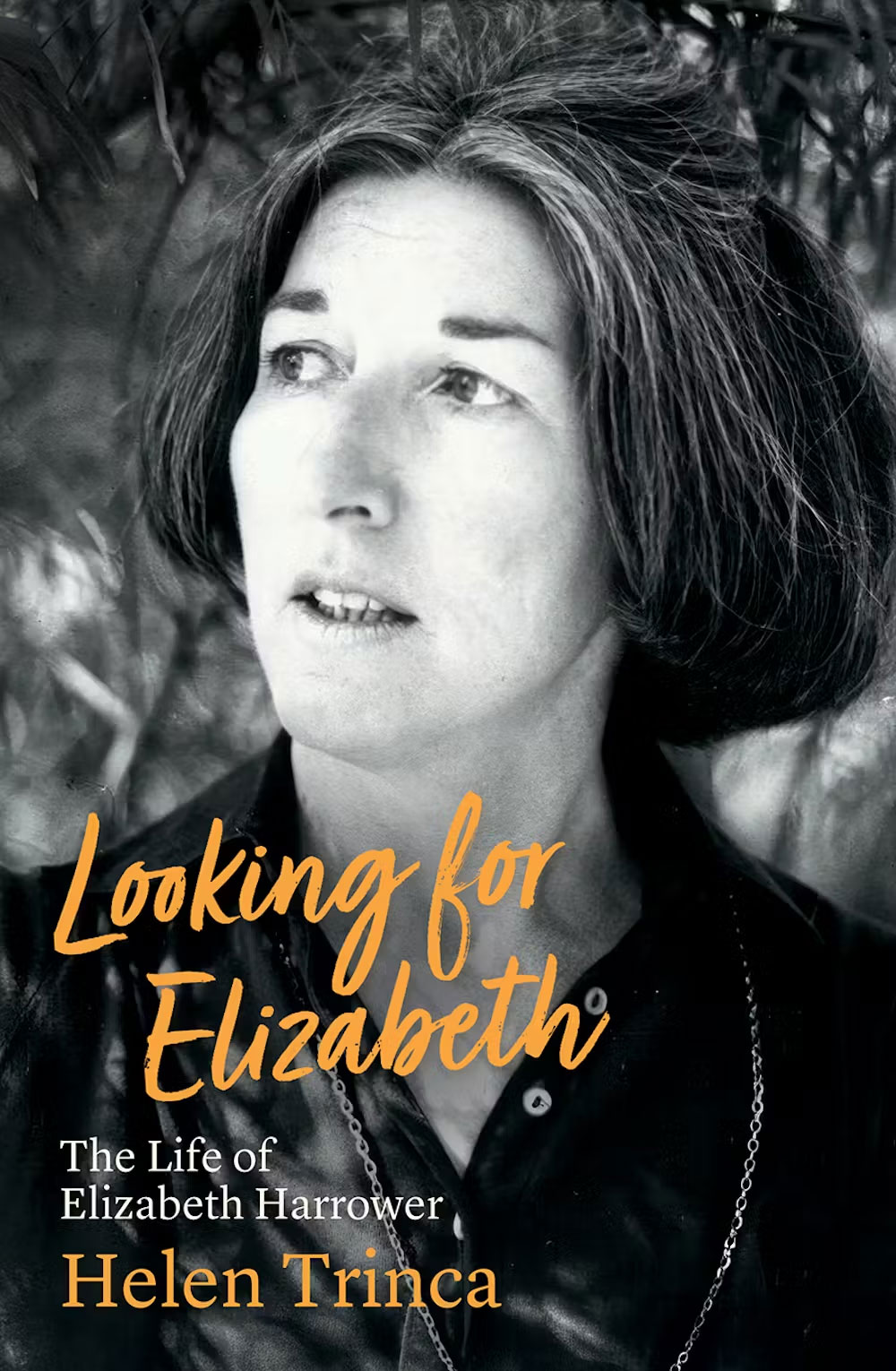
Looking for Elizabeth
In Looking for Elizabeth, Helen Trinca sets out to unravel the mystery of why Elizabeth Harrower, one of Australia’s most respected mid-20th century novelists, abruptly stopped writing at the height of her powers. Harrower’s sudden literary silence baffled her contemporaries, and for decades she lived out of the limelight.
Remarkably, in 2012, Harrower’s novels were rediscovered and republished, igniting a late-life renaissance. Trinca first met Harrower during this revival and was immediately intrigued by the question at the heart of Harrower’s story: Why would a gifted writer turn her back on her talent?
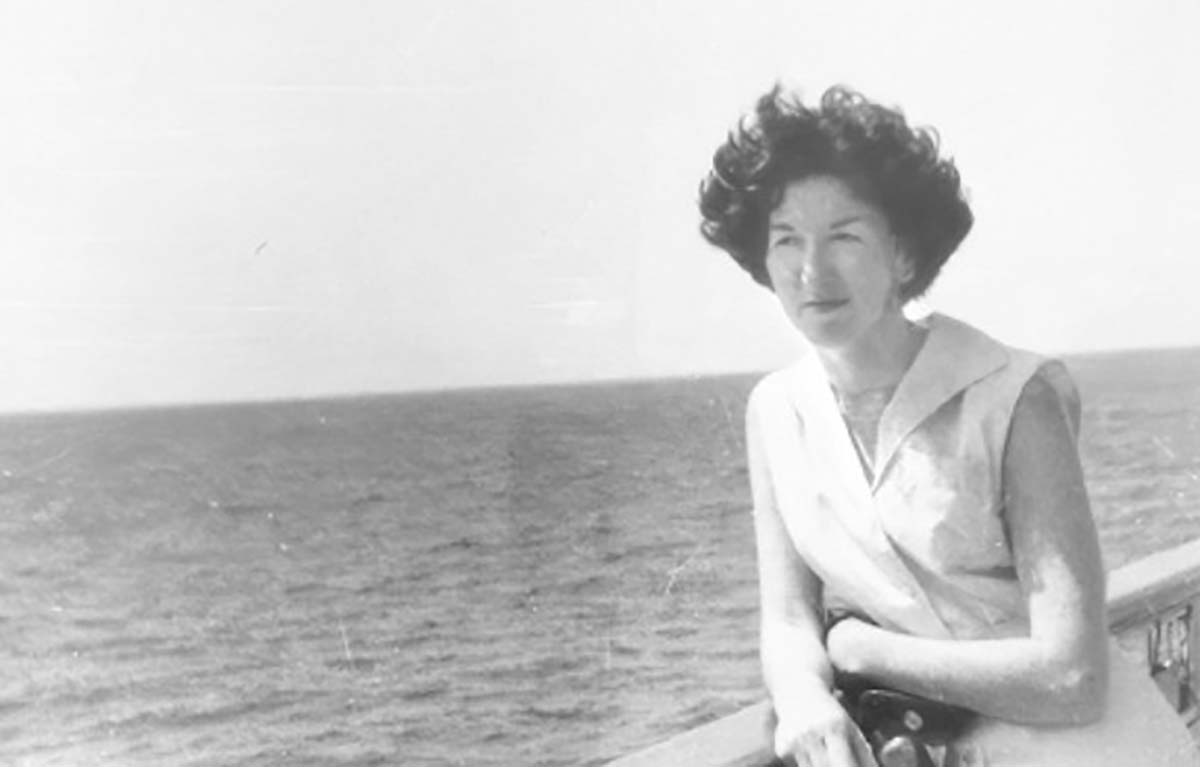
Elizabeth Harrower on board the Southern Cross, 1959
Trinca’s biographical approach unfolds chronologically, strategically revealing connections between Harrower’s traumatic childhood and her novels. Born to divorced parents in an era when divorce carried enormous stigma, Harrower identified herself, even in old age, as a ‘divorced child’.
Choosing the opening scene
Harrower’s difficult stepfather became the basis for the slightly monstrous, coercively controlling male characters populating her fiction. These themes of power, psychological abuse and the complex dynamics between men and women remain strikingly relevant today.
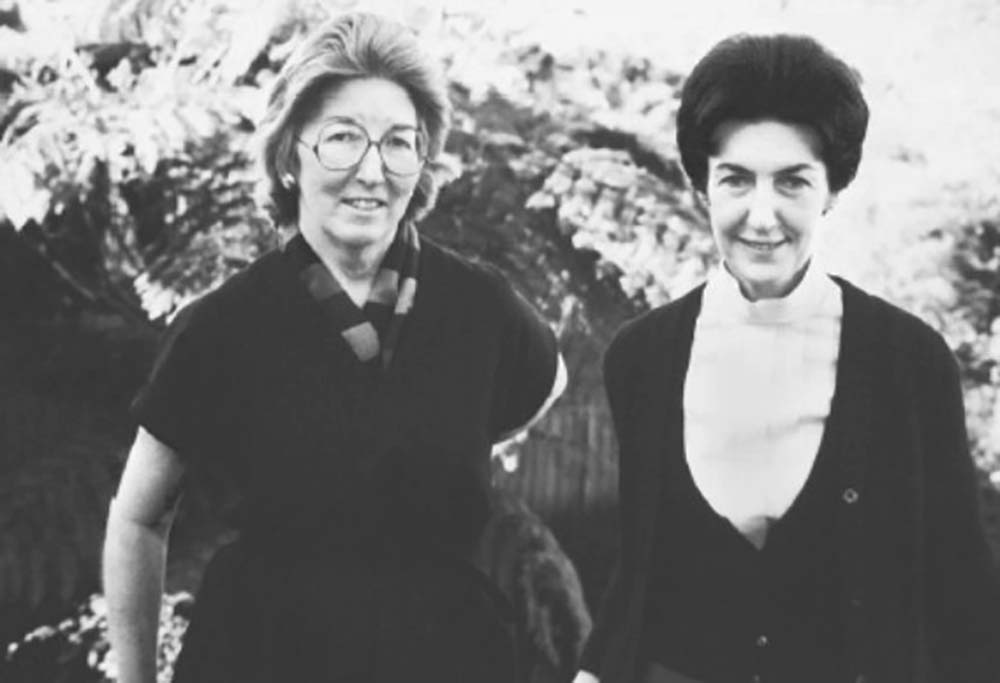
Elizabeth Harrower (left) with Shirley Hazzard in Look & Listen Magazine, 1984
The central mystery of why Harrower stopped writing has no single answer. Trinca discovered multiple factors: disappointment at not winning the Miles Franklin Award in 1966; the death of her mother in 1971; the enormous pressure from her mentor Patrick White to keep writing; and a deeply emotional relationship with fellow novelist Kylie Tennant that broke down in the early 1970s.
Elizabeth’s essence was in her books
Perhaps most significantly, through her intensely autobiographical fiction, Harrower had processed the childhood trauma she needed to work through. As novelist David Malouf suggested to Trinca, ‘Harrower may simply have said everything she needed to say in her first four perfect novels’.
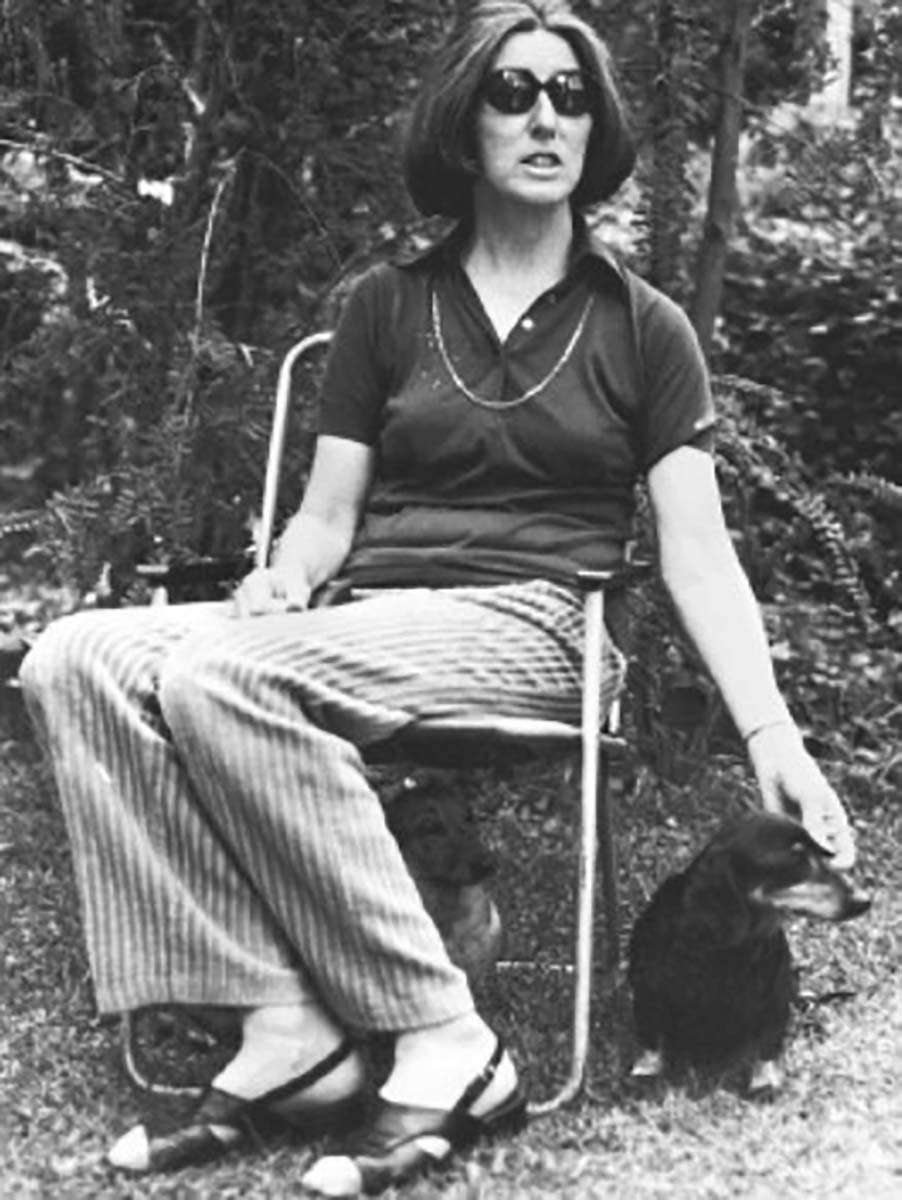
Elizabeth at Ferdi and Helene Nolte’s home in Hunters Hill, 1974
Trinca’s biography, built from extensive archival letters and oral histories, reveals a woman searching for life’s deeper meaning. Trinca presents not just a literary life but a profound exploration of how childhood shapes us, how we curate our identities and what constitutes a meaningful existence.
For readers, Trinca hopes the biography serves as a gateway back to Harrower’s novels, which ask ‘why’ about human behaviour and suffering. Trinca has given contemporary audiences the opportunity to discover an Australian literary treasure whose insights into power, relationships and survival speak directly to our times.
Praise: Looking for Elizabeth
A masterful deep dive into the enigmatic life of a writer who stunned and then stopped. This is a monumental addition to Australian literary biography that’s destined to become a classic.
—Nikki Gemmell
A biography that is every bit as beguiling and complex as its towering subject. Exacting, exhaustive and utterly essential. The more I read, the more compelled I felt to cut out a picture of Elizabeth Harrower and stick it above my writing desk.
—Trent Dalton
Looking for Elizabeth Media Coverage and Interviews
The Spectator UK (16 July 2025): Featured an international review praising Trinca for narrating Harrower's crowded, ‘sometimes confusing life’ with ‘effortless clarity and élan’, making the biography accessible to readers beyond Australia.
Whispering Gums (23 August 2025): A detailed book review noting that Looking for Elizabeth is Trinca’s second literary biography. The review also reveals Trinca’s challenges in writing about a subject who spent her life ‘curating her own story’.
The Sydney Institute: Published a review by Anne Henderson titled: A Writer, A Puzzle and A Search, describing the biography as ‘a page turner’ that tackles ‘the mystery that was Harrower with both empathy and revelation.
ABC Radio National: ‘Elizabeth Harrower: Solving a Literary Mystery.’
The Sydney Institute (21 July 2025): Helen Trinca appeared in conversation with poet and tax lawyer Geoffrey Lehmann in an event titled ‘Remembering Elizabeth Harrower’.
Gleebooks, Sydney (16 July 2025): Helen Trinca in conversation with critic Geordie Williamson at Gleebooks.
City of Perth Library (18 September 2025): Helen Trinca in conversation with literary expert Will Yeoman discussing Looking for Elizabeth.
The Women’s Club Sydney, August 2025.
Ramona, Northcote (19 November 2025): ‘Elizabeth Found: Helen Trinca in conversation with Judith Brett’. Trinca discusses the biography with political historian and biographer Judith Brett, whose latest book Fearless Beatrice Faust also features a complex Australian woman.
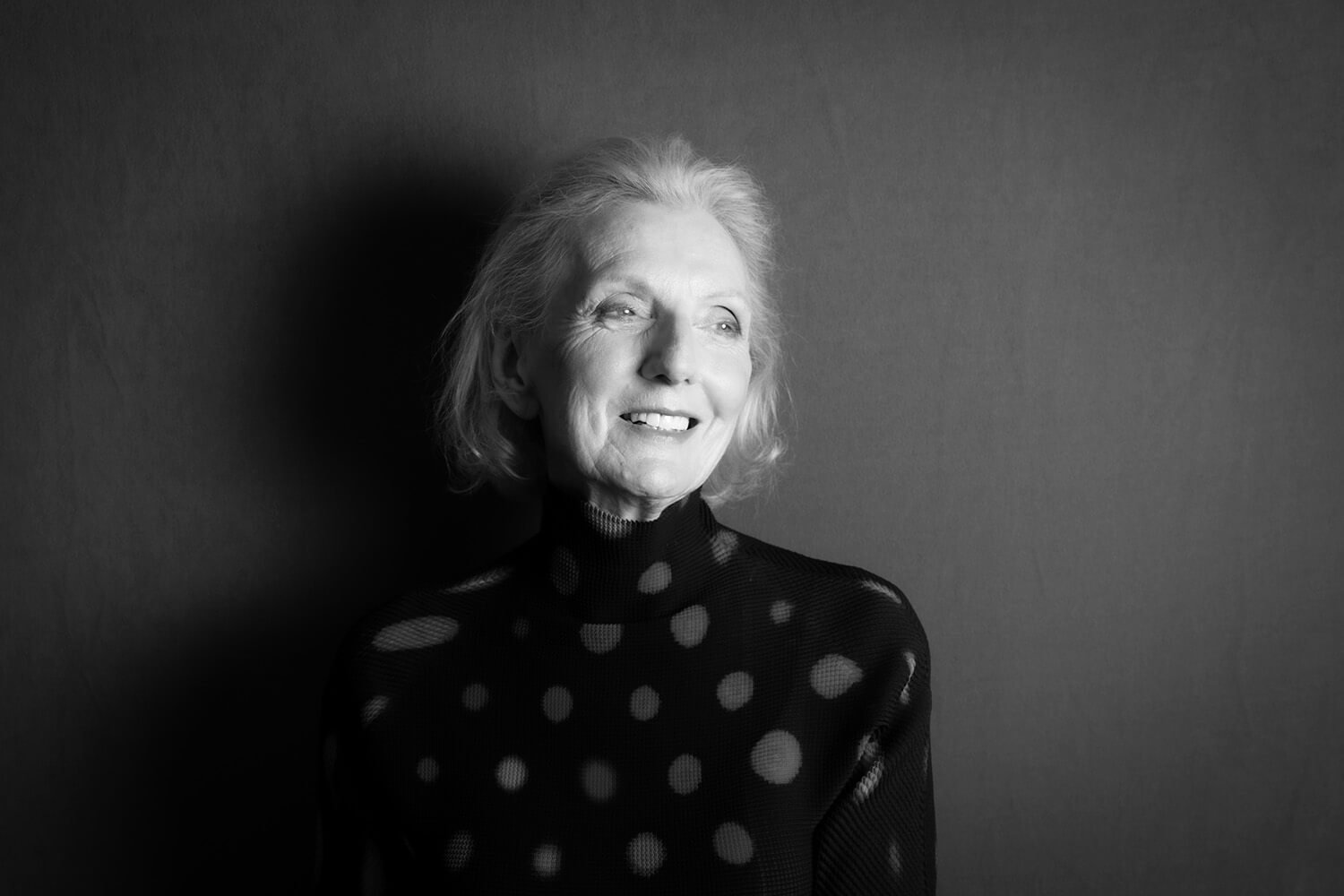
Helen Trinca’s biography of Madeleine St John was co-winner of the Prime Minister’s Prize for Non-fiction in 2014. As a journalist, she has held senior positions at The Australian, including deputy editor, managing editor, European correspondent and editor of The Weekend Australian Magazine.
To hear Helen Trinca’s full reflections on the mystery of Elizabeth Harrower, her literary legacy and the art of biography, listen now to the full episode of Biographers in Conversation.