





In this episode of Biographers in Conversation, Francesca Wade chats with Dr Gabriella Kelly-Davies about her choices while researching and crafting Gertrude Stein: An Afterlife. ‘Think of the Bible and Homer, think of Shakespeare and think of me’, wrote Gertrude Stein in 1936. Admirers called Gertrude Stein a genius, sceptics a charlatan: she remains one of the most confounding and contested writers of the 20th century..
Shortlisted: The American Library in Paris Book Award, 2025
A Book of the Year: Guardian, Spectator, Telegraph, Independent, Artforum, Washington Post Book World and NPR’s Fresh Air
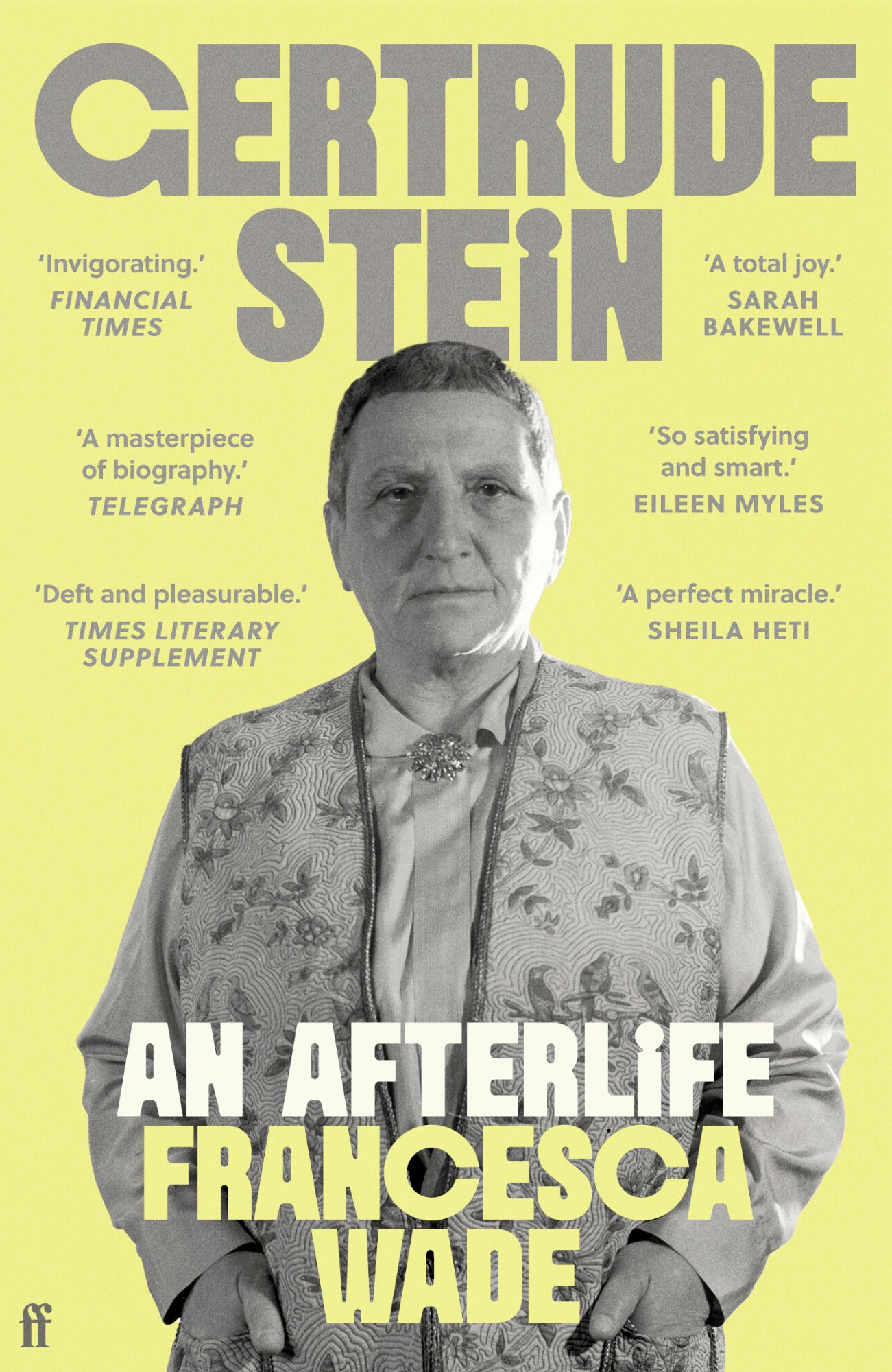
Gertrude Stein: An Afterlife
While some scholars view Gertrude Stein as a radical writer who went further than anyone else to change ideas of what literature can be, others see her as a personality and emblem of the golden age of 1920s Paris. This binary reputation frustrated Stein. However, it intrigued Francesca Wade, serving as her starting point in researching Stein’s life and legacy.
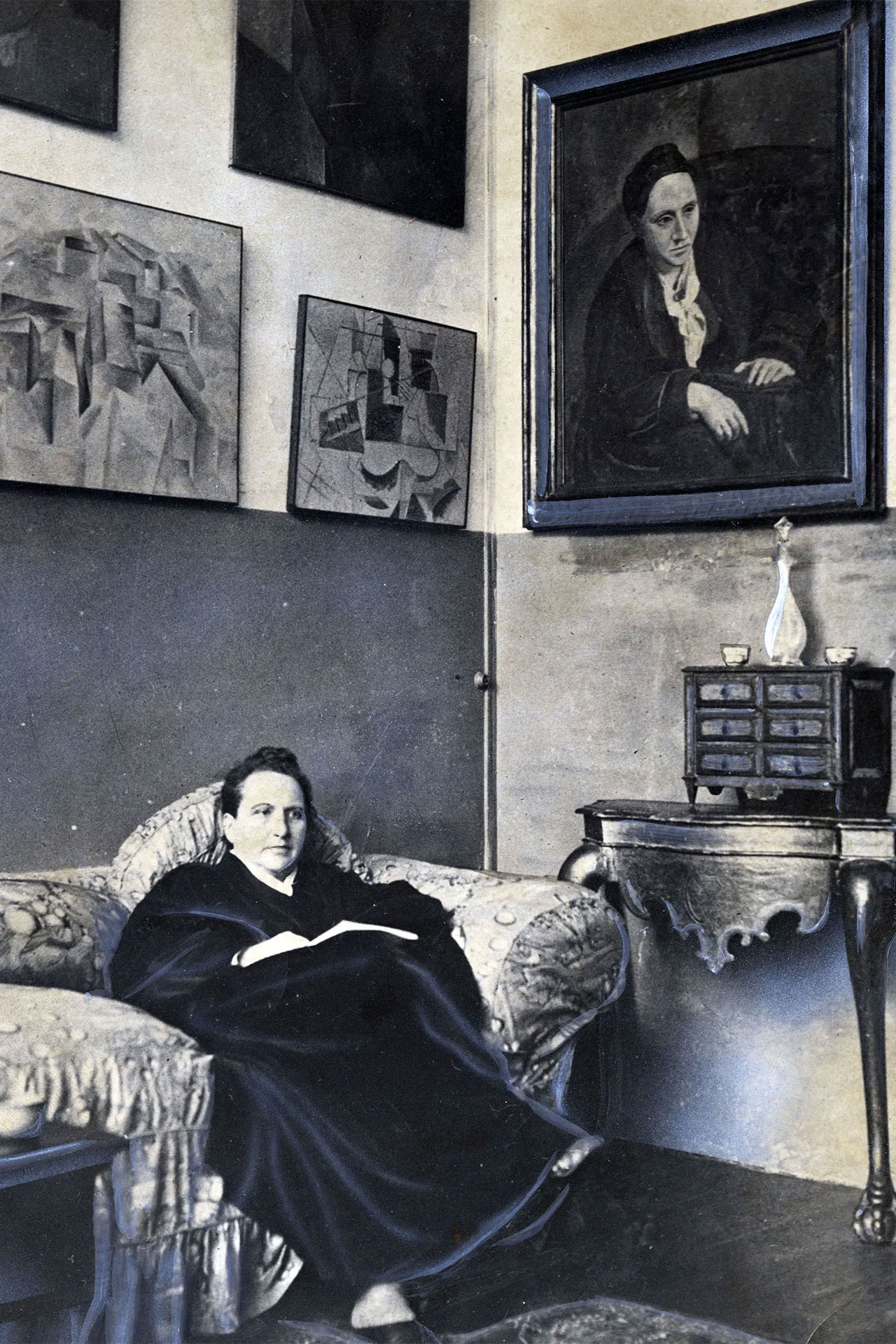
Gertrude Stein in her Paris studio with Pablo Picasso’s portrait of her hanging on the wall behind her, May 1930.
Rather than a desire to write another biography of Gertrude Stein, Wade’s literary journey began with access to Leon Katz’s long-rumoured interviews from the 1950s with Stein’s lifelong partner, Alice B. Toklas. These interviews revealed the origins of Stein’s modernist writing and new depths to the storied relationship that made it possible.
Confronted with a writer whose life has been thoroughly documented yet persistently misread, Wade became less interested in repeating the familiar legend of Stein the enigmatic modernist and more intrigued by how that legend was made: by Stein herself, Toklas, archivists, scholars and biographers across generations.
In Gertrude Stein: An Afterlife, Francesca explores the creation of the ‘Stein myth’. We see Stein posing for Picasso’s portrait; at the centre of Bohemian Parisian life hosting the likes of Matisse and Hemingway; racing through the French countryside with Toklas; and dazzling American crowds on her sell-out tour about her sensational, The Autobiography of Alice B. Toklas.
Stein longed to be remembered for her literary works rather than the larger-than-life-personality she projected to the world. From her deathbed, she charged Toklas with securing her place in literary history.
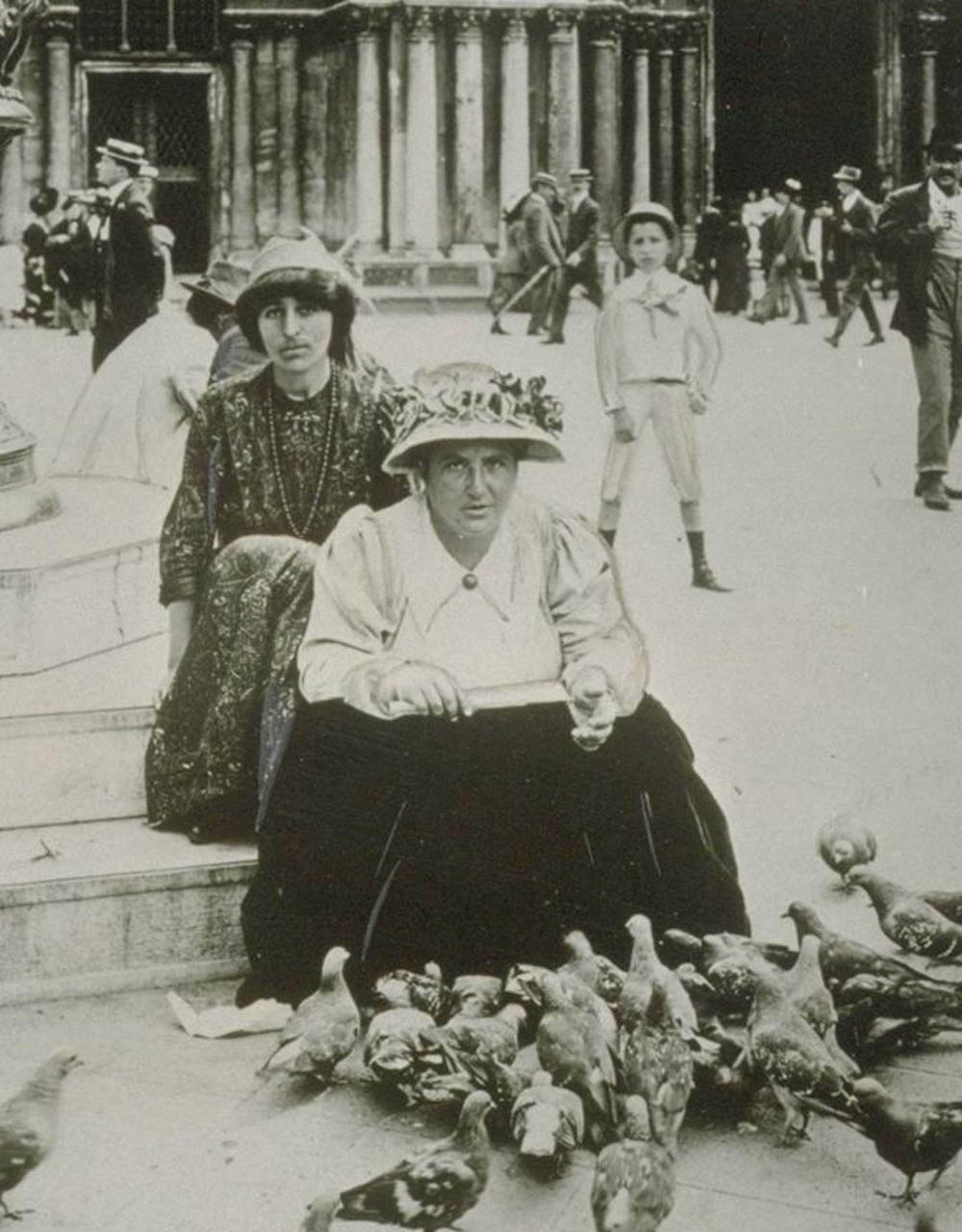
Gertrude Stein and Alice Toklas in Venice, 27 March 1908.
An Afterlife represents a bold experiment in the biographical form, sharing Stein’s story through the lens of her posthumous legacy. Francesca Wade explores Stein’s self-mythologising, her determination to achieve renown for her avant-garde writing, and Toklas’s fraught stewardship of her partner’s posthumous legacy.
Vitally, Francesca explores the construction of a biography and the way literary reputations are established and cemented. She also examines the forces that can be harnessed to change the direction of a writer’s intellectual inheritance.
Converting the Messiness and Hugeness of a Life into Narrative
An Afterlife is a chain of performances, negotiations and omissions rather than a transparent window. It is divided into two sections. The first half relates Stein’s story through the versions she crafted in The Autobiography of Alice B. Toklas, her memoirs and the carefully staged persona she presented to visitors and photographers.
The biography’s second half explores Toklas’s decades as steward and gatekeeper of Stein’s papers and Donald Gallup’s dilemmas as Yale’s archivist. It also examines Katz’s ethically fraught interviews and the scholars and critics who re-situated Stein within feminist and queer traditions.
Francesca Wade’s willingness to challenge conventional biographical forms has established her as one of the most innovative voices in contemporary biographical writing
An Afterlife is an authentic and authoritative of analysis of what biography can and cannot do. Francesca reflects on the subjectivity of archives, as illustrated by Toklas’s attempts to burn love letters between her and Stein; the decision to seal rather than destroy them; and annotated biographies Toklas sent to Yale as a form of counter-testimony. These examples suggest that what survives in an archive is curated memory rather than neutral evidence.
Over the course of crafting the biography, Francesca’s relationship with Stein changed from facing a daunting ‘myth and monument’ to recognising two flawed, funny, deeply committed partners whose love made Stein’s literary works possible. Francesca offers a compelling case study in adventurous life-writing, a book that honours Stein’s radical experiments with language by allowing the biography itself to become an experiment in how we know, remember and narrate a life that resists being pinned down.
Praise for Gertrude Stein: An Afterlife
‘Strikingly accomplished . . . utterly compelling.’
SUNDAY TIMES
‘A masterpiece of biography.’
DAILY TELEGRAPH
‘A total joy to read.’
SARAH BAKEWELL
‘I feel like I’ve been waiting for this book my whole life.’
SHEILA HETI
Gertrude Stein: An Afterlife Media
‘The Self-Mythologising of Gertrude Stein’
Financial Times, May 2025.
‘Gertrude Stein and the problems of celebrity’
Prospect, May 2025.
‘The Timeless Enigma of Gertrude Stein’
Frieze, May 2025.
‘If you enjoy it, you understand it: how to read Gertrude Stein’
Telegraph, February 2024.
Introduction to Every Day Is To-Day: Essential Writings by Gertrude Stein
Pushkin Press, 2023.
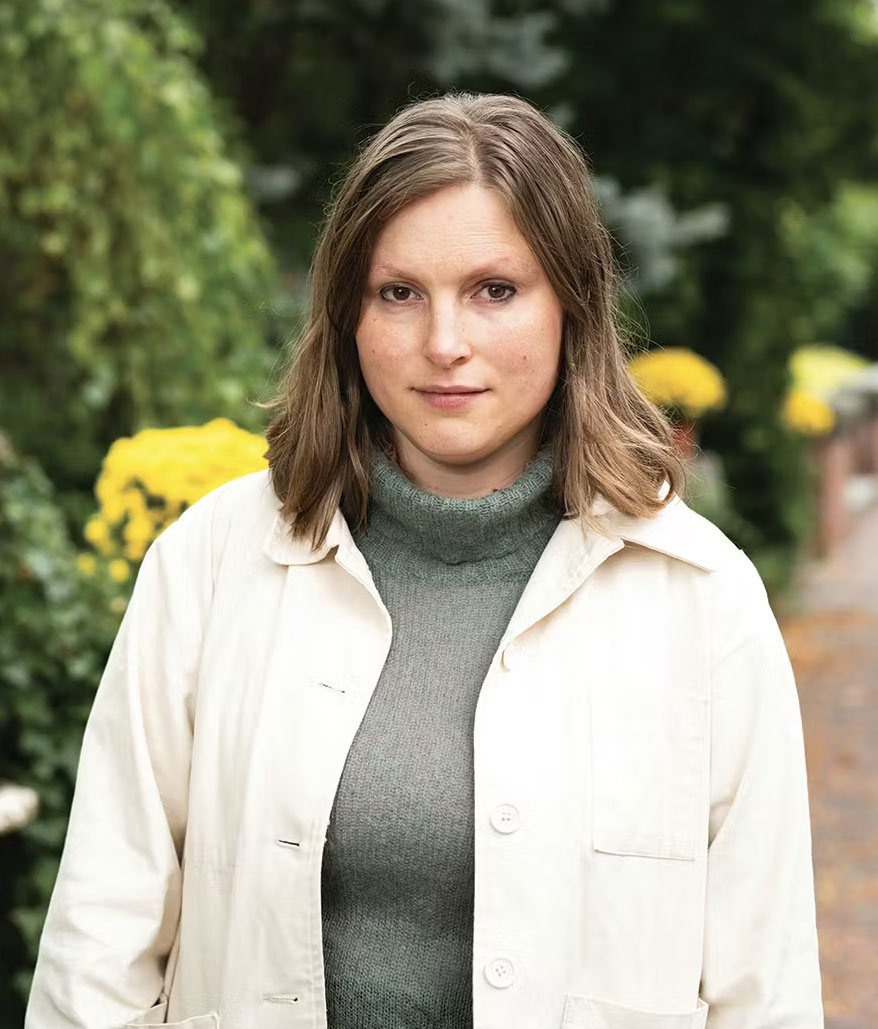
Francesca Wade is the author of Square Haunting: Five Women, Freedom and London Between the Wars (2020) and Gertrude Stein: An Afterlife (2025). She has held fellowships at the Leon Levy Center for Biography, the Dorothy and Lewis B. Cullman Center for Scholars and Writers at the New York Public Library, and the Harvard Radcliffe Institute. Her writing has appeared in the New York Review of Books, London Review of Books, Paris Review and Granta.
To Learn More About Francesca Wade You’ll Find Her Here:
https://www.francescawade.com/about