





In this episode of Biographers in Conversation, Professor Emeritus Mark Hussey chats with Dr Gabriella Kelly-Davies about his choices while researching and crafting Mrs Dalloway: Biography of a Novel.
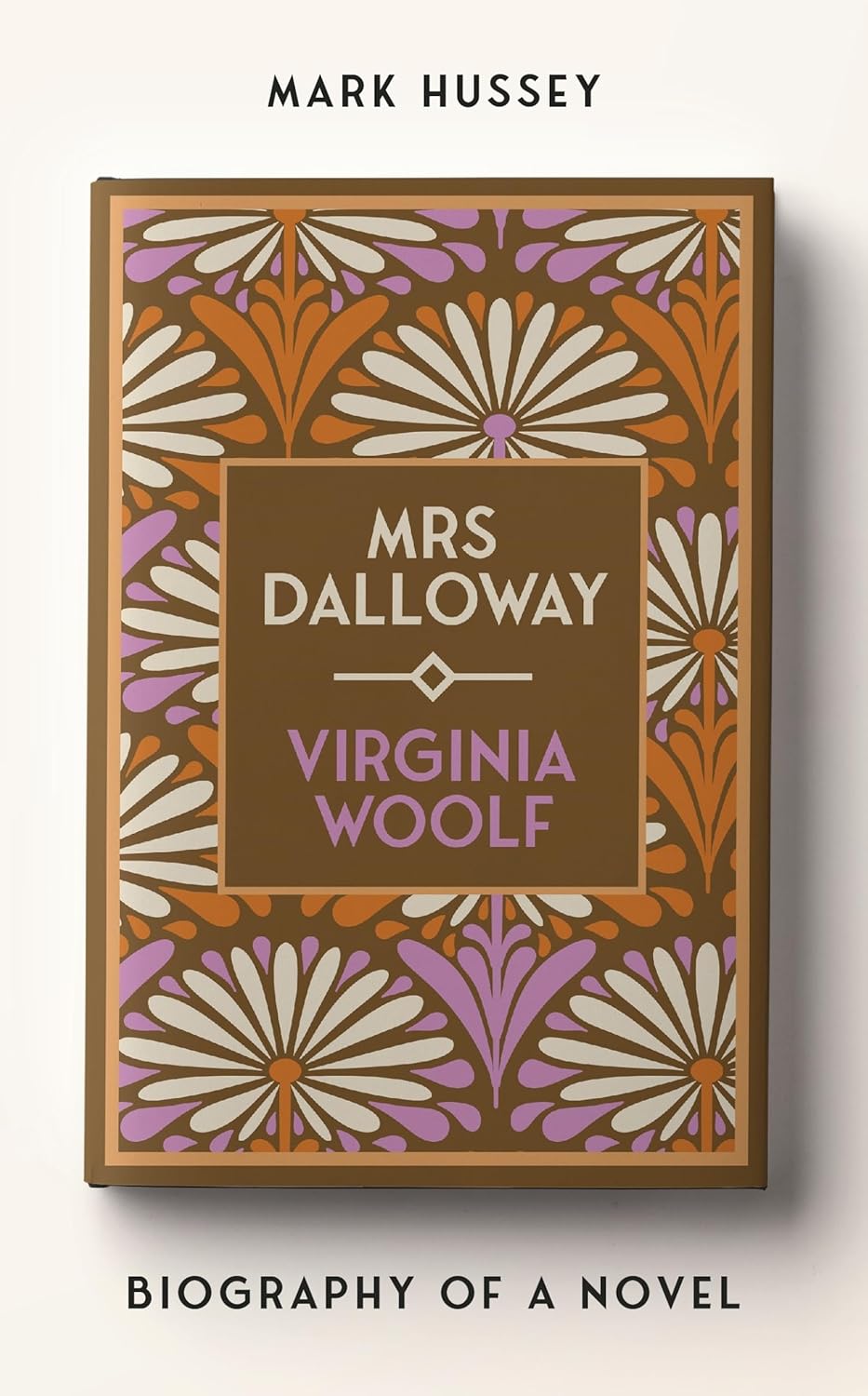
Mrs Dalloway: Biography of a Novel
Virginia Woolf’s Mrs Dalloway, published in May 1925, stands as one of literature’s most enduring innovations. A novel that remains perpetually alive, it still generates artistic responses across genres and media a century later. Yet remarkably, this groundbreaking work emerged from ideas Woolf had been developing for years, crystallising into its distinctive form only after she achieved a crucial milestone: discovering, at the age of 40, how to say something in her own voice.
Mark Hussey’s Mrs Dalloway: Biography of a Novel, takes an unprecedented approach to literary history by treating Woolf’s masterpiece as a living subject with its own evolving story rather than a finished text to be analysed. Published exactly 100 years to the day after the novel appeared, the book inaugurates a Manchester University Press series devoted to biographies of classic novels.
The Role of a Literary Biographer
Mrs Dalloway: Biography of a Novel follows the novel from its first creative stirrings through conception, composition, revision, publication, critical reception and its extraordinary ongoing afterlife. Unlike traditional literary criticism or author biography, this approach keeps readers focused on the fiction itself as it emerged from Woolf’s imagination and subsequently spread through global readership, inspiring countless artistic reinventions.
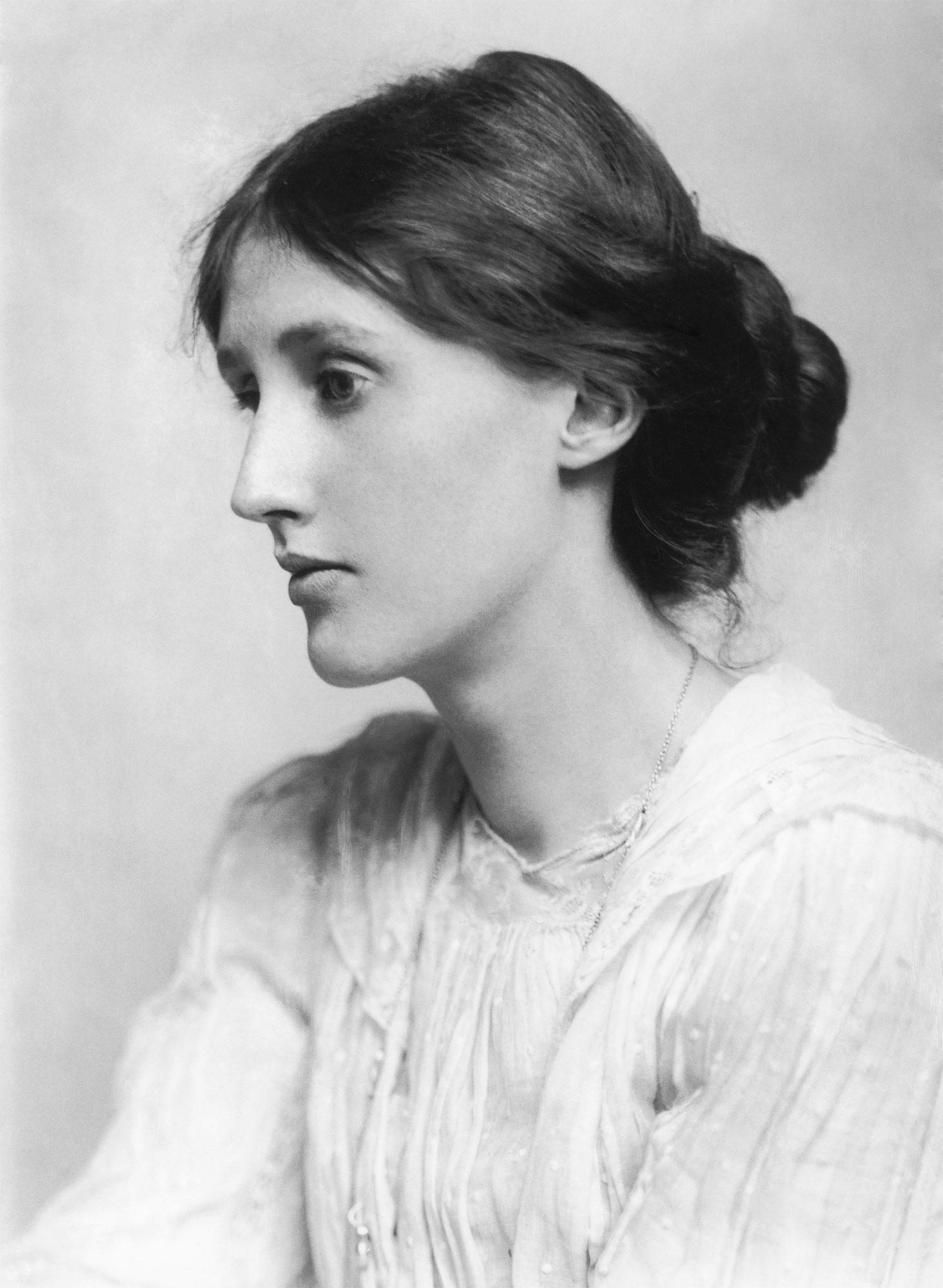
Virginia Woolf in 1902
Credit: George Charles Beresford
What emerges from Hussey’s research is a portrait of an author writing with newfound confidence, sustained by access to a transformed living space. When Leonard and Virginia Woolf finally moved back to London from suburban Richmond in 1924, just as Mrs Dalloway entered its final stages, Virginia experienced profound relief and joy. No longer bound by train schedules or suburban isolation, she could venture freely to parties, museums and theatres. This reclaimed urban existence directly infused the novel’s opening pages, where Clarissa Dalloway steps into a gorgeous June morning full of delight and ready to plunge into the life of the city.
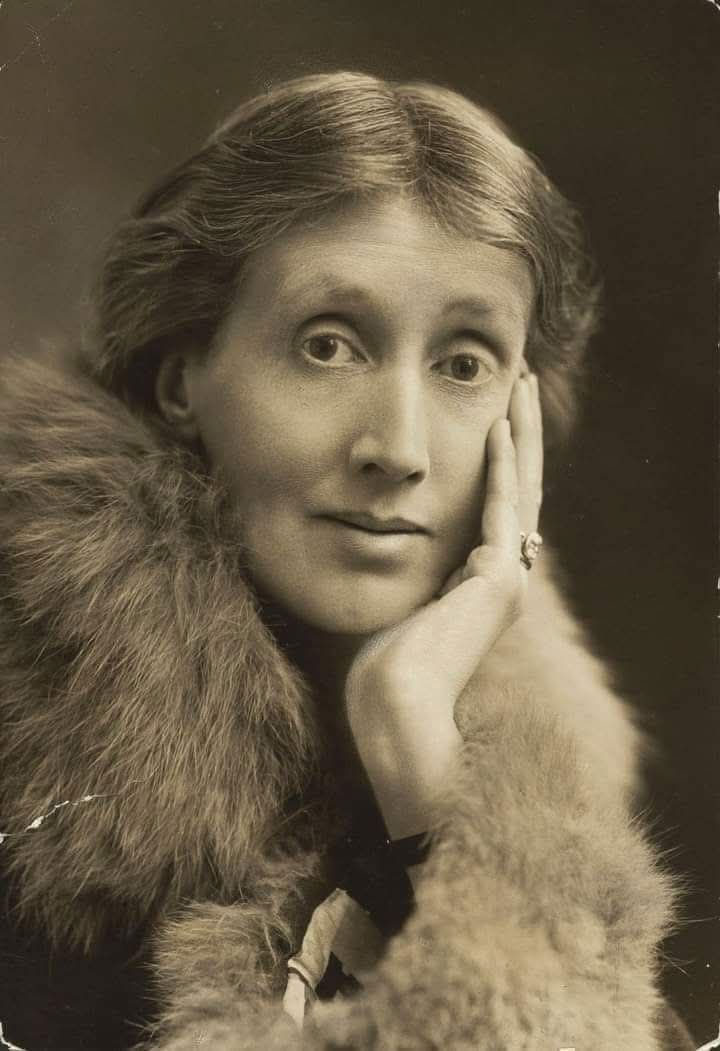
Virginia Woolf 1927
Woolf’s diaries proved invaluable to understanding her creative process. She used them as a workshop for solving aesthetic problems, providing unusually articulate commentary on her intentions, struggles and triumphs. These reflections reveal a writer oscillating between confidence and doubt, buoyed by Leonard’s declaration that Jacob’s Room was a work of genius, then momentarily dashed when T.S. Eliot praised James Joyce, only to recover and press forward.
Crafting the Closing Scene Given Mrs Dalloway the Novel is a Living Subject
Woolf had determined from the outset, as she noted in her diary on 6 October 1922, that all must converge upon the party at the end, a structural conviction she would realise in the novel’s culminating scene.
Perhaps most striking is what Hussey reveals about the novel’s profound relevance to our present moment. Set five years after World War I, Mrs Dalloway captures a society attempting to move past collective trauma. The novel also absorbs, without explicitly naming it, the 1918 influenza pandemic that followed immediately upon the war’s devastation.
This structure of visible threat and invisible danger resonates powerfully now as contemporary readers confront ongoing global instability and the aftermath of COVID-19. These themes speak directly to our contemporary experience of vulnerability and persistent dread.
One hundred years on, Mrs Dalloway demonstrates why biography itself remains an endlessly renewable form. As Hussey concludes, the novel’s biography is ongoing, continually constructed through new readings, adaptations and interpretations that reveal fresh dimensions with each generational encounter. In chronicling this remarkable novel’s unfolding life, Hussey invites us to reconsider not just what Woolf wrote, but why it continues to matter.
Praise for Mrs Dalloway: Biography of a Novel
‘Such personal touches, and the author’s almost palpable enthusiasm, enhance a lively and well-drawn portrait of the novel’s conception, birth and afterlife.’
Vanessa Curtis, Times Literary Supplement
‘As the scholar Mark Hussey explains in his fascinating new book, Woolf was drawing on several streams of experience in her attempt to write the interior lives of an upper-class hostess and a shell-shocked veteran.’
Harriet Baker, The Times
‘Full of delightful details.’
Zoe Guttenplan, Literary Review
‘This engaging and clever book by Hussey now joins what he calls the "sprawling conversation" between the critics and readers of Mrs Dalloway. As an avowed Woolfian, he writes with warmth and empathy, but never at the expense of grappling with tricky issues. In his hands, the story of Mrs Dalloway over the past century is a compelling tale of literary reputations and cultural players.’
Helen Rees Leahy, Virginia Woolf Bulletin
‘Hussey’s study is a love letter to its subject in all the right ways: accessible and jargon-free, fond but not fawning, curatorial but never pedantic, honest yet unfailingly tactful.’
Donna Rifkind, Metropolitan Review
‘Ultimately, Mrs Dalloway: Biography of a novel is more than just a behind-the-scenes look at a book - it’s a celebration of Woolf’s brilliance and a reminder of why her work still resonates so deeply. Whether you’re a long-time Woolf fan or just starting to explore her writing, Hussey’s book will make you appreciate Mrs. Dalloway all over again.’
Trevor Berrett, The Mookse and the Gripes
‘Mark Hussey’s Mrs Dalloway: Biography of a novel contains the whole world of Woolf’s novel: contexts, influences, creation, criticisms. With immaculate scholarship and amazingly wide-ranging, the biography reads like a collection of fascinating short stories. A must buy!’
Maggie Humm, author of The Bloomsbury Photographs
‘One hundred years after the publication of Mrs Dalloway, Mark Hussey has written an incisive biography of Woolf’s novel, one that’s as multifaceted and searching as its subject. Hussey’s book is a gift to readers hoping to learn more about the conception, birth and enduring life of a profoundly influential work of art.’
Katharine Smyth, author of All the Lives We Ever Lived
‘Even genius must revise, revise, revise. In this fascinating study, Mark Hussey provides not only behind-the-scenes glimpses of Virginia Woolf at work, but an examination of the novel’s complicated reception and still-widening influence. Like the leaden circles of sound formed by Big Ben in Mrs Dalloway’s London: "Out it boomed." Woolf’s memorable style, social critique and experiments with point of view have left room for generations of readers to interpret the novel in their own evolving ways: the definition of a classic.’
Regina Marler, editor of The Selected Letters of Vanessa Bell
‘A remarkably thorough, thoughtful, even affectionate book. The publishing section is particularly illuminating and confirms that it’s never been easy to publish ground-breaking work!’
Lennie Goodings, Chair, Virago Press
‘Mark Hussey’s biography of Mrs Dalloway is a unique account of how the book came to be, the knowledge and experience that went into it, and the way the world has responded to it. Focused in detail and expansive in scope, it is also a pleasure to read.’
Edward Mendelson, Lionel Trilling Professor in the Humanities, Columbia University
‘Mark Hussey’s fascinating biography of Mrs Dalloway is truly astounding in its encyclopaedic range and depth: taking the reader on a riveting journey through the composition, publication and global afterlives of this iconic novel.’
Anna Snaith, Professor of Twentieth-Century Literature, King’s College London
‘Essential reading for anybody who loves Mrs Dalloway, this beautifully written book, full of original research and new insights, skilfully tells the story of Mrs Dalloway from the very first drafts of the novel through to its legacy today. Mark Hussey wears his considerable scholarship lightly, making this an important and fascinating contribution to academic studies but at the same time a book so compelling that you don’t want to put it down.’
Wendy Hitchmough, author of Vanessa Bell: The Life and Art of a Bloomsbury Radical
‘It is a rich and engaging narrative that synthesizes a great deal of past scholarship alongside occasional nuggets of original insight. While it may be most satisfying for newer Woolf enthusiasts, seasoned Woolf scholars will find it worth a look, if only for the sheer breadth of sources upon which it draws.’
Julia Dallaway, Modernism/modernity.
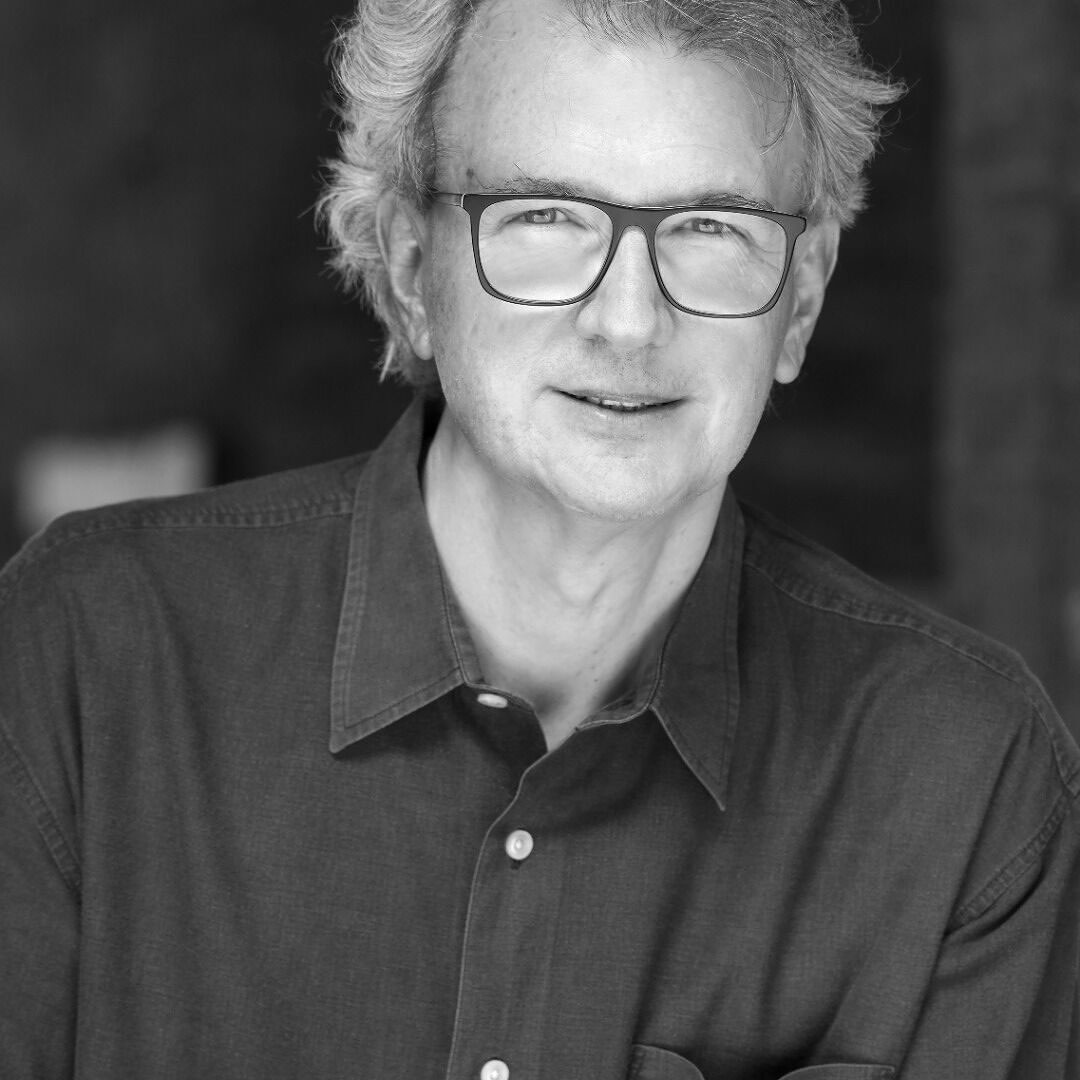
Mark Hussey has published widely on Virginia Woolf and the Bloomsbury Group. He is General Editor of the Harcourt Annotated Edition of the Works of Virginia Woolf (for which he edited To the Lighthouse); on the editorial board of the Cambridge Edition of the Works of Virginia Woolf (for which he edited Between the Acts); and a co-editor of Virginia Woolf Miscellany. Modernism’s Print Cultures, which he co-wrote with Faye Hammill was published in 2016 as part of Bloomsbury Academic’s New Modernisms series.
His recent publications include Clive Bell and the Making of Modernism (2022) and Selected Letters of Clive Bell: Art, Love & War in Bloomsbury (2023).