





In this episode of Biographers in Conversation, Dr Nigel Hamilton, one of the foremost biographers of our time, chats with Dr Gabriella Kelly-Davies about his choices while researching and writing Lincoln vs. Davis: The War of the Presidents.
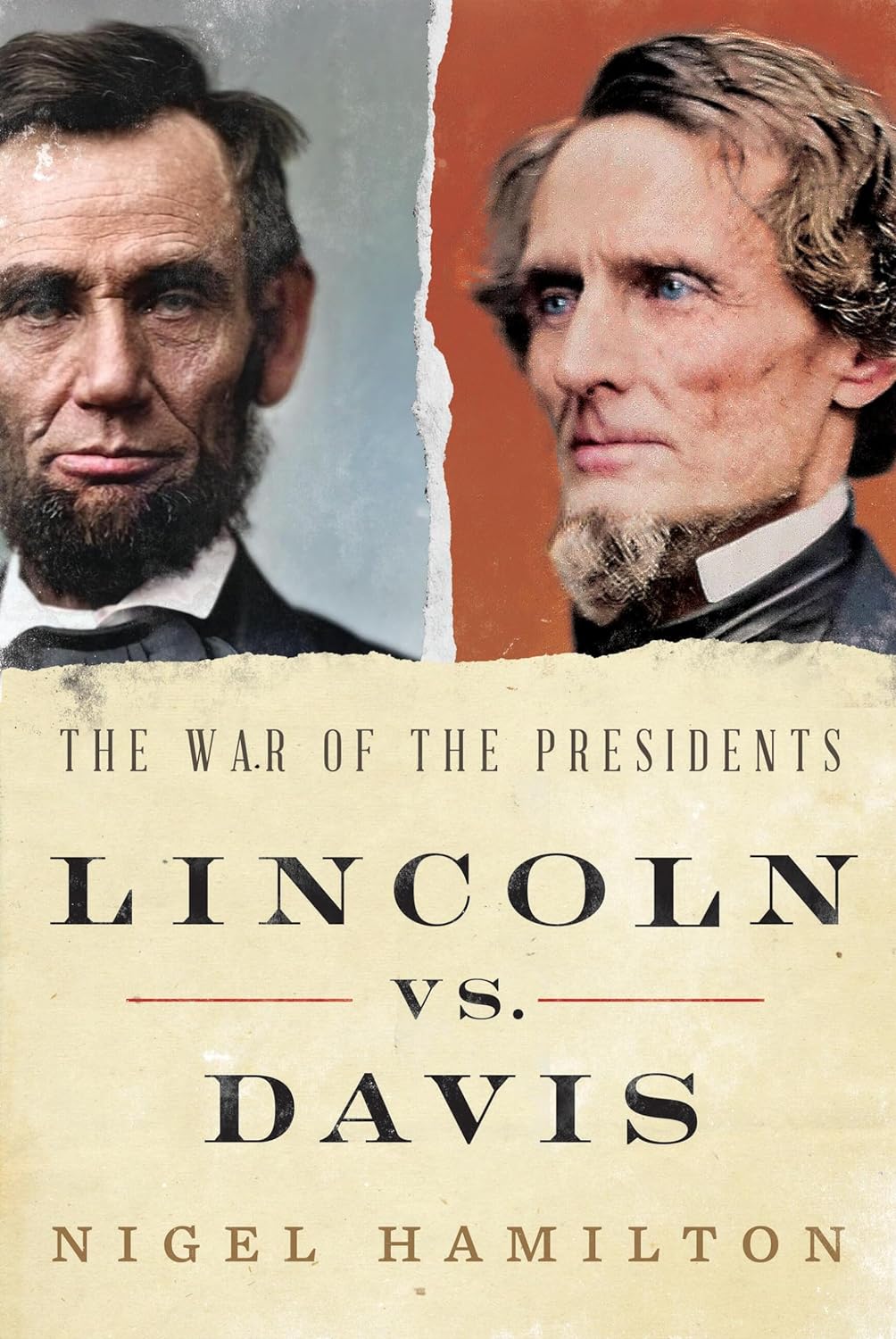
SHORTLISTED FOR THE 2025 GILDER LEHRMAN LINCOLN PRIZE
Lincoln vs. Davis
Lincoln vs. Davis is the greatest untold story of the American Civil War: how two American presidents faced off as the fate of the nation hung in the balance, and how Abraham Lincoln came to embrace emancipation as the last, best chance to save the Union.
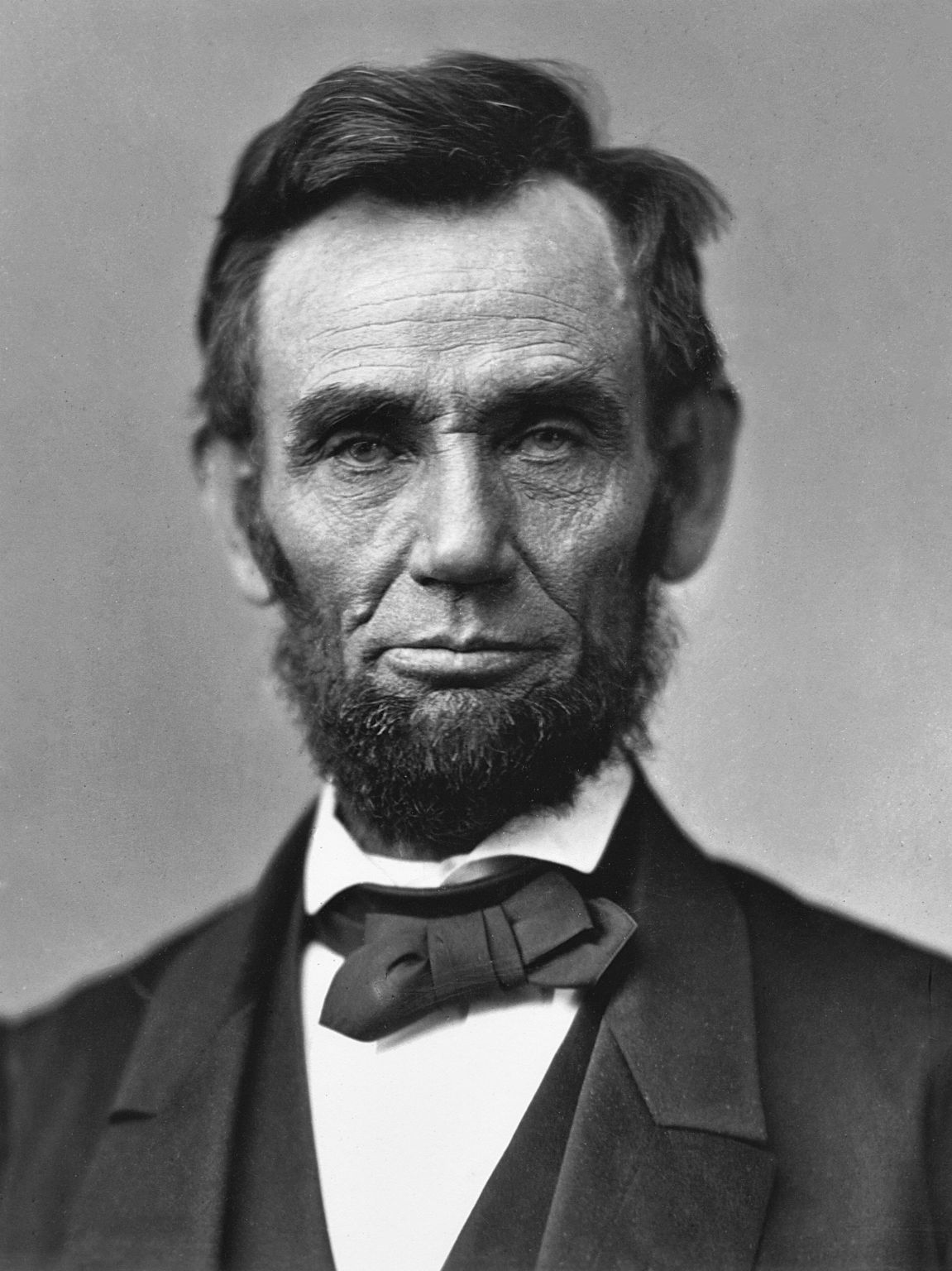
Abraham Lincoln, the sixteenth President of the United States, 1863.
Source: Wiki Commons.
Nigel Hamilton’s journey to Lincoln vs. Davis reveals how biographical enquiry often follows unexpected paths. Initially commissioned to write ‘Lincoln at War’, he reconsidered after a dinner conversation in New Orleans, a city where lingering Southern sensibilities meant that asking ‘What about our president?’ was a pointed reminder that he was telling an incomplete story. The result is a psychologically acute examination that transcends military history to become a meditation on political leadership, character and the human dimensions of war.
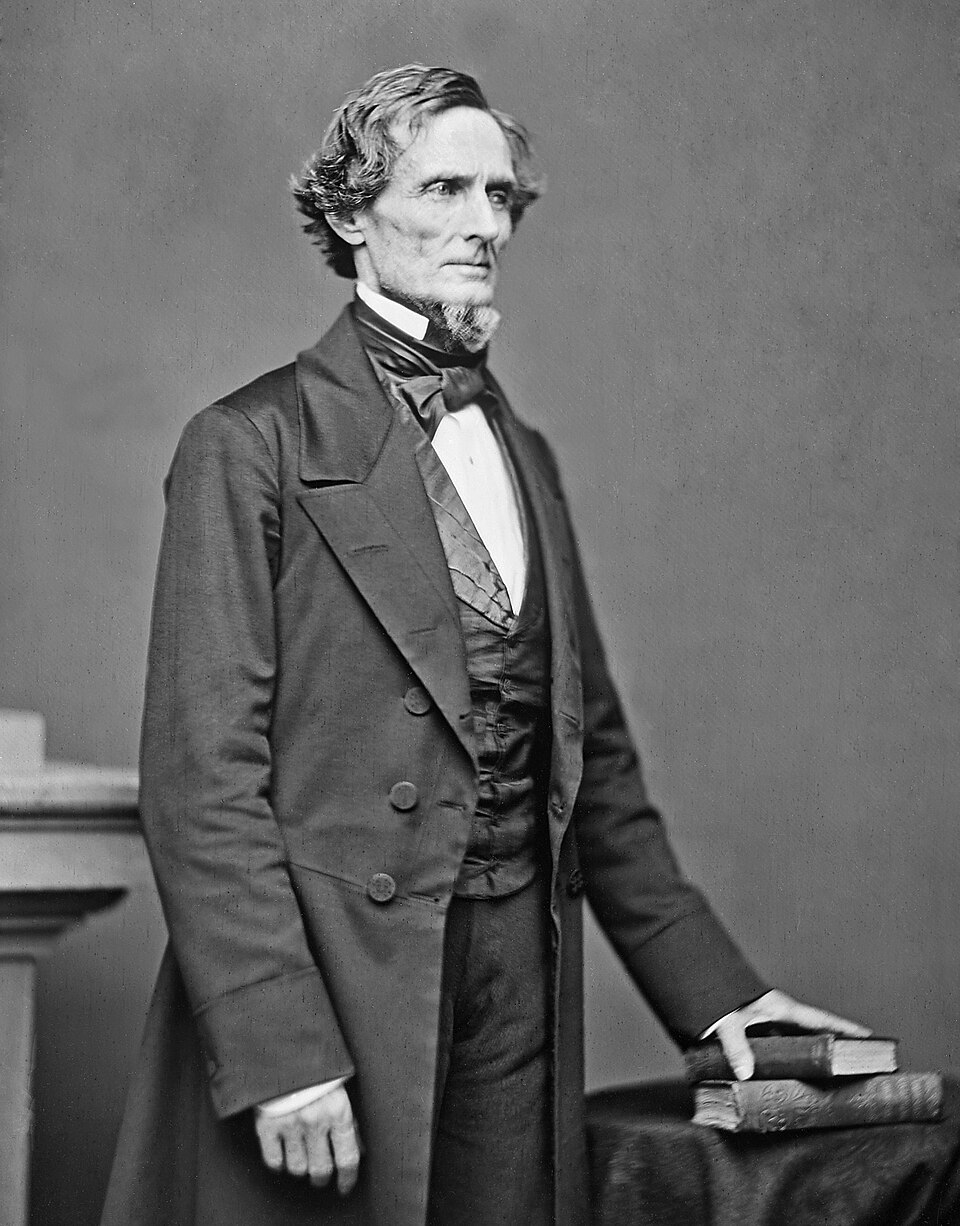
S. Senator Jefferson Davis, the first and only President of the Confederacy, 1859.
Source: Wiki Commons.
What distinguishes Hamilton’s approach is his willingness to challenge received wisdom. Lincoln, the American hero canonised in textbooks and the popular imagination, emerges as surprisingly indecisive. Just one of many examples is how he appointed a 34-year-old captain with virtually no combat experience to supreme command, then refused to fire him when the officer disobeyed direct orders.
Biographers are Detectives
By contrast, the Confederate’s momentum following victories such as Harrison’s Landing set the stage for Lincoln’s political genius: recognising that when Robert E. Lee issued a proclamation claiming to liberate Northerners in Maryland, he could counter with his own transformative proclamation freeing 3.5 million enslaved people.
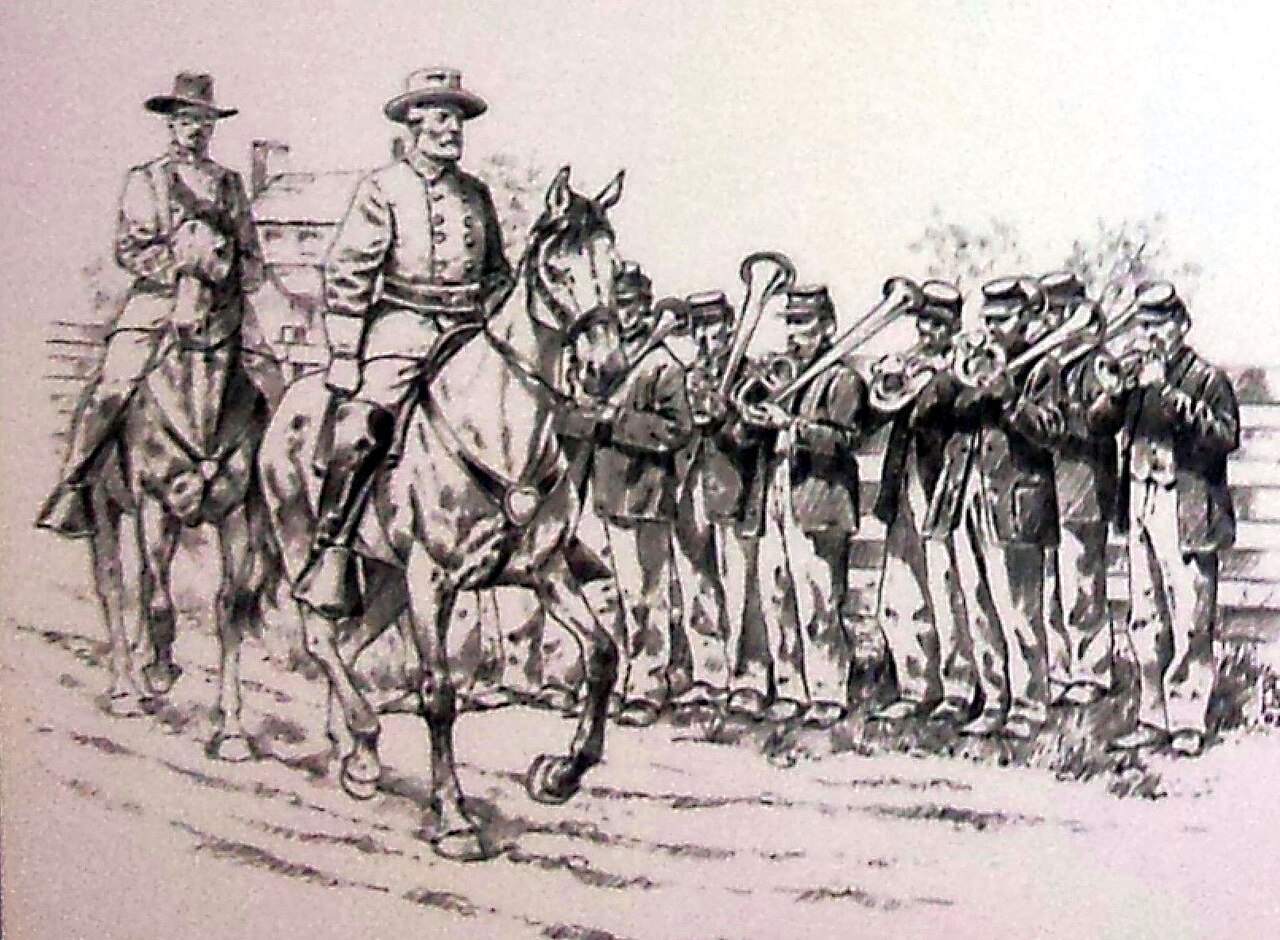
Civil War drawing of General Robt E Lee going to surrender with military band, 1865.
Source: Wiki Commons.
Lincoln vs. Davis gains depth through its quadruple focus, encompassing Lincoln and Davis and their wives, Mary Lincoln and Varina Davis. These women experienced torn family loyalties and lost children in opposing White Houses. They also shared the same dressmaker, Elizabeth, a free Black woman caught between two warring first ladies. These intimate details humanise the conflict while revealing how close the Union came to collapse.
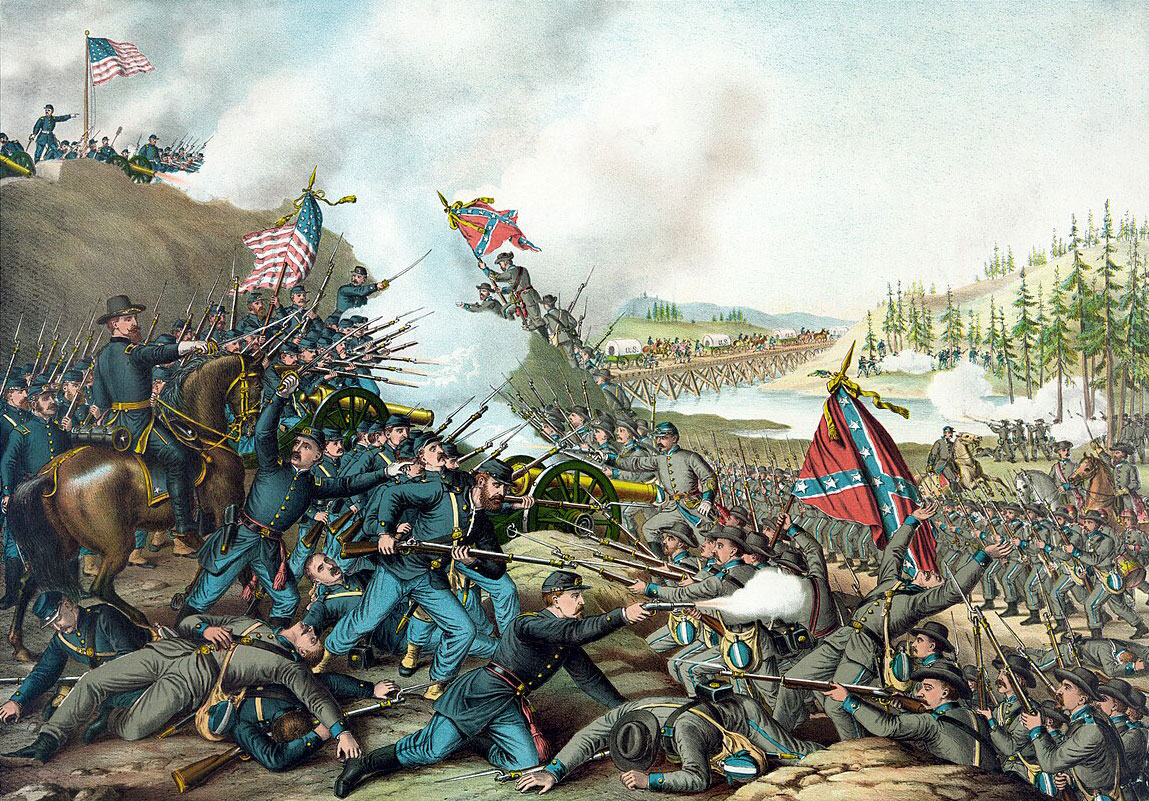
‘Battle of Franklin’, November 30, 1864.
Source: Wiki Commons.
Hamilton’s outraged authorial voice, as he candidly describes it, propels the narrative with a moral urgency. Rather than presenting the Civil War as an inevitable Union victory, he exposes the contingency of history, the terrible decisions that nearly cost the North the war, and the strange accident by which Lincoln’s political instincts finally seized upon emancipation as both a moral imperative and military necessity. This corrective approach, which Hamilton theorises as ‘biography as corrective’, demonstrates how biographers can penetrate historical cover-ups and refuse the simplified narratives that pass for scholarly consensus.
Discovering Your Authorial Voice
In our fractured contemporary moment when Americans again speculate about civil conflict and divided loyalties, Hamilton’s exploration of how two leaders fought each other across a contested terrain offers unsettling resonance. Lincoln vs. Davis becomes less a portrait of the past than a warning about the dangers of allowing political opposition to descend into intemperate hostility. Ultimately, Lincoln vs. Davis is an act of rescue: recovering the true story of the Civil War from historians who have misled generations and reminding us that biography remains one of our most vital tools for truth-telling in troubled times.
Praise for Lincoln vs. Davis
“A magisterial, riveting account. More than a military or political history, this mesmerizing dual biography offers deep insights into two indomitable, history-altering personalities—born only miles apart in Kentucky—who come to see America in completely different way: one as a free, united, democratic nation, the other as a divided country where human bondage can long endure. Our frighteningly divided country needs this book urgently.”
Harold Holzer, Winner of the Lincoln Prize.
“In today’s bitterly divided America, ever more of us find ourselves thinking of the fateful moment when this country did divide in two. You will find no better guide for a journey back to that era than expert biographer Nigel Hamilton. He has found a fresh and intriguing way of framing the story in his absorbing tale of the two principal antagonists—and of some remarkable parallels between them.”
Adam Hochschild, New York Times bestselling author of Spain in Our Hearts and American Midnight.
“I have always wanted to read about the parallel presidencies of Abraham Lincoln and Jefferson Davis. Now at last I can, thanks to Nigel Hamilton. Lincoln vs. Davis will be essential for anyone who seeks to understand the rivalry at the heart of the war.”
Ted Widmer, author of Lincoln on the Verge: Thirteen Days to Washington.
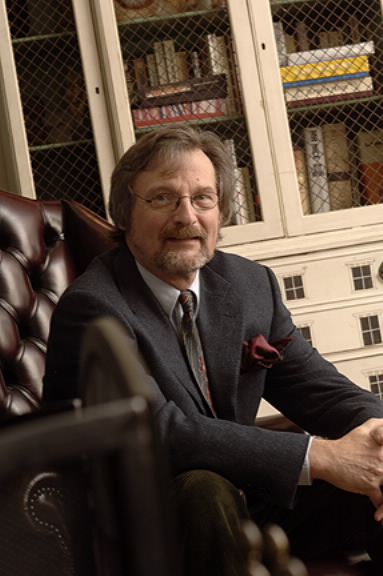
Historian Nigel Hamilton is a New York Times best-selling biographer of General Bernard “Monty” Montgomery, President John F. Kennedy, President Bill Clinton, and President Franklin Delano Roosevelt, among other subjects. He has won multiple awards, including the Whitbread Prize and the Templer Medal for Military History. The first volume of his FDR at War trilogy, The Mantle of Command, was longlisted for the National Book Award. He is a senior fellow at the McCormack Graduate School, University of Massachusetts Boston, and splits his time between Boston, Massachusetts, and New Orleans, Louisiana.
2 Comments
Gabriella Kelly-Davies has given a wonderful gift to biographers and the reading public in this interview of Nigel Hamilton–a master biographer and superb historian. Her questions and comments highlight Hamilton’s brilliance and her own incredible insight into the trials and tribulations of biography writing. Bravo!
thanks so much Charlotte. Chatting with Nigel felt like I was in a masterclass with him as the brilliant teacher.