





In this episode of Biographers in Conversation, author, journalist and lawyer, Dr Cynthia Banham, chats with Dr Gabriella Kelly-Davies about her choices while researching and crafting: Mother Shadow: A Meditation on Maternal Inheritance. A hybrid of biographical reimagining, lyrical memoir and transnational family history, Mother Shadow is poetic, with whimsical detours and meditative qualities.
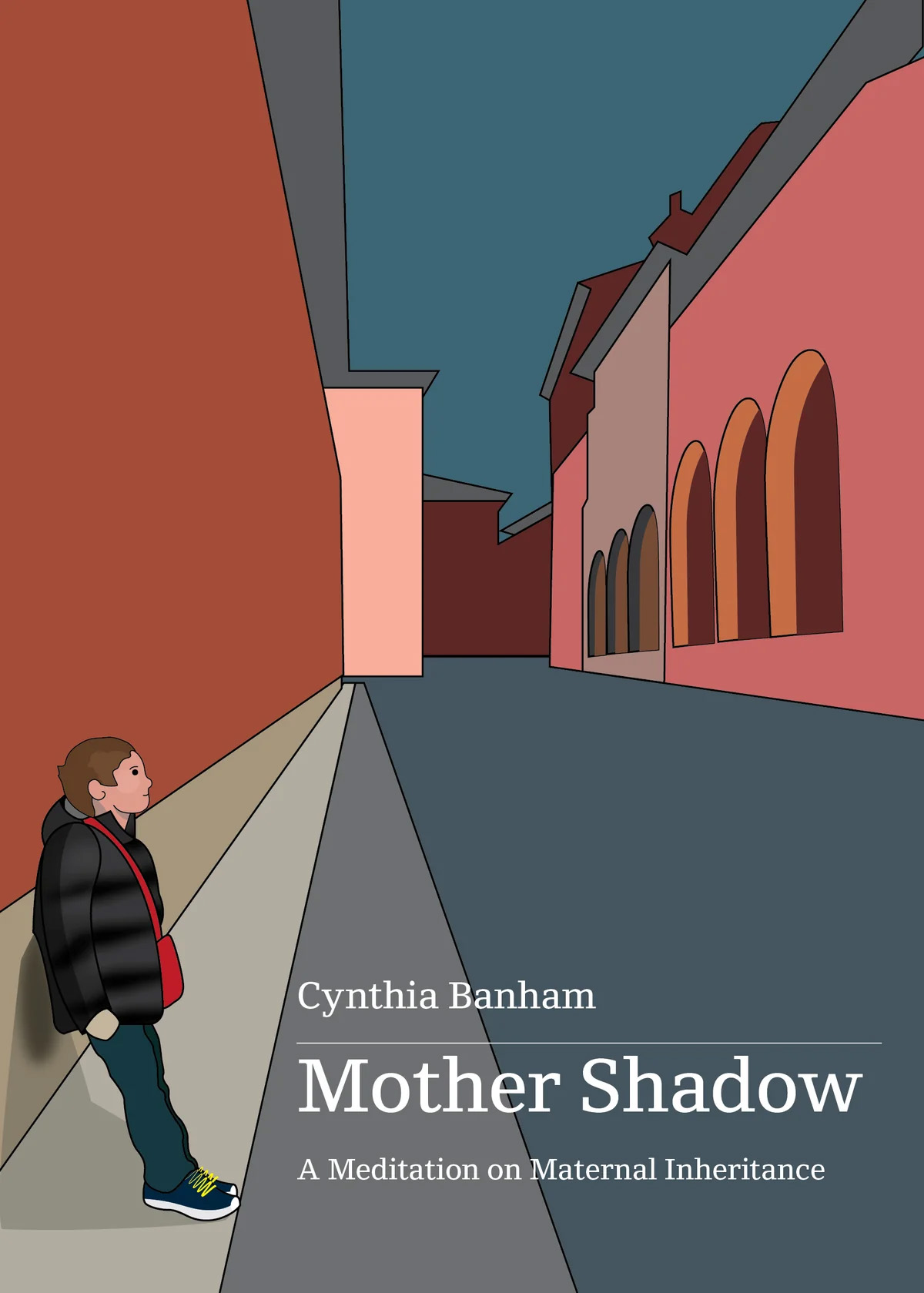
Mother Shadow
Mother Shadow blends present-day personal reflection on the challenges of mothering with a reconstruction of the life of Cynthia’s 19th-century Italian ancestor, an unmarried peasant woman who abandoned her daughter to a foundling home. Cynthia’s journey began with a torn document and a single Italian word: brefotrofio.
Neither Cynthia nor her mother, who is fluent in Italian, knew what brefotrofio meant. When Cynthia discovered its meaning, the family story she had always been told unravelled: her great-grandmother Natalina was not an orphan from Bologna. She was a foundling. Natalina’s mother had been alive and abandoned her. On the birth record, Natalina’s mother refused to be named. Che non consente di essere nominate: ‘Who does not consent to be named.’
I grew up believing my great-grandmother was an orphan. The truth, uncovered in an Italian archive, changed how I understand maternal love and what it means to be a ‘good mother’.
Cynthia Banham
That discovery, tucked inside a small packet of documents saved when Cynthia’s great-aunt moved into aged care, became the catalyst for Mother Shadow: A Meditation on Maternal Inheritance. A story nine years in the making, it blends biographical reimagining, lyric memoir and transnational family history. It is also a detective-like quest to uncover long-held secrets. Its central question, asked across centuries and continents, is deceptively simple: Why did a mother give up her daughter?
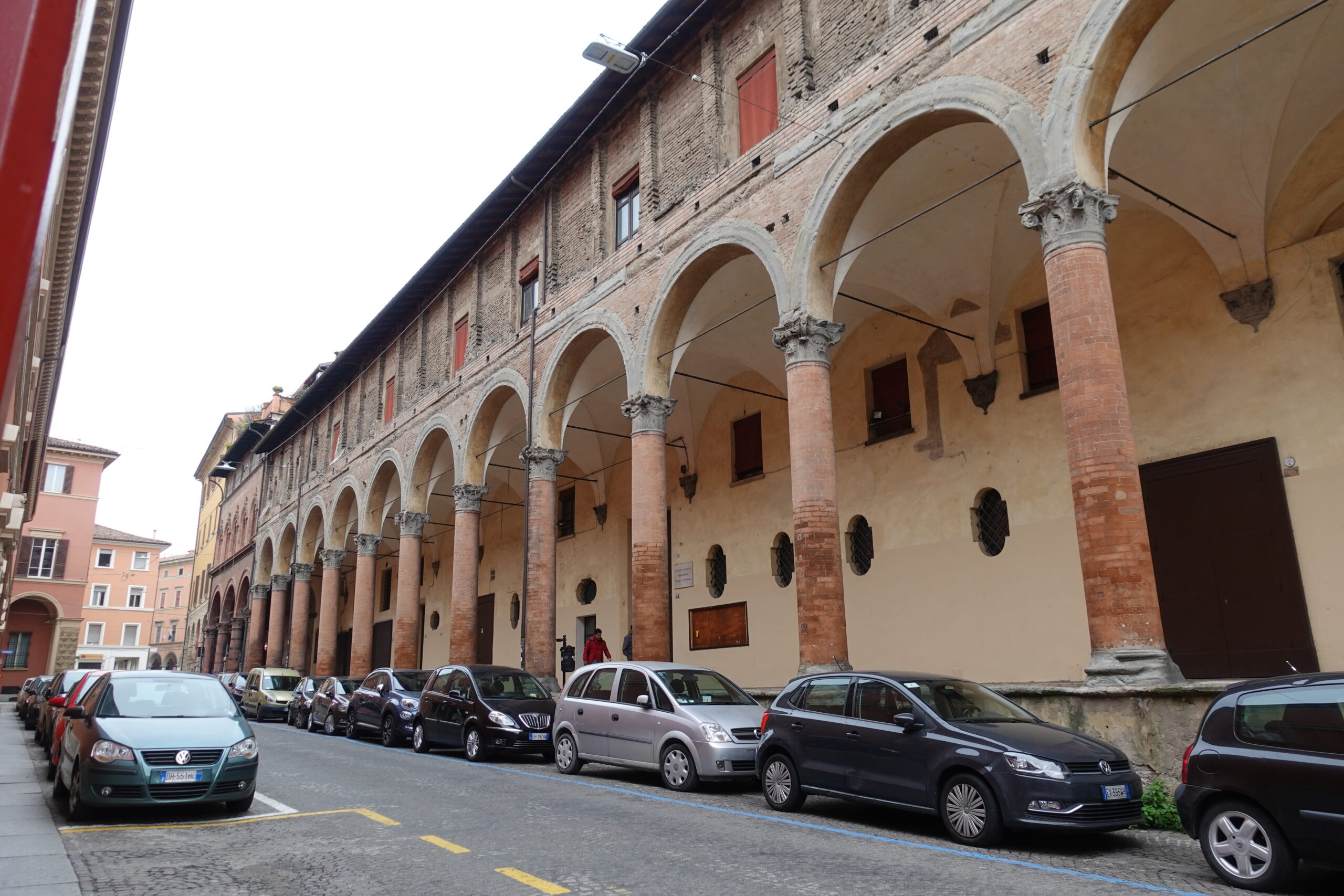
The famous porticoes of the Bologna foundling home.
Photo credit: Cynthia Banham.
The ferocity of Cynthia’s reaction to Natalina’s birth record, she eventually came to understand, was not only grief for a child abandoned in 1898. It was recognition. A thread connecting her own constrained mothering by a physical disability to a lineage of women including Natalina’s mother, Ersilia. Clearly, Ersilia knew she could not mother her daughter in the way she might have wished, not because of personal failing, but because of circumstances entirely beyond her control.
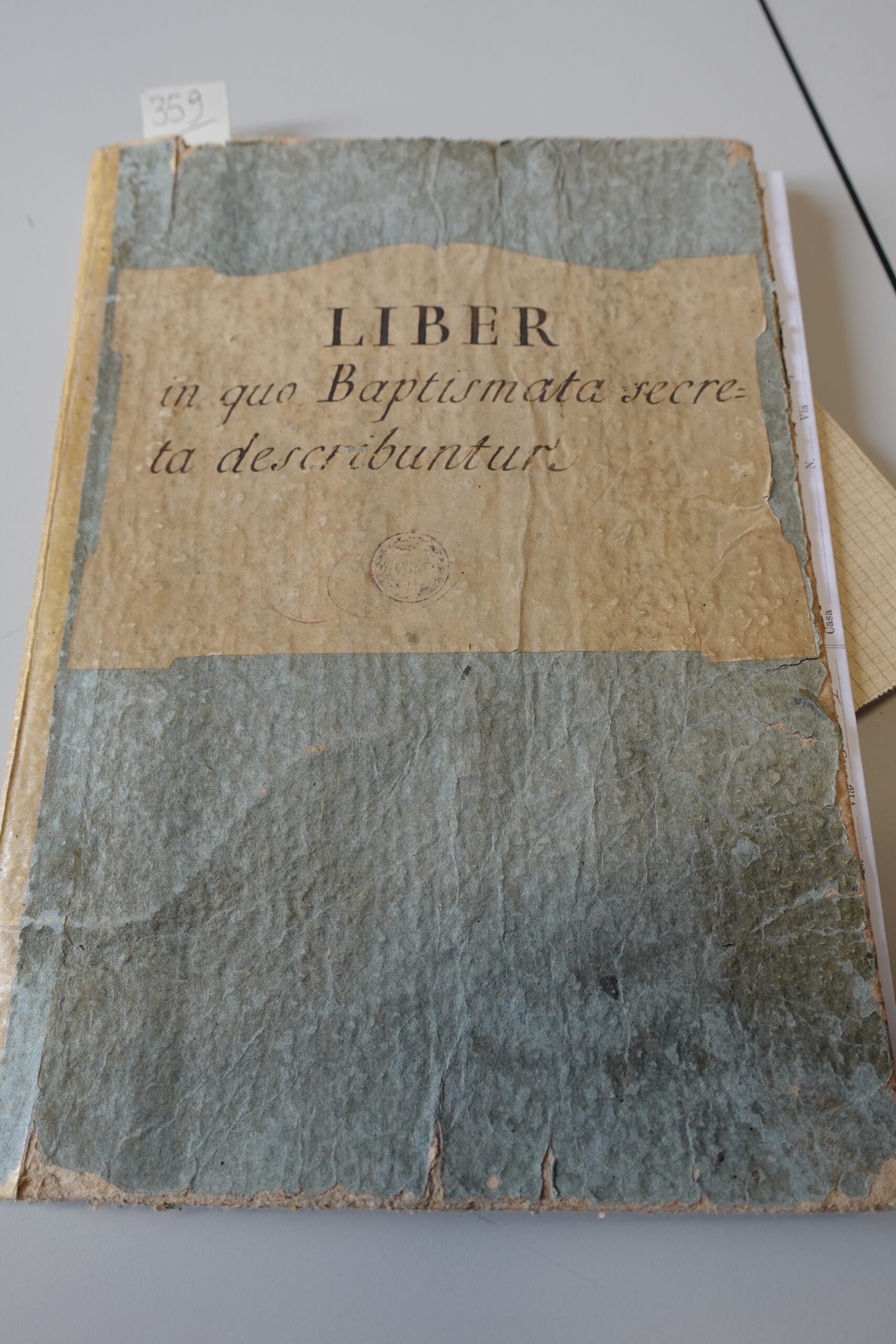
The Book of Secret Baptisms, where Cynthia found the name of Natalina’s mother: Ersilia.
Photo credit: Cynthia Banham.
Mother Shadow is underpinned by meticulous archival research into 19th-century Italian foundling records and the lives of poor, semi-literate mothers of illegitimate children. These sources enabled Cynthia to reconstruct the probable life and circumstances of her ancestor, a woman who left no direct testimony.
‘Start writing early, even if you have not finished the research
Foundlings in the 19th-century were the property of the state. Their records were kept with an institutional precision that most families rarely preserve. Cynthia and her Bologna-based researcher Milena tracked Natalina’s foundling file in the Bologna provincial archives: her wet nurses, foster family, childhood illnesses, a formal complaint of mistreatment at 14, and the letters she wrote to the foundling institution seeking permission to marry.
The most distressing discovery for Cynthia occurred when an archivist opened an old cupboard and revealed a wall of half-medallions, split tokens that mothers had hidden in their baby’s swaddling before surrendering them, keeping one half in hope of reunion. Many were marked with a cross because the babies had died before any reunion occurred.
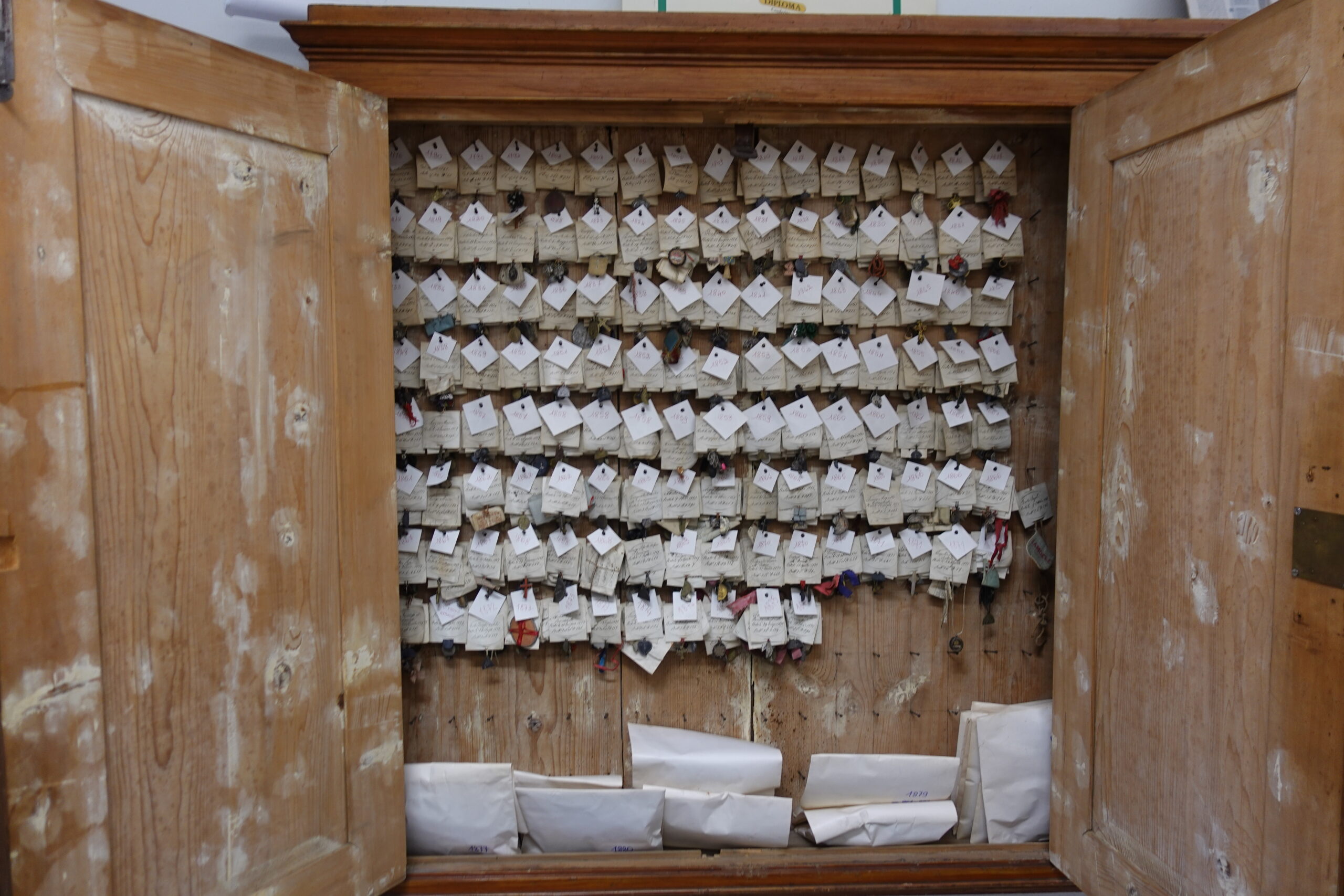
Wardrobe with the half medallions left by mothers relinquishing their children to the Bologna foundling home
Photo credit: Cynthia Banham.
‘I was hit by a wave of grief’, Cynthia recalls. ‘It’s the moment the story fully became what it needed to be: not a condemnation of a woman who would not be named, but a sustained act of compassion for Ersilia, Natalina and every mother hemmed in by poverty and shame and the implacable judgement of others.
Praise for Mother Shadow
‘What kind of mother abandons her child? In her tireless quest to understand her great-grandmother’s unfathomable act, Cynthia Banham unearths a story shaped by crushing limitations and agonising choices. Her rich and sensitive narrative wrestles with the complexities of motherhood and inheritance with immense courage, clarity and compassion.’
Nadine Davidoff
‘Stories about mothers and children are powerful. They are stories about love, about the gentleness (and cruelty) and resilience (and weakness) of human beings, and the enduring hope that connects generations. They come from core emotions, arising from our fragility, our instinct to protect each other and our longing for life to continue beyond ourselves. Mother Shadow is that kind of story. And Cynthia Banham has written it like a thriller. Her rich description of centuries-old Italian city streetscapes creates an atmosphere of mystery and suspense. The story draws you in and doesn’t let go as clues about her search for her Italian great-grandmother arrive at a steady pace. I was on edge to the very end in anticipation of what was going to happen next.’
Moreno Giovannoni
‘Extraordinary! Cynthia Banham writes with such precision and elegance. Mother Shadow is a detective thriller, a richly detailed memoir, a transnational family history and a moving account of maternal love, told with unrelenting self-scrutiny and grace. I couldn’t put it down!’
Roanna Gonsalves
‘Mother Shadow is a fierce and illuminating expedition into the wilderness of motherhood, especially the kind of motherhood that doesn’t fit neatly into the mainstream boxes. It is a memoir written as compellingly as a detective story, but also full of poetic, whimsical detours, such as encounters with Rilke and talking dead ancestors, or joyrides through Italy’s porticos. Above all, it is a tale of love – for the dead and the living. I was riveted and mesmerised by this book.’
Lee Kofman
‘A vividly told, meticulously researched exploration of inheritance, resilience and complicated, profound mother-love across generations. Mother Shadow is a deeply moving and sometimes startlingly insightful work and I know it will stay with me a very long time.’
Emily Maguire
‘Graceful and compelling in its execution, this is a memoir rich in human insight. Mother Shadow excavates the lives of some of the least valued of Italian women of the 1800s, women whom she is a descendent of: the poor and semi-literate mothers of illegitimate children. Compelled to learn more once she discovers that her own great-grandmother Natalina had been relinquished to a foundling home, Banham’s research narrative is emotionally and intellectually fierce. She deftly weaves in remarkable historical findings with her own experience as a mother with profound physical injuries and disability navigating the cobbled streets and porticos of Bologna. Banham’s history of historical mothering and foundling homes, and of her own contemporary mothering and disability are remarkable for what she discovers, and for what she reveals.’
Jane Messer
‘Mother Shadow begs the question: what does maternal agency truly look like? The fragmented form of the book creates a structural seamlessness between times, continents, and the question of what it is both to mother and be mothered. Banham’s meticulous and poetic attention to details real and imagined draw the reader into temporal scenes of nature, street and landscape, evoking a sense of timelessness across ages. Within it, the possibility of understanding, recognition and reconciliation between generations of women opens. These superbly written meditations are at times heartbreaking, always fascinating, and ultimately uplifting.’
Dani Netherclift
Mother Shadow Interviews and Podcasts
Memoirs on motherhood in all its light and shade
The Radio National Hour, ABC
Mother Shadow, l’intervista integrale all’autrice Cynthia Banham
‘The century of foundlings’—what Cynthia found when she went looking for maternal family secrets
Conversations, ABC
‘The trip to Italy wasn’t easy – but it uncovered my great-great-grandmother’s secret’.
Sydney Morning Herald
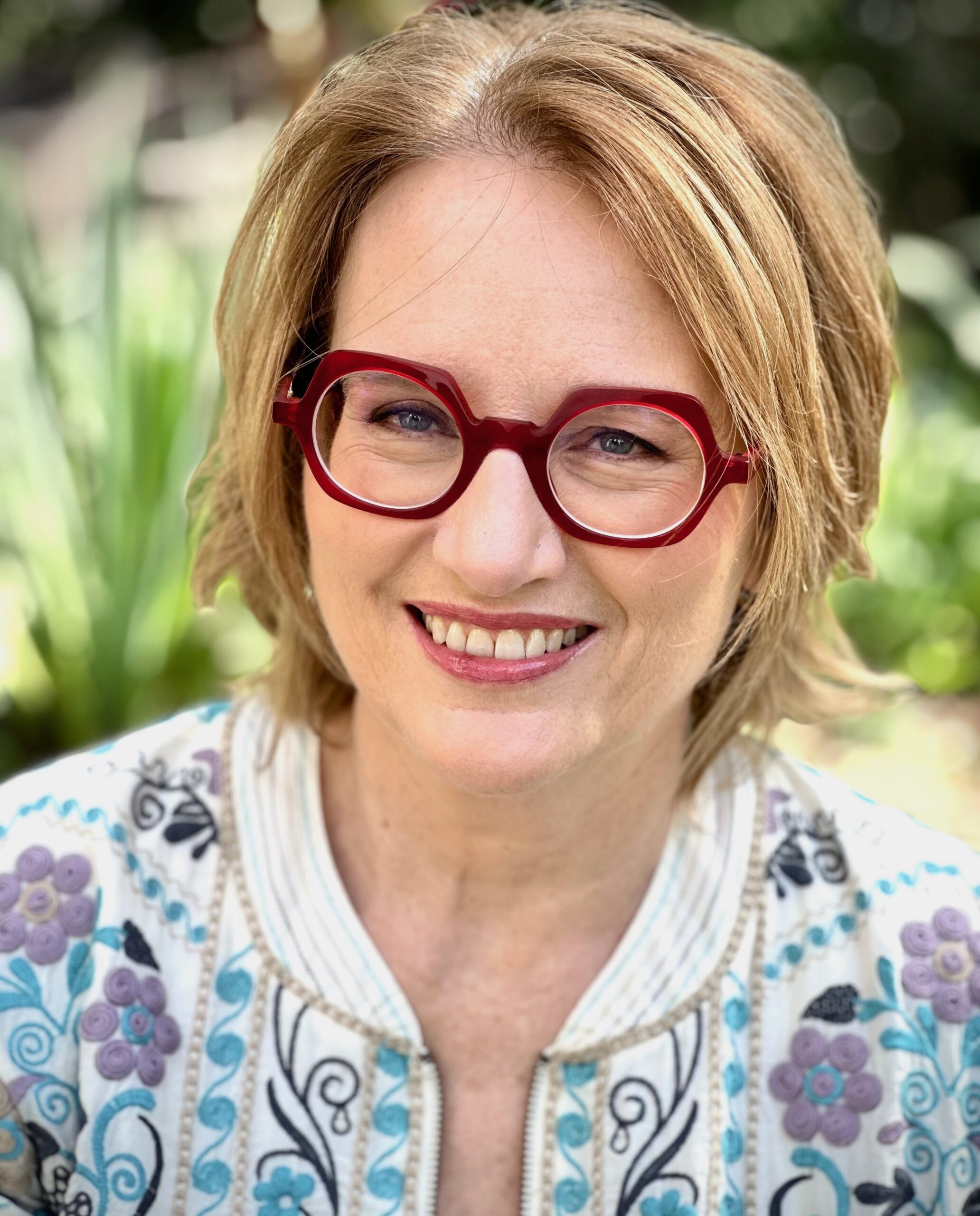
Cynthia Banham is a writer, journalist and lawyer. She is the author of three non-fiction books. Liberal Democracies and the Torture of their Citizens was based on her PhD. A Certain Light: A Memoir of Family, Loss and Hope, was shortlisted for the Prime Minister’s Literary Awards. Her most recent book is Mother Shadow: A Meditation on Maternal Inheritance, published by Upswell. Previously she spent a decade working as a journalist in the Federal Parliamentary Press Gallery in Canberra, where she was foreign affairs and defence correspondent. She is currently working on a historical novel.
To Learn More About Cynthia Banham You’ll Find Her Here: www.cynthiabanham.com.au