





In this episode of Biographers in Conversation, Dr Judith Mackrell, one of Britain’s most eminent biographers, chats with Dr Gabriella Kelly-Davies about her choices while crafting Artists, Siblings, Visionaries: The Lives and Loves of Gwen and Augustus John.
A riveting story of love, infidelity, betrayal and of two extraordinary siblings whose art and lives subverted society’s expectations.
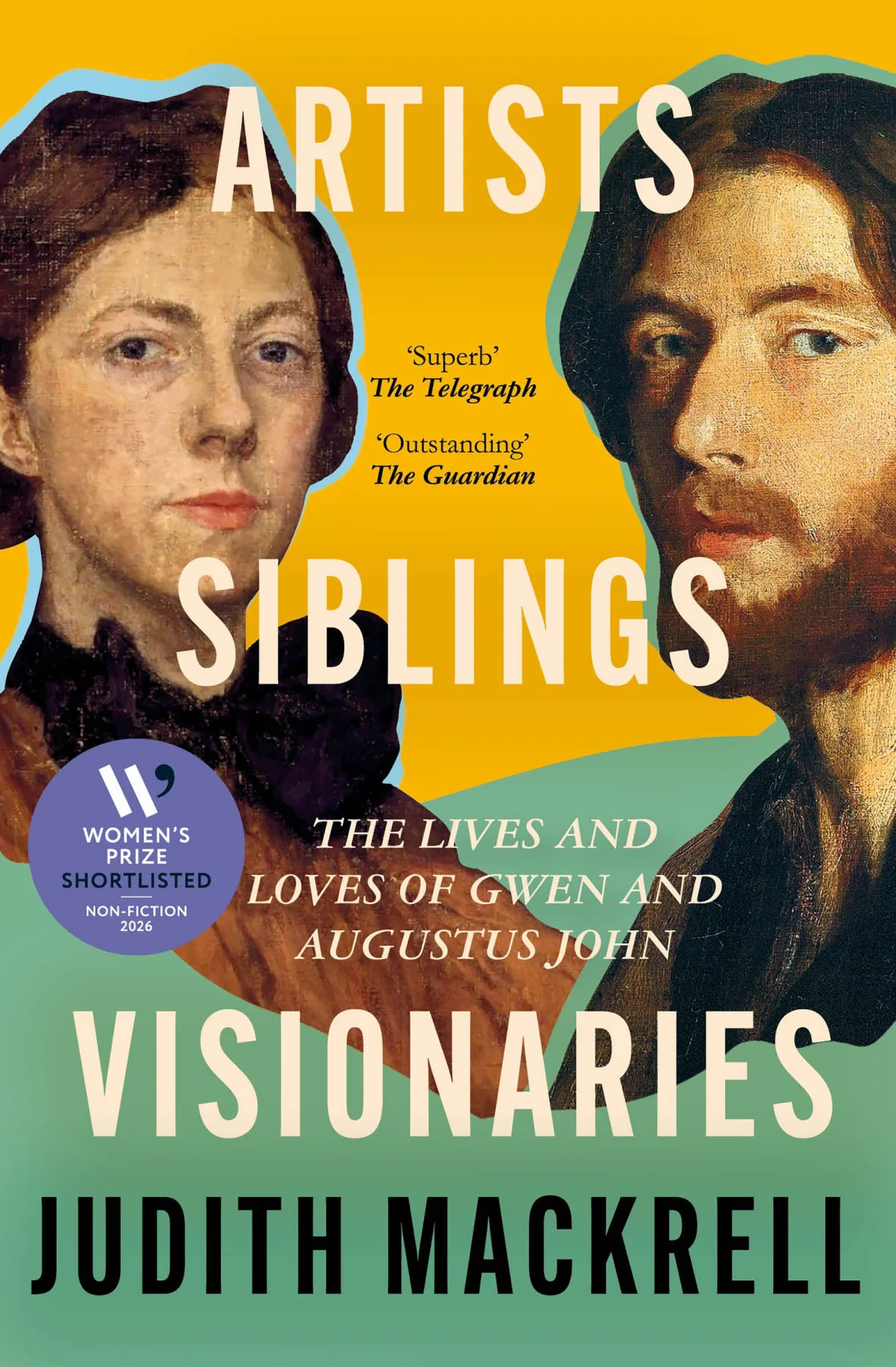
Shortlisted for 2026 Women’s Prize for Non-Fiction.
Artists, Siblings, Visionaries
Artists, Siblings, Visionaries is the first major dual biography of the siblings, Gwen and Augustus John. It weaves the artists’ lives into a deeply nuanced study of the early 20th-century art world. Compelling and innovative, it restores Gwen John’s visibility and voice by revealing her prodigious talent, which was obscured by the historical, social and cultural constraints of her era.
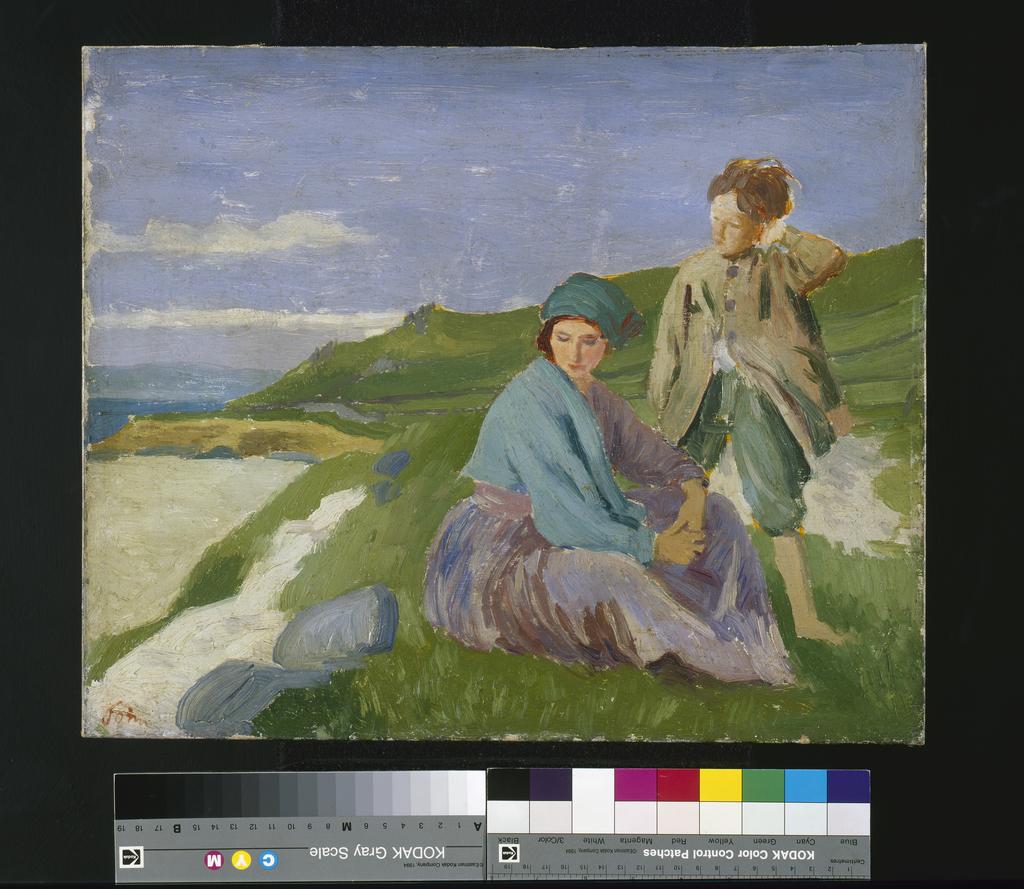
Throughout the years she spent writing this book, Judith Mackrell held an image in her mind of two children on a Welsh beach, pencils and scraps of paper in their pockets, creeping as close as they dared to watch visiting artists paint. That image, of Gwen and Augustus John on the sands of Tenby full of curiosity and latent genius, is where Artists, Siblings, Visionaries begins.
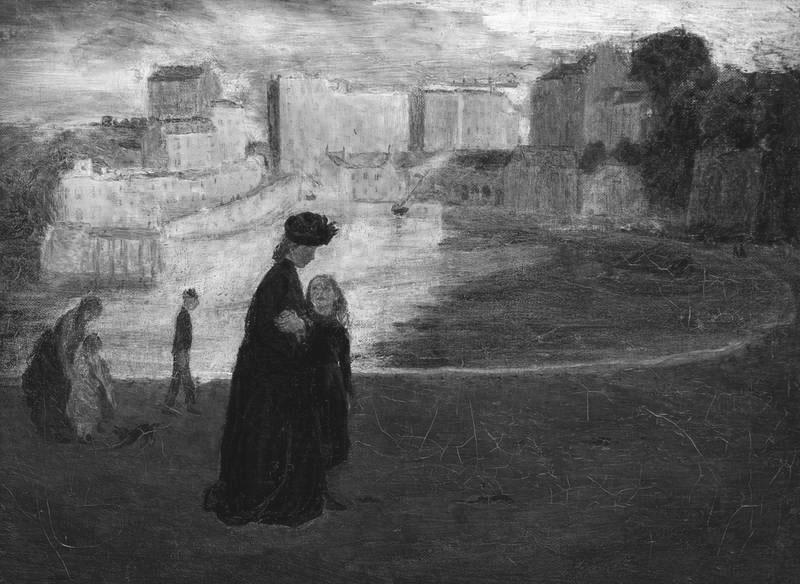
Gwen John, Landscape at Tenby with Figures, c. 1896–97,
Oil on Board, Tenby Museum and Art Gallery Collection.
Public domain, via Wikimedia Commons.
From that evocative opening scene, Judith portrays Gwen’s and Augustus’s journeys. It would have been remarkable for one of them to reach the pinnacle of the art world, but for both of them to ultimately achieve it was extraordinary. By choosing a dual structure, Judith could use both siblings as a ‘marvellous laboratory’, tracking year by year the social, cultural and economic forces that rapidly propelled Augustus to fame while Gwen remained largely unseen, illuminating the structural barriers facing women artists.
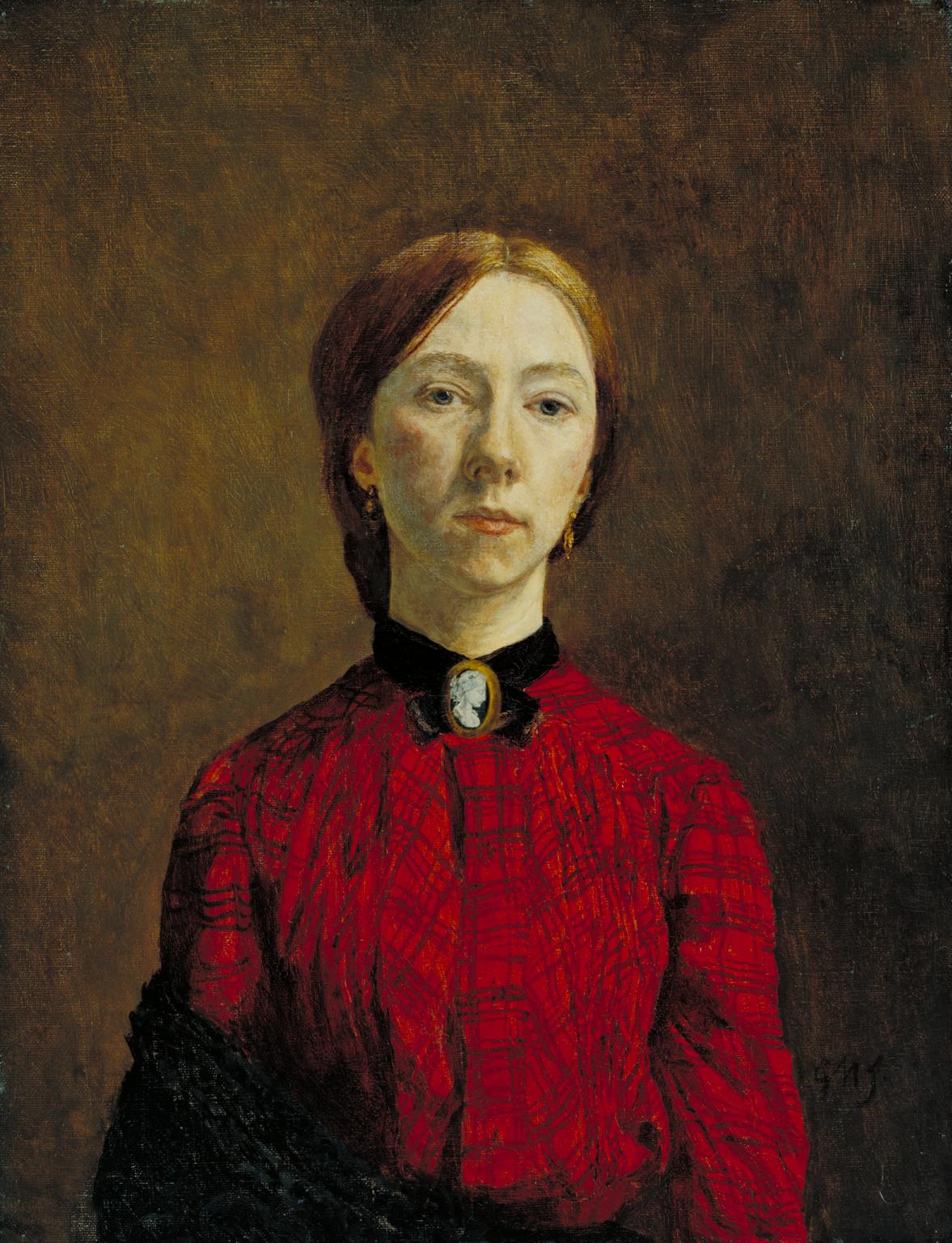
Gwen John, Self Portrait.
Tate Britain, online collection, Public Domain.
Artists, Siblings, Visionaries weaves the stories of the sibings’ lives into a nuanced, psychologically penetrating study of art, love, rivalry and the long shadow cast by the loss of their mother Augusta when Gwen was eight and Augustus was just six and a half. That loss, Judith believes, is the biographical key to understanding the siblings’ lives. It created in Augustus a compulsive need to fall in love, searching in one woman after another for unconditional love. In Gwen, it triggered a yearning so intense and so directed at unattainable figures such as the French sculptor François Auguste René Rodin, that it sometimes tipped into an obsession. ‘That aching gap’, Judith reveals, was the original clue to understanding Gwen and Augustus John.
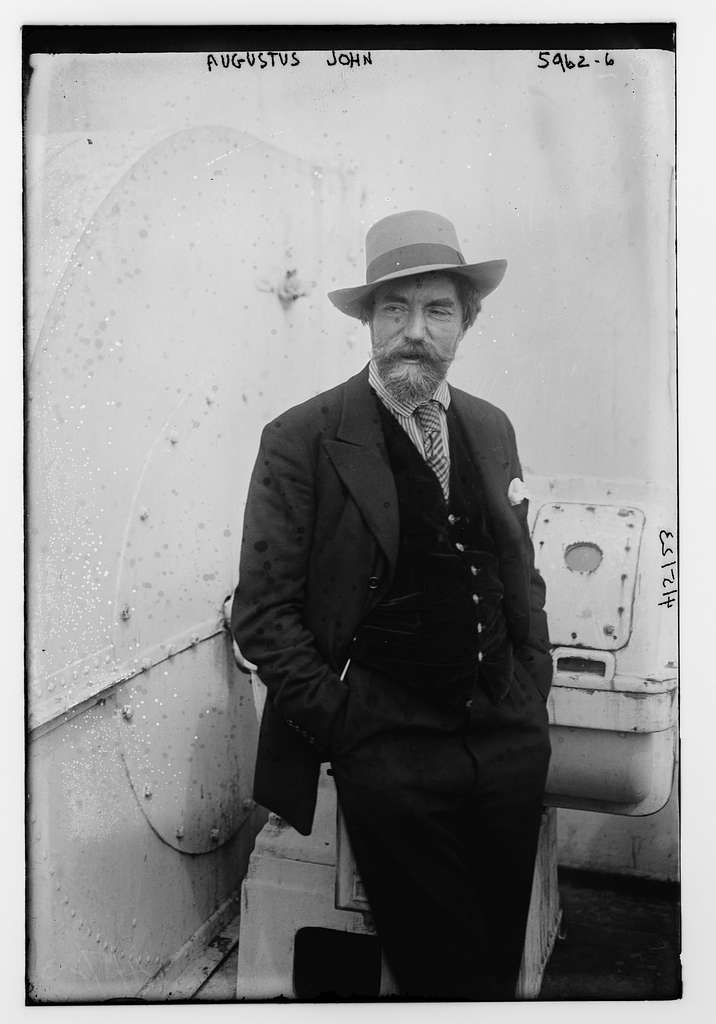
Augustus John.
George Grantham Bain Collection (Library of Congress).
Public domain, via Wikimedia Commons.
One of the biography’s most significant achievements is challenging the long-standing assumption that Augustus’s fame diminished that of Gwen. Judith shows that Augustus was his sister’s most loyal champion, doing more than anyone else to promote her paintings. Remarkably, in a moment of rare self-awareness, he prophesied that history would eventually remember him as Gwen’s brother. Judith takes that prophecy seriously without accepting it as the entire story. She is equally determined to resist the tendency to demonise Augustus and sanctify Gwen, insisting on portraying both subjects kaleidoscopically: brilliant, difficult, damaged and sometimes capable of real ruthlessness.
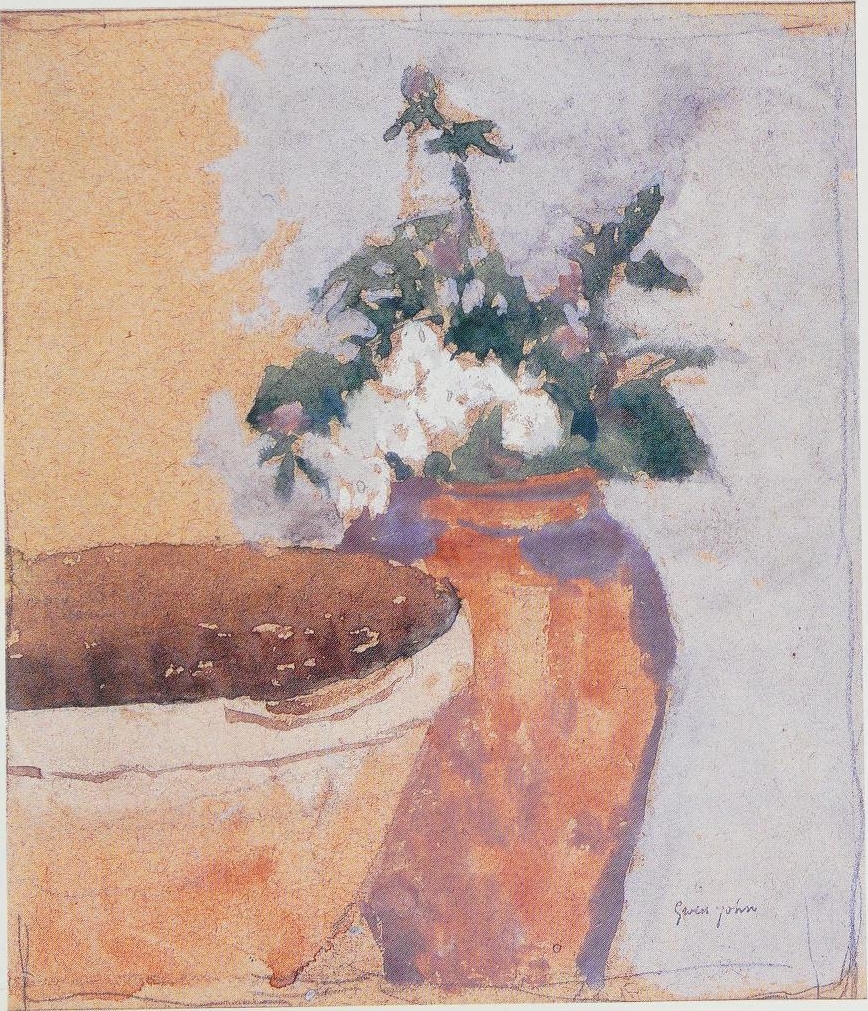
Gwen John, Public domain, via Wikimedia Commons.
The dual form turns out to be not merely a structural choice but a philosophical one. With two subjects commenting on and observing each other across the narrative, Judith as biographer can occasionally step back and let them do the work.
Biographers as Gardeners or Architects?
What makes Gwen particularly elusive and, Judith suggests, more challenging to write about than her brother, is that she presented different personas to various people. Her reclusive shyness, Judith came to see, was armour, a controlled performance that allowed her to manage the world on her own terms, a deliberate self-presentation that gave her control over who she engaged with, contradicted by her ferocious capacity for emotional pursuit and sustained creative work.
While her letters to Rodin were those of a pupil to a master, those to her friend Ursula were witty, dry and ironic. ‘You feel you’re eavesdropping’, Judith says, and that is precisely the experience of reading this biography. A meditation on what genius looks like when the world isn’t yet watching.
Augustus John.
‘David and Dorelia in Normandy’, 1908.
Fitzwilliam Museum, Cambridge, UK.
Praise for Artists, Siblings, Visionaries
‘Outstanding’
- The Guardian
‘Superb’
- The Telegraph
‘Lively’
– The Times
‘Judith Mackrell has done an incredible job in bringing to life the stories of these two great artists.’
Anthony D’Offay, gallerist and collector.
‘This dream of a book lures us back to that most fascinating world, that of Gwen and Augustus John.’
Louisa Young, Twelve Months and a Day.
‘A must read for anyone interested in family dynamics, this is a deeply moving and engrossing account of two siblings bursting with talent yet constantly buffeted by society's constraints. Mackrell’s strength is in her ability to be non-judgmental about either brother or sister but to look sympathetically at both, intertwining their professional struggles with the personal as love, loyalty and artistic endeavour all jostle for supremacy. I loved it.’
Anne Sebba, The Women’s Orchestra of Auschwitz.
‘A thoroughly researched and effortlessly written account of the extraordinary lives of Augustus and Gwen John, encompassing painting, of course, but also obsessive love, infidelity, betrayal, family, sibling rivalry and relationships, and how they both subverted society’s expectations. A fantastic read, the pages virtually turned themselves.’
Fanny Blake
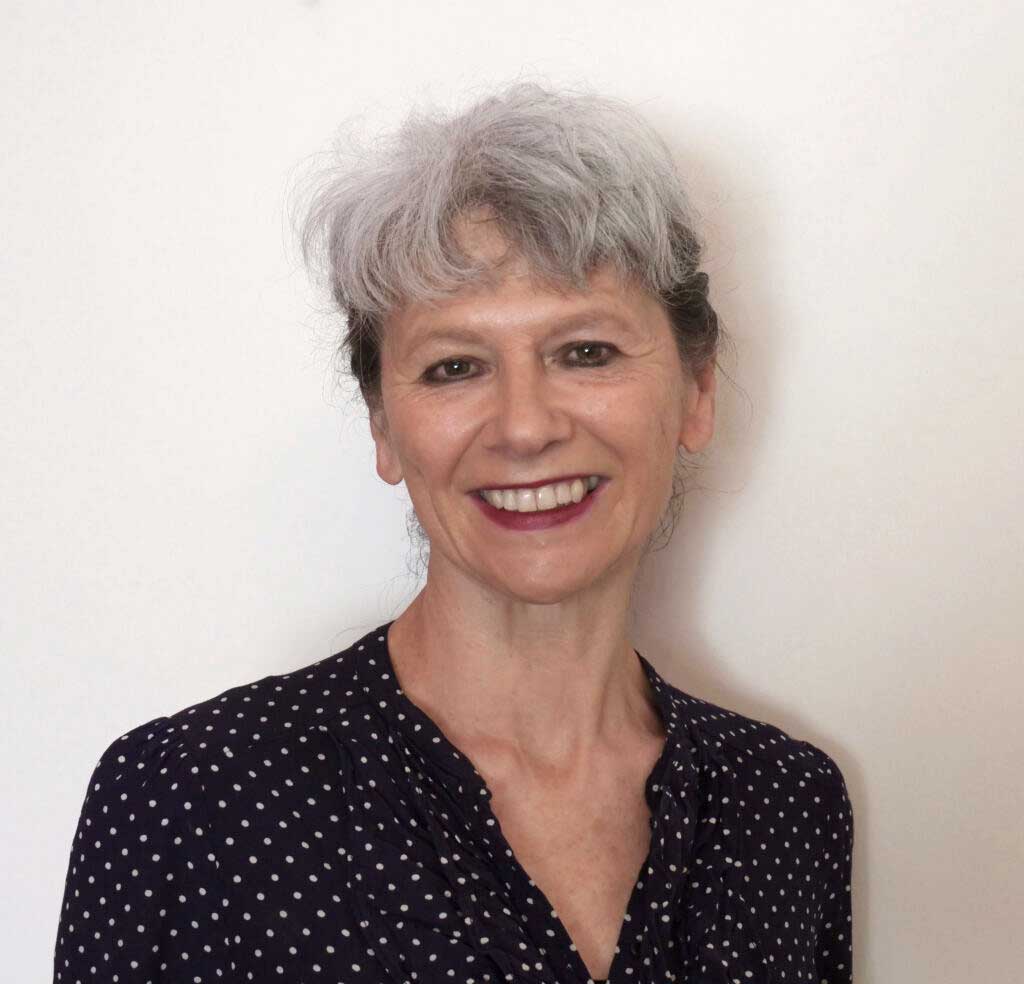
Photo Credit: Fred Henson
Judith Mackrell was educated at York University, (1973-6: English and Philosophy BA Hons) and studied for a D.Phil at Oxford University (1977-81) where she worked as a freelance tutor and lecturer for several years.
She began work as a full-time dance critic in 1986, writing first for the Independent and then, from 1995 -2019, for the Guardian. She was made an Honorary Fellow of Trinity-Laban in 1995 and was recipient of One Dance UK's inaugural, ‘Dance Writing Award’ in 2018. As a critic she broadcast regularly on British tv and radio, contributed to numerous publications, including Vogue and The Literary Review and wrote several books on dance, including Reading Dance published in 1997.
In 2008 Judith became known for her work as a biographer. Bloomsbuy Ballerina, her life of the Russian Ballerina Lydia Lopokova was published to critical acclaim and was shortlisted for the Costa Biography Award. Four more books of biography and social history have followed. Flappers: Six Women of a Dangerous Generation (2013) explores a decade of female emancipation through the lives of Diana Cooper, Nancy Cunard, Tamara de Lempicka, Tallulah Bankhead, Zelda Fizgerald and Josephine Baker. The Unfinished Palazzo: Life Love and Art in Venice (2017) tells the story of one of the Grand Canal’s most singular palazzos, and the three remarkable women - Luisa Casati, Doris Castlerosse and Peggy Guggenheim - who occupied it in turn. Going With the Boys - published in America as The Correspondents (2021) follows the careers of six formidable women journalists reporting from the front lines of WW2.
Artists Siblings Visionaries was published in 2025, and Judith is currently making a brief detour back into the world of dance by writing a history of The Nutcracker, for adults.