




In this episode of Biographers in Conversation, author, essayist and journalist, Erin Vincent, chats with me about her choices while crafting Fourteen Ways of Looking. Her narrative is at the forefront of one of the defining literary movements of our moment, the turn towards hybrid, genre-blurring life writing, offering exciting new possibilities for life writers.
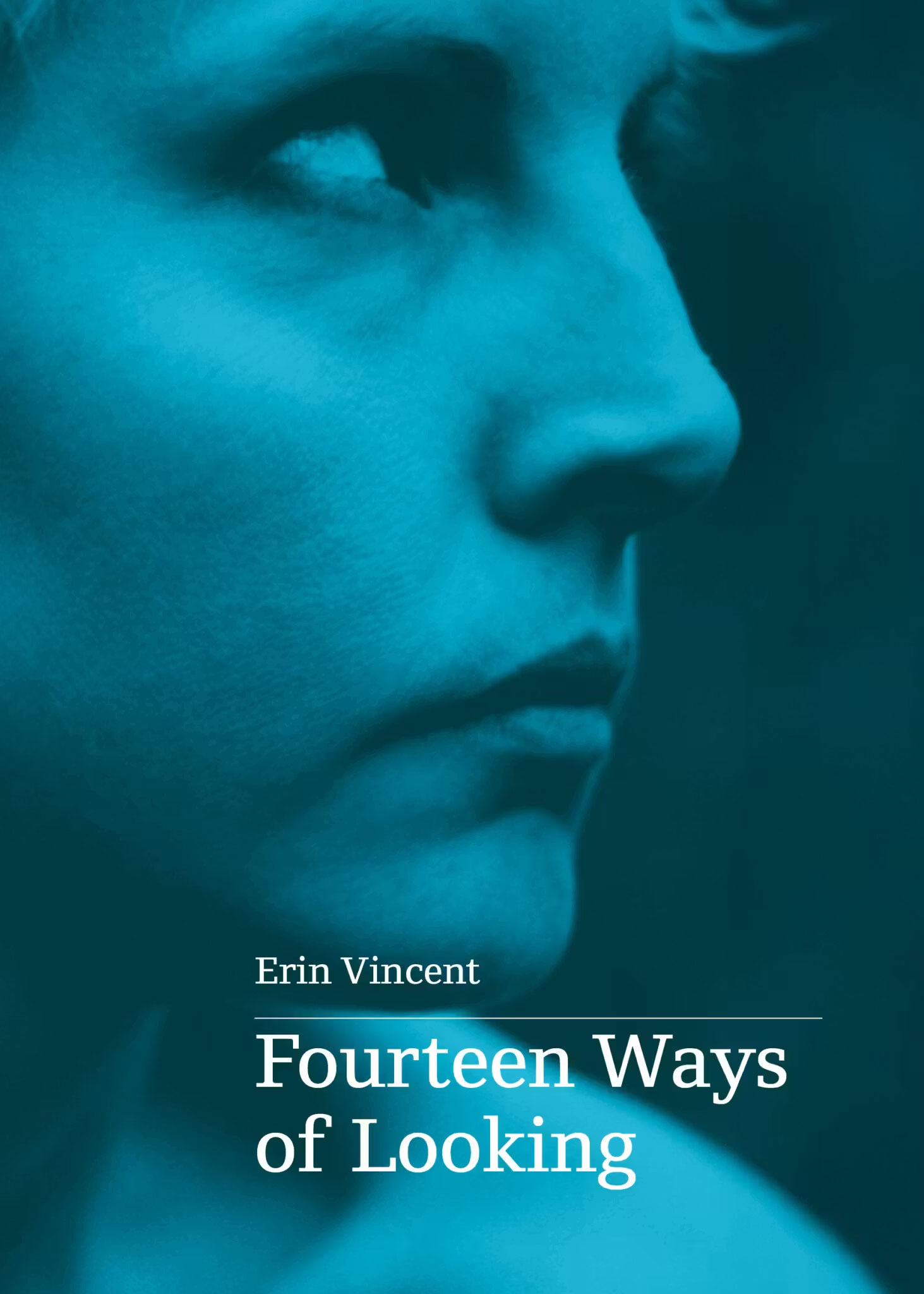
Australian Edition
Fourteen Ways of Looking
Erin Vincent’s debut memoir Grief Girl shares her story of losing both parents in a road accident when she was 14. Her new book, Fourteen Ways of Looking, returns to that same year and the same tragic loss, but through a different literary form. It is written in self-contained fragments dominated by the recurrence of the number 14. While some fragments are devoted to the occurrence of 14 in history and literature, others are Erin’s memories and reflections of her 14-year-old self.
A blend of memoir, prose poem and history, Fourteen Ways of Looking weaves the shards of memory, emotions, information and quotations into a profoundly moving kaleidoscopic narrative.
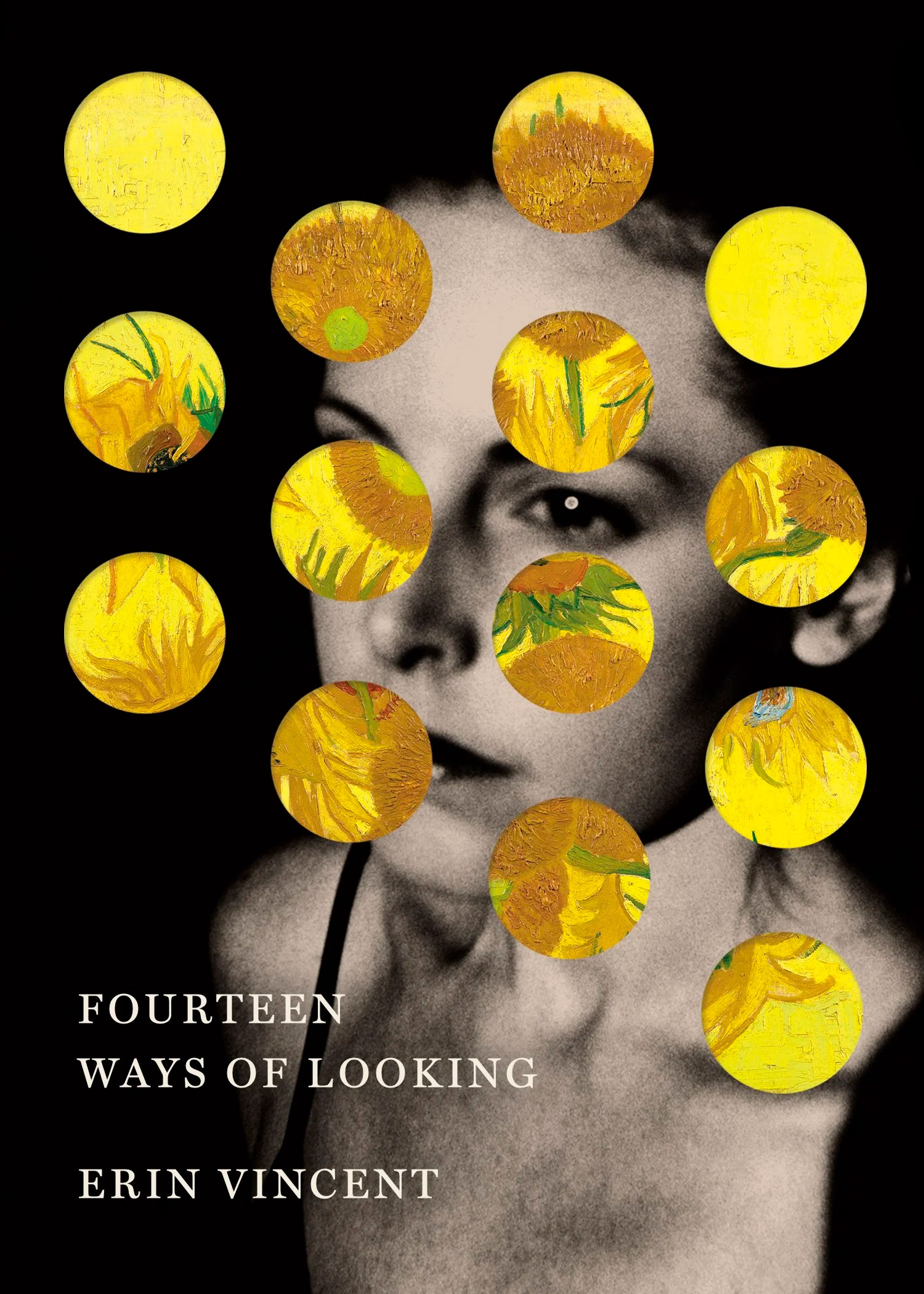
US Edition
Fourteen Ways of Looking was sparked by a kind of uncanny noticing. Erin started seeing the number 14 in books, news and films, so much so, she began jotting them down. That collection eventually morphed into a 2,000-word essay, and then, organically, into a book. Each fragment carries the number 14, and each speaks, subtly, sometimes cryptically, to the fragment above or below it. This structural challenge was formidable. Erin describes holding hundreds of shards in her mind simultaneously, knowing that adding or subtracting even one fragment would cause the entire delicate architecture to collapse. ‘It became a crazy jigsaw puzzle’, she says, a puzzle she largely held in her head, aided by notebooks and a highlighter pen.
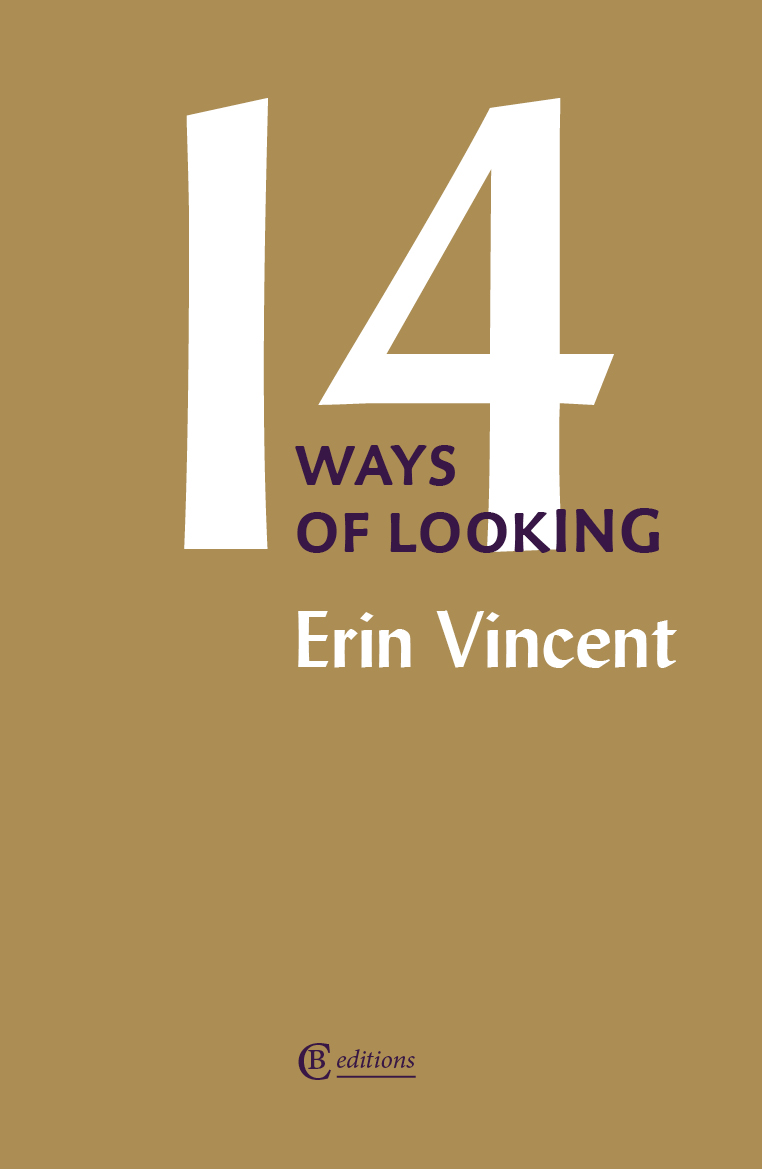
UK Edition
One way Fourteen Ways of Looking is so unique is its use of white space. Erin describes it as doing active, layered work: ‘There can be a scream in the white space’, she explains. ‘There can be comfort in the white space.’
One of the most distressing sequences places the fragment ‘I wonder what my mother thought at the moment of impact’ beside a clinical list of the 14 bones in the human face. The white space between them is the chasm the mind falls through. Erin doesn’t need to tell readers how to feel. The architecture of her book does it.
This is not accidental craft, it is also, Erin reveals, the form that her traumatised brain needed. For over a decade after Grief Girl, she tried and failed to write a second book in conventional linear prose. When she discovered fragmentary writing, something unlocked. ‘All of a sudden, the writing just felt alive’, she recalls, tracing that awakening to an understanding of how trauma itself is fragmented and non-linear. Fourteen Ways of Looking’s fragmentary narrative reflects the inexplicable tapestry of grief and the way it arrives uninvited. Experimental, Fourteen Ways of Looking is adventurous and intellectually rigorous, expanding what life writing can be.
Erin is now completing a PhD on fragmentary literature written by women in the 21st century. In it, she asks why this form appears to have particular resonance for women’s voices and for lives marked by rupture.
Praise for Fourteen Ways of Looking
‘Erin’s book is magnificent, simply one of the best books I’ve read in ages. I read it in a reverie of blissed-out, horrified amazement. It will be compared to Markson, but it’s better than Markson — more formally disciplined, more cold-blooded in its self-scrutiny. People will go gaga for this book. I can easily imagine it becoming a cultural touchstone like Max Porter’s Grief Is the Thing with Feathers or Maggie Nelson’s Bluets.’
– Sarah Manguso
‘Deeply affecting. Grief blows a life into shards, and Vincent assembles here the precious fragments. Fourteen Ways of Looking, is a deep dive into the moment after which nothing is the same— life as afterlife, and yet it’s what we have. Vincent’s effort is both psychological and literary: trying to wrangle meaning from an event that may have none, or may hold it all. And what then, of her autonomy to make her own life? In her efforts to free herself by going back to the source of trauma, she is both Odysseus and Euridice, damned and saved. A remarkable achievement.’
– Anna Funder
‘Fourteen Ways of Looking by Erin Vincent is an incredibly affecting work. Through a structure and project that holds the book to the tightest of attention, Vincent brings to this astute exploration of personal grief the world’s grief, the reader’s grief, the planet’s grief. All of time concertinas into these perfectly formed fragments that interrogate the number fourteen through the lens of how we are changed by the things of life that stop us in our tracks. However, I think the final message of Vincent’s magnificent work is the things we notice once we have been changed and the ways these act as markers to our inevitable tentative steps into the rest of life. This is an astounding work—resonant, intelligent and generous.’
– Pip Adam
‘Fourteen – for Erin Vincent – is the age at which her self was formed, and this text is itself an astonishing formal experiment. The number fourteen becomes uncanny and arbitrary – both divine symbol and violent accident - as she remembers her younger self and tries to find patterns in chaos. An incredible achievement: as unclassifiable, humane and haunting as Maggie Nelson's Bluets or Carmen Maria Machado's In the Dream House. I was moved to tears.’
– Clare Pollard
‘In Fourteen Ways of Looking, the repetition—no, insistence (to echo Gertrude Stein)—of looking for meaning in the number 14 reveals a mind processing grief kaleidoscopically and finding patterns in the coincidental. What at first might seem like obsession turns quickly into a sustained, free-wheeling, associative kind of thinking that is playful, poetic and, ultimately, emancipatory.’
– Toby Fitch
‘An extraordinary marriage of feeling and form, Fourteen Ways of Looking will take a place alongside strange classics like Joe Brainard’s I Remember and Sheila Heti’s Alphabetical Diaries.’
– Brian Morton
‘A haunting incantation of loss, written with bravery and brevity. The purity of Vincent's voice is unforgettable.’
– Mandy Sayer
‘The number 14 will haunt you for years as it has Erin Vincent.’
– Louis Nowra
‘Exhilarating... not a narrative of smooth redemption but a wrenching and true reckoning with the lifelong work of grief.’
Catriona Menzies-Pike, The Guardian
‘That Vincent has created from tragedy a work of such brevity and beauty is a testament to her exceptional talent and fierce intelligence. Fourteen Ways of Looking left me stunned, infected by numbers, compelled to return, again and again.’
– Jane Gleeson-White, Australian Book Review
‘As in the best narrative nonfiction, there is a liveliness this liveliness of thinking on the page. With white space and clean, cool prose, Vincent primes the reader to become an accomplice in the task of pattern identification and meaning making... Freighted with more than 40 years of thinking, writing, consuming art and enduring grief, Fourteen Ways of Looking is a brilliant and startling read.’
– Fiona Murphy, The Saturday Paper.
Reviews: Fourteen Ways of Looking
An exhilarating, dazzling reckoning with grief
by Catriona Menzies-Pike – The Guardian
Piecing Together in the Afterlife
by Rosalind Moran – Sydney Review of Books
Erin Vincent: Fourteen Ways of Looking by Fiona Murphy
These Australian memoirs are shimmering meditations on grief...
by Liz Evans – The Conversation
A fragmented inventory of being
by Joseph Schreiber – roughghosts
Again and again
by Jane Gleeson-White – Australian Book Review
Interviews: Fourteen Ways of Looking
Beyond The Zero podcast with Ben Lindner
Literati Glitterati with Mel Fulton
The Radio National Hour with Fran Kelly
Minor Literature(s) with Cristina Politano
Death Kit with Joe Coward
The Sydney Morning Herald with Jenny Valentish
Delving In with Stuart Kelter
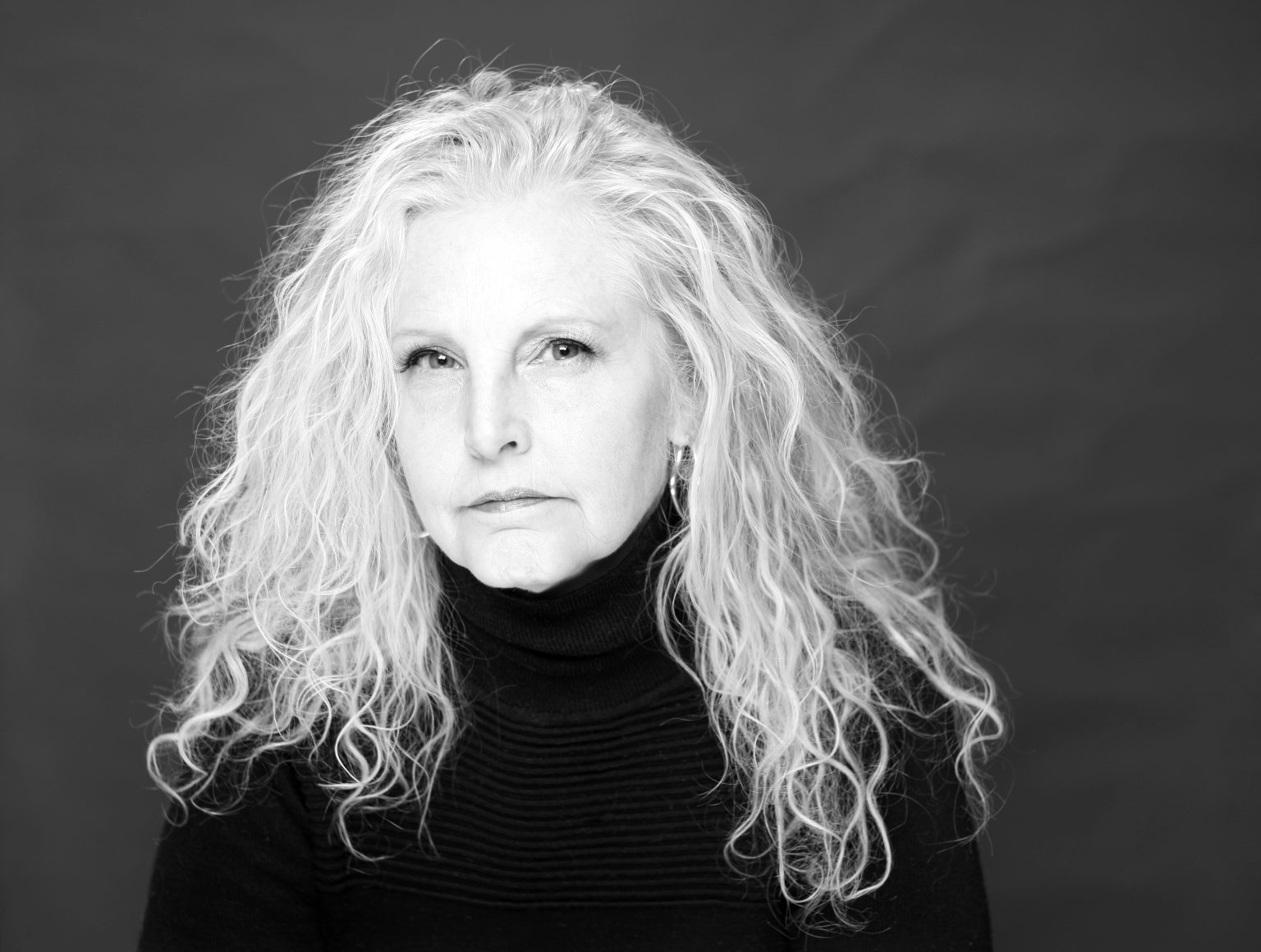
Photo by Adam Knott
Erin Vincent is the author of Fourteen Ways of Looking, which was published in Australia (Upswell), the UK (CB editions), the US (A Strange Object/Deep Vellum), and Canada (Strange Light/Penguin Random House), and was named one of Lit Hub's most anticipated books of 2026. Her first book Grief Girl, published in Australia (Pan Macmillan) and the US (Penguin Random House), was named a New York Public Library Best Book. Erin's work has also appeared in Meanjin, The Guardian, Electric Literature, Kill Your Darlings, Literary Hub, The Offing, and elsewhere. She holds an MA in creative writing from the University of Technology Sydney and is currently studying for a PhD in creative writing with a focus on fragmentary literature. She lives in the Blue Mountains with her lovely and talented husband, Adam Knott, and their lovely and talented cat, Little Eve.
To Learn More About Erin Vincent, You’ll Find Her Here: https://www.erinvincent.com/